| Data center roofs sit above equipment that can't be shut down, so the assembly needs a 60 to 80 mil heat-welded membrane (TPO, PVC, or KEE), a high-density cover board, staggered polyiso layers hitting climate zone R-value targets, and FM-rated uplift and fire ratings confirmed with your insurance carrier before design. Restoration coatings can add a decade of service life without a tear-off when moisture scans and core cuts show the deck and insulation are dry, and a documented inspection program protects both the warranty and the roof's full expected lifespan. |
A leak in a warehouse is an inconvenience. A leak above a server hall is a business event. It can trip breakers, corrode racks, and put your facility on the wrong side of a customer SLA. That's the pressure data center roofs carry every day, which is why the roofing assembly deserves the same scrutiny as your cooling plant or UPS. Yet roofs still get specified late, on price, by someone who's never walked a membrane past a 40-ton chiller.
This guide fixes that. We break down how the major membrane systems (TPO, PVC, KEE, EPDM, modified bitumen, metal, and fluid-applied coatings) hold up under rooftop equipment loads, constant foot traffic, and wind uplift requirements. You'll also get straight answers on data center insulation, cover boards, and vapor control that keep condensation out of the assembly. Then we walk through a seven-step process for specifying a roof you can defend in a budget meeting.
Why Data Center Roofs Carry More Risk Than Any Other Building Envelope
Every commercial roof protects assets. Very few sit directly above equipment that cannot be powered down, swapped out overnight, or wheeled aside while a crew makes repairs. That one condition reshapes how you evaluate membranes, details, attachment, and maintenance access. A warehouse roof buys you time. Data center roofs do not.
The Real Cost of a Leak Above a Server Hall
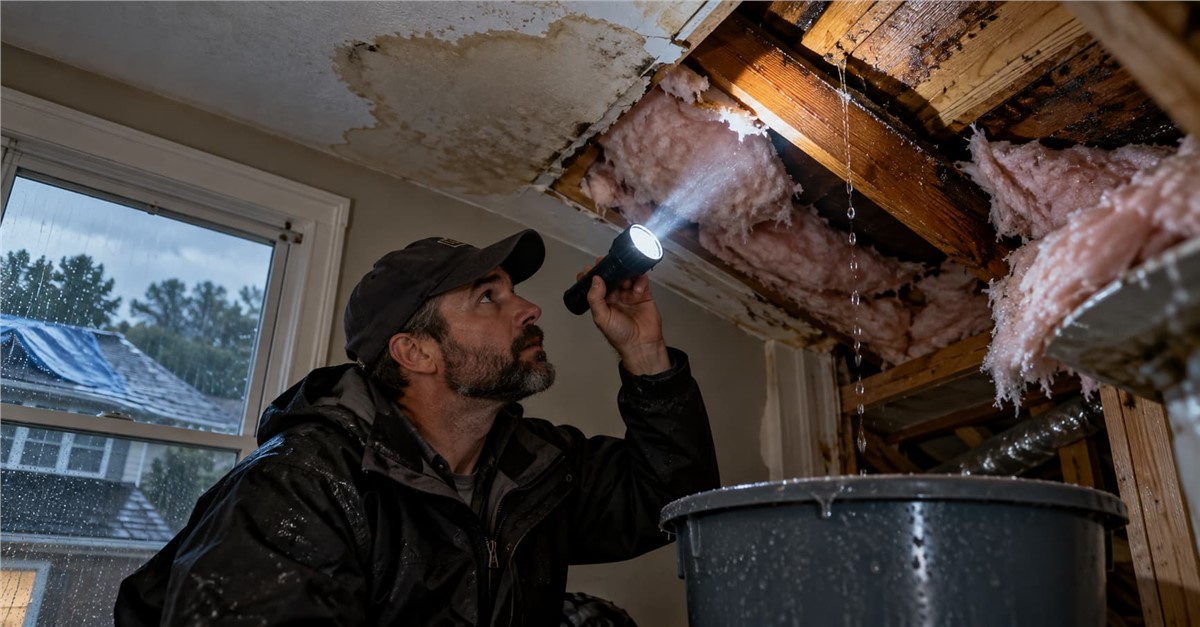
Water almost never lands where it enters. It runs along deck flutes, follows conduit, and finally drips into a cabinet three bays away from the actual breach. When a facilities tech finally spots a ceiling stain, moisture has usually wicked deep into the data center insulation and started quiet corrosion on fasteners, seams, and deck steel. Then the operational costs stack up: emergency shutdowns, containment tarps, insurance claims, SLA credits, and a customer conversation nobody wants to have. Measured against that, the price gap between a builder-grade membrane and a properly specified assembly reads like a rounding error.
Wet insulation is the part owners underestimate most. Saturated polyiso loses R-value permanently, so even after the leak is patched, you are paying higher cooling loads for the remaining life of the roof. It also holds water against the deck long after the sky clears, which is how a single missed detail turns into a full tear-off five years early.
Thermal Loads, Rooftop Equipment, and Constant Foot Traffic
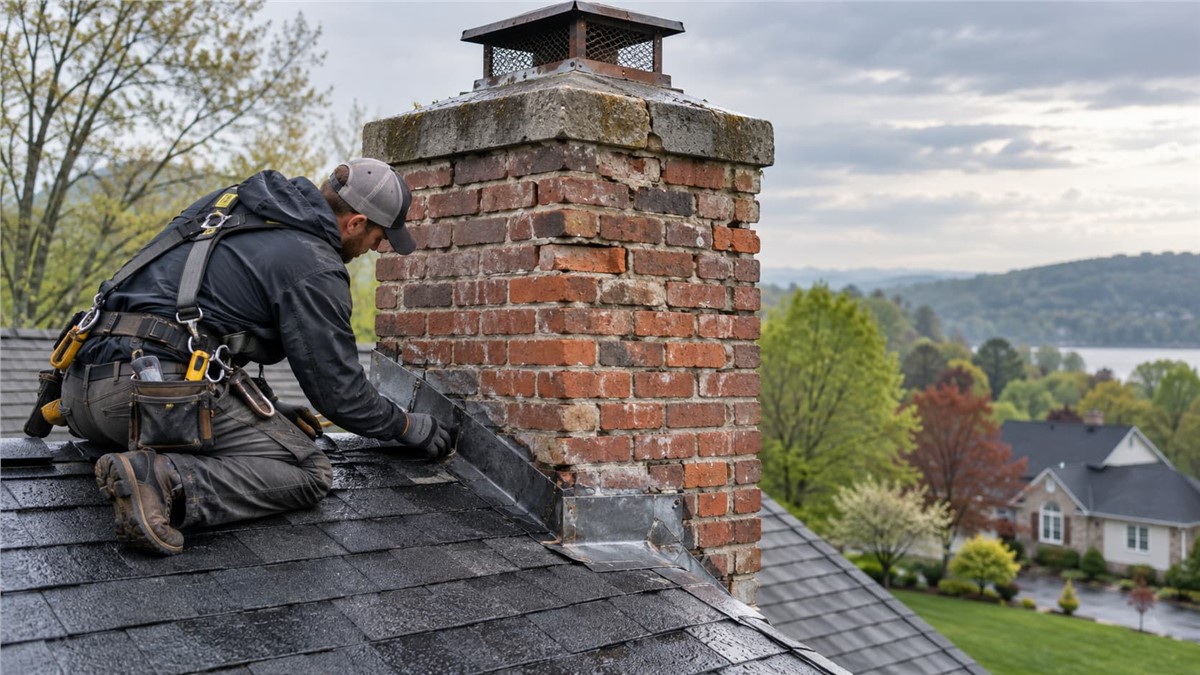
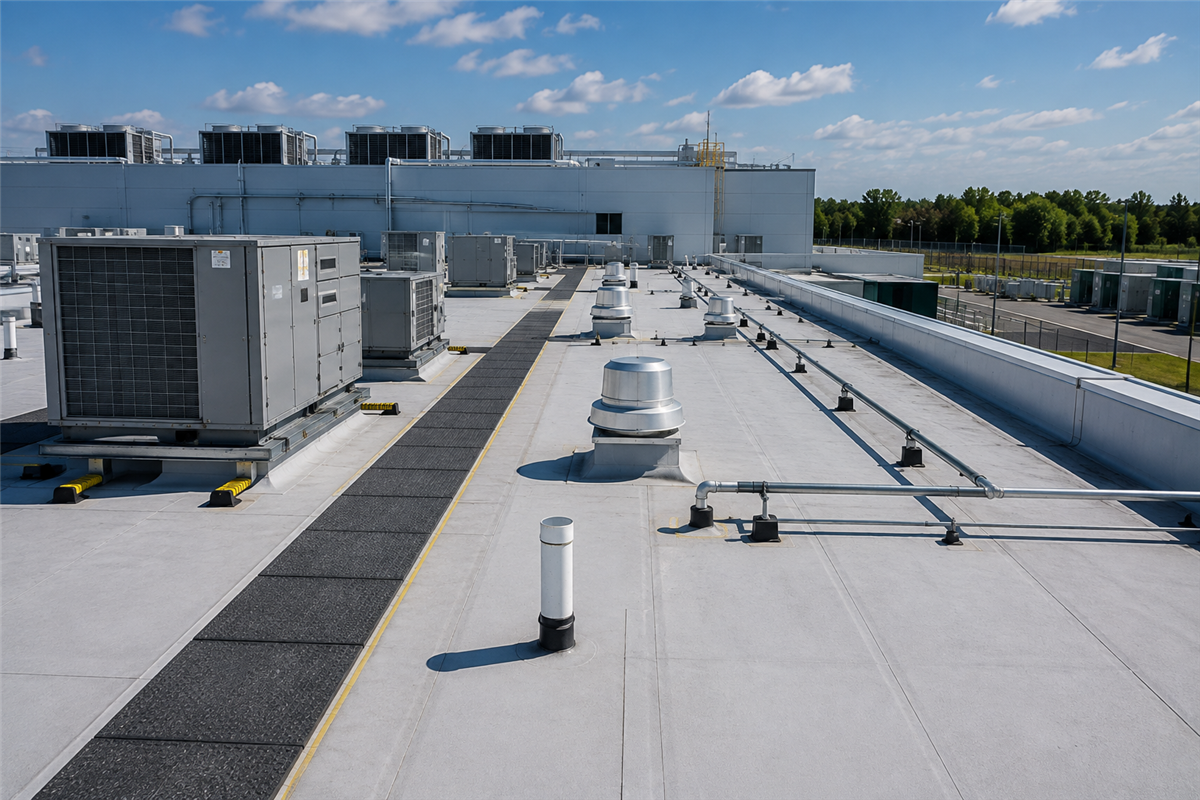
Data center roofs work harder than most. Condensers, dry coolers, and generator exhaust drive surface temperatures up and create thermal cycling that fatigues seams, laps, and flashings faster than the manufacturer's brochure suggests. Then there is traffic. Mechanical crews walk the same routes weekly, dragging tools, dropping fittings, and staging filters, which is exactly why walkway pads and a hail-rated cover board stop being optional line items.
These are the details worth locking down before the drawings go out for bid:
- Cover board over the insulation: a high-density board protects the membrane from dropped tools and hail while improving fire and uplift performance.
- Defined walkway routes: pads running from roof hatch to every unit keep traffic off unprotected field membrane.
- Curb heights and flashing: eight inches minimum above the finished roof surface gives crews room to flash and reflash without rebuilding the curb.
- Condensate and refrigerant line supports: pipe stands on pads, never pipes lying directly on the membrane.
- Tapered design that actually drains: standing water around equipment is the fastest route to seam failure.
JLL's 2026 Global Data Center Outlook projects sector capacity nearly doubling from 103 GW to 200 GW by 2030, with AI training facilities demanding 10x the power density of traditional builds (Source).
More density means more rooftop mechanical equipment, more penetrations, more curbs to flash correctly, and more weight bearing on the deck. Every one of those penetrations is a future leak if the detail is rushed, so the roof design needs to anticipate the mechanical layout instead of reacting to it after the units land.
Code, Wind Uplift, and Fire Requirements to Know Before You Spec
Mission-critical facilities frequently fall into a higher risk category under ASCE 7, which raises design wind pressures and, with them, your entire attachment schedule. Insurers usually push further, requiring FM Approvals-rated assemblies (1-90 uplift and above is common) along with hail ratings and Class A fire ratings. Perimeter and corner zones carry the heaviest fastening patterns, and those zones grow as building height increases.
Get the insurance carrier's requirements in writing during design, not during submittals. Discovering an FM condition after the tear-off has already started is an expensive way to learn it, and it usually means re-ordering fasteners, revising the data center insulation layup, and eating the schedule delay. NV Roofing recommends putting the carrier, the design team, and the roofing contractor in the same conversation early, so the approved assembly on paper matches the one your crews install.
Comparing Roofing Systems for Data Centers
Every membrane on the market keeps water out on day one. The real question is which one still performs after eight years of chiller service techs, condensate drips, hail, and 100-degree summer decks. Here's how the main systems behave on a mission-critical building, with the trade-offs stated plainly rather than the way a manufacturer's rep might frame them.
TPO Single-Ply Membranes
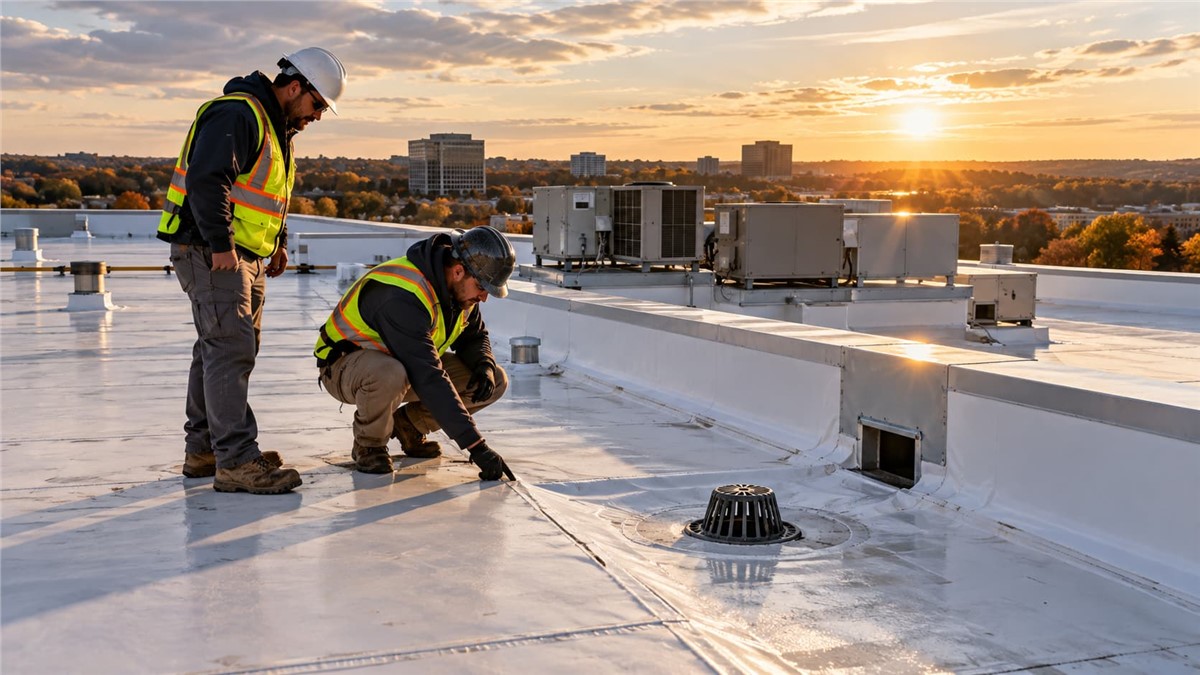
Thermoplastic polyolefin is the default on most new commercial decks, and for good reason. It's heat-welded, so seams are fused rather than glued, and a properly welded lap is typically stronger than the sheet itself. White TPO also carries high solar reflectance, which helps on a building already fighting a heat load from the inside out.
Where it gets interesting for data center roofs is thickness. A 45-mil sheet is a budget spec. On a roof carrying condensers, generator exhaust, and weekly maintenance walks, we spec 60-mil or 80-mil, and we run walkway pads to every piece of equipment, not just the primary path. TPO's historic weak point was seam durability in early formulations. The resins have improved substantially, but installer skill still decides the outcome. Ask who is holding the welder and whether their welds get probe-tested daily.
PVC and KEE Membranes
Polyvinyl chloride handles chemical exposure better than TPO, which matters when you have generator exhaust, diesel spillage near day tanks, or grease from kitchen exhaust on a mixed-use campus. It welds the same way and holds up well to ponding at low-slope areas around drains.
KEE (ketone ethylene ester) membranes take that further, replacing the migrating plasticizers in traditional PVC with a solid polymer, so the sheet stays flexible longer instead of shrinking and getting brittle. Manufacturers like Sika Sarnafil and Carlisle SynTec both build systems in this family. You pay more per square foot. On a facility where a tear-off means crane work over live equipment, that premium usually pencils out.
EPDM Rubber Roofing
EPDM has the longest field track record of any single-ply, and black EPDM shrugs off UV and ozone for decades. Cold-weather flexibility is excellent. The catch is seams: they're adhesive-based rather than welded, so long-term performance leans on tape quality and surface prep. It's also dark, which works against you if your cooling strategy depends on a cool roof.
We still recommend EPDM on certain buildings, particularly in northern climates or on roofs where thermal movement is significant. For a data hall in the DMV region, white reflective systems usually win on energy performance.
Modified Bitumen and Built-Up Systems
Two-ply modified bitumen is the tank of the flat roof world. Redundancy is the selling point: if the cap sheet gets gouged by a dropped tool, there's still a base ply underneath doing waterproofing work. That redundancy is genuinely valuable above a server hall.
The trade-offs are weight, installation logistics, and heat. Torch-applied systems introduce open flame on a live building, which most facility teams reject outright. Cold-applied and self-adhered versions solve that. Built-up roofing (multiple plies in asphalt) is heavier still and slower to install, which usually rules it out on retrofits where the structure was designed for a single-ply assembly.
Standing Seam Metal Roofing
Standing seam belongs on sloped structures: generator enclosures, admin wings, entry canopies, or the sloped portions of a hybrid campus. Concealed clips let panels move with temperature swings, and there are no exposed fasteners to back out over time. Service life routinely runs 40 years or more with a quality coating.
What it doesn't do well is accommodate dozens of rooftop penetrations. Every curb, pipe, and duct through a metal panel is a detail that has to be engineered. If your equipment plan is dense, keep the mechanical loads on a low-slope membrane and let metal handle the architectural areas.
Roof System Comparison for Mission-Critical Facilities
The table below puts the five main assemblies side by side on the factors that actually drive a decision on a live facility: how long the system lasts, how it handles foot traffic, what it does for your cooling load, and where each one earns its place.
| System | Typical Service Life | Traffic & Puncture Resistance | Reflectivity | Best Fit |
| TPO (60-80 mil) | 20-30 years | Good with pads | High (white) | New low-slope builds on a budget |
| PVC / KEE | 25-35 years | Very good | High (white) | Chemical or exhaust exposure |
| EPDM | 25-30 years | Moderate | Low (black) | Cold climates, high thermal movement |
| Modified Bitumen | 20-30 years | Excellent (redundant plies) | Varies by cap sheet | High-traffic decks needing redundancy |
| Standing Seam Metal | 40+ years | Excellent | Depends on coating | Sloped areas, few penetrations |
| Fluid-Applied Coating | 10-20 years (renewable) | Depends on substrate | High (white silicone/acrylic) | Restoring a sound existing roof |
One thing the table can't show: the membrane is only half the assembly. Data center insulation choice, board thickness, and how the layers are staggered and fastened drive both energy performance and how the roof handles thermal movement. A premium membrane over compressed, saturated insulation still fails early.
Fluid-Applied Coatings and Restoration Systems
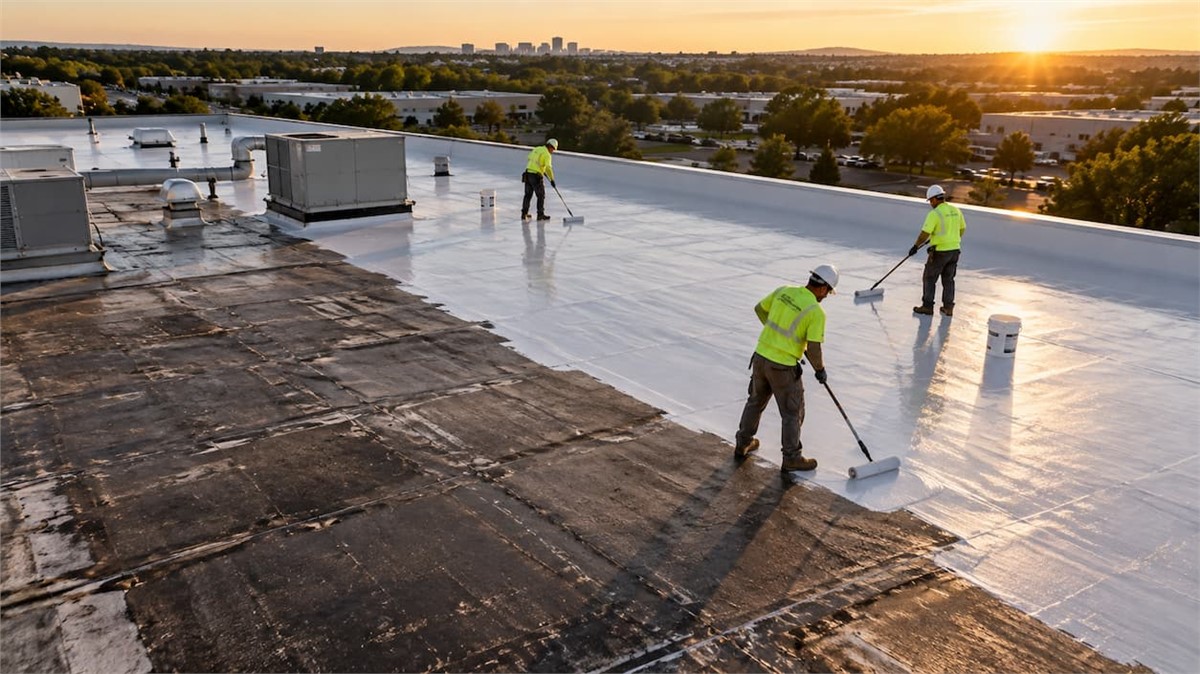
Coatings get dismissed as a stopgap. Used correctly, they're the least disruptive option available to a facility that cannot tolerate a tear-off. Silicone handles ponding water, acrylics cost less and breathe better, and polyurethanes take foot traffic best. A restoration typically includes seam reinforcement, detail work at penetrations, and then two coats over the field.
The prerequisite is a dry assembly. Coat over wet data center insulation and you've sealed the moisture in, where it will degrade R-value and eventually delaminate the coating. That's why an infrared or nuclear moisture scan comes before any restoration proposal we write.
| A coating buys you a decade without a crane, a permit shutdown, or a single hour of exposed deck above your racks. That schedule advantage is often worth more than the material savings. |
Vegetative and Solar-Ready Assemblies
Green roofs and rooftop arrays both add weight, penetrations (or ballast), and a second party walking your membrane. Neither is off the table, but both need to be designed into the assembly rather than bolted on afterward. Wind uplift is the governing concern. According to Living Architecture Monitor, uplift has historically limited green roof adoption in high-wind regions, though tested systems have now earned acceptance for hurricane zones, including a Category 5 rated installation at the University of Miami.
For solar, use a membrane with a proven warranty for array attachment and coordinate the racking layout with your drainage plan before anyone orders panels. A ballasted array sitting in a low spot is a leak waiting for the right storm.
Data Center Insulation: Building the Assembly Under the Membrane
The membrane gets the attention because it's the layer you can see from the parking lot. Everything underneath it decides whether the roof actually holds its R-value, resists uplift, and stays dry through twenty winters. On a building that generates enormous internal heat, data center insulation pulls double duty, so getting the layering right pays back on the cooling bill and the maintenance budget at the same time.
Polyiso, Mineral Wool, and R-Value Targets by Climate Zone
Polyisocyanurate is the workhorse. It delivers the highest R per inch of any common rigid board, roughly R-5.7 to R-6 depending on how the manufacturer reports it, and it plays well with nearly every membrane attachment method. Its known quirk is thermal drift, meaning R-value declines slightly at very low temperatures. In the DMV region that matters less than it would in Minnesota, but it's worth understanding when you're comparing submittal data side by side.
Mineral wool earns its place when fire performance drives the spec. It contributes no fuel, it tolerates high temperatures near generator exhaust and flue penetrations, and it's vapor-open. The trade-off is lower R per inch (around R-4), so you need more thickness for the same performance, and it compresses more under foot traffic.
The U.S. Department of Energy's building energy codes resources are a solid reference point for prescriptive envelope requirements by climate zone. Most of Virginia, Maryland, and D.C. sit in Zone 4, where insulation entirely above deck typically lands near R-30. Two staggered layers with offset joints beat one thick board every time, because a single layer leaves a continuous thermal break at every seam.
Cover Boards, Vapor Retarders, and Condensation Control
A cover board is the sacrificial layer between the insulation and the membrane, and on data center roofs it's non-negotiable. Drop a wrench on bare polyiso and you've dented the board and stressed the sheet above it. According to National Gypsum, roof cover boards contribute fire and thermal protection while extending the life of the assembly, which is exactly the argument for spending the extra dollar per square foot. Glass-mat gypsum and cement boards both perform well; the cement versions handle prolonged moisture exposure better.
A vapor retarder belongs on the warm side of the assembly. With dry, cold interior air running under humid Mid-Atlantic summers, the dew point can land inside your insulation, so the placement decision needs a hygrothermal check rather than a rule of thumb.
How to Specify a Roof Assembly in 7 Steps
Here is the sequence NV Roofing follows when writing a mission-critical roof spec, ordered to keep surprises out of the submittal review:
- Start with insurance: pull the carrier's requirements and confirm the FM Approvals rating, hail class, and fire rating you have to hit.
- Verify the deck: type, gauge, and structural capacity all drive attachment method and how much added weight the roof can carry.
- Test what's there: run a moisture scan and core cuts on any existing assembly before choosing between recover, restoration, or full tear-off.
- Set the thermal target: lock in your R-value and layer count, staggering joints across at least two boards.
- Choose the cover board: base it on hail exposure, traffic density, and fire requirements rather than price alone.
- Select the membrane: thickness and attachment method both have to satisfy the uplift calculation from step one.
- Detail the penetrations: draw every curb, pipe, and drain on paper, then map walkway pads to each service point.
Work through those seven and you'll walk into the budget meeting with an assembly you can defend line by line, plus a warranty that holds up when someone actually files a claim.
Is Your Commercial Roof a Managed Asset or a Future Emergency?
NV Roofing's complimentary inspection gives you a full condition report, capital risk assessment, and remaining service life estimate. A $2,400 value at no cost.
Claim My Free Inspection →
Partnering With NV Roofing on Commercial Roof Assets
Specifying the right assembly is half the job. The other half is picking a contractor who understands that your building runs 24/7 and that “we'll just shut the mechanical room down for a day” is not an option. NV Roofing has worked on commercial properties across Northern Virginia, Maryland, and Washington, D.C. since 1963, and our commercial division is built around that constraint. When the asset in question involves data center roofs, that constraint gets even tighter, because the equipment underneath does not tolerate a single drop.
Installation, Restoration, and Coatings With Minimal Disruption
Every mission-critical project starts with a sequencing plan, not a materials order. We map staging areas, crane picks, and daily dry-in limits so no section of deck sits exposed overnight. Hot work gets scheduled around your operations and coordinated with fire watch. Debris paths avoid air intakes, because nobody wants tear-off dust pulled into a cooling system.
Our commercial roofing work covers full installation, targeted repair, restoration, and fluid-applied coatings on office buildings, industrial facilities, apartment complexes, and retail centers. We also handle siding, window replacement, and heavy-duty gutter and drainage systems, which matters when the water problem above your racks actually started at a failed scupper or an undersized downspout.
Restoration deserves a closer look before you sign off on a full tear-off. If the deck is sound and the data center insulation underneath is still dry, a coating system can add years of service life without opening the building to weather. We core-sample first and tell you honestly which path the roof can support, because recommending a replacement on a roof that only needed a coating is an easy way to lose a client for good.
| The best commercial roofing project is the one your tenants never notice happening above them. |
NV Priority Plus: Inspections, Emergency Response, and Lifecycle Planning
Roofs fail slowly, then all at once. NV Priority Plus is our maintenance program for property managers and asset management firms who would rather catch a split seam in April than a soaked cabinet in July. Members get scheduled inspections with photo documentation, minor repairs handled before they spread, budget forecasting for capital planning, and priority placement when a storm rolls through the DMV and every phone in our office starts ringing at once.
The documentation piece carries more weight than most owners expect. Manufacturer warranties on single-ply and modified bitumen systems routinely require evidence of regular maintenance, and a folder of dated inspection reports is what keeps a claim from getting denied on a technicality years down the line.
Reactive Repairs vs. a Managed Maintenance Program
The table below compares what happens under a call-when-it-leaks approach against a managed program, across the factors that tend to show up in budget meetings.
| Factor | Reactive (Call When It Leaks) | NV Priority Plus |
| Problem detection | After water reaches the interior | During scheduled inspections |
| Budget behavior | Unplanned, often emergency-rate | Forecast and line-itemed in advance |
| Warranty standing | At risk without maintenance records | Documented inspection history |
| Storm response | Standard queue | Priority dispatch |
| Typical outcome | Shortened service life | Full expected life, sometimes longer |
Here is what our inspection teams flag most often on mission-critical buildings, and what each one signals about the assembly below:
- Ponding around new rooftop units: added weight and disturbed slope, usually from equipment installed after the original roof went in.
- Open or degraded pipe boots: the single most common entry point for water tracking along conduit straight into a server room ceiling.
- Soft or compressed insulation at core samples: moisture already sitting in the assembly, which quietly kills R-value and corrodes the deck.
- Loose or backed-out fasteners: early evidence of uplift stress that shows up long before a section actually peels.
- Clogged scuppers and interior drains: the reason a moderate rainstorm turns into a load problem on a low-slope roof.
If you're weighing a replacement, a restoration, or just want a second opinion on a roof someone else installed, Contact us and we'll walk it with you.
Conclusion
Data center roofs deserve more scrutiny than most capital line items get. The lowest bid stops looking cheap the moment you're paying for saturated boards, after-hours emergency calls, and a replacement cycle that arrives years early. Pick the membrane based on how the roof will actually be walked, serviced, and loaded. Support it with data center insulation and a cover board tough enough to survive a dropped wrench. Confirm uplift ratings and fire requirements before anyone orders fasteners. And keep your paperwork, since the warranty you paid for lives or dies on documentation.
The next step is straightforward: get someone on the roof you already have. A moisture scan, a handful of core cuts, and a candid condition report will tell you whether you're facing a coating, a recover, or a full replacement in the next budget cycle. Finding that answer now costs a fraction of what it costs after the first stain shows up on a ceiling tile.
FAQs
How often should data center roofs be inspected?
Twice a year at minimum, plus an additional walk after any major storm or hail event. Facilities with heavy rooftop mechanical service traffic often benefit from quarterly inspections, since every service visit is another chance for a dropped tool or a disturbed flashing.
Can a roof be replaced while a data center stays fully operational?
Yes, with careful sequencing that limits open deck to what a crew can dry in the same day and schedules hot work, crane picks, and debris removal around your operations. Restoration coatings go a step further by eliminating tear-off entirely when the existing assembly is dry and structurally sound.
What is the best roofing membrane for a mission-critical facility?
There is no single answer, but 60 to 80 mil TPO, PVC, and KEE systems dominate low-slope mission-critical work because heat-welded seams and high reflectivity suit buildings with dense rooftop equipment. PVC and KEE tend to win where generator exhaust, diesel, or chemical exposure is a factor.
How do you detect moisture trapped in a roof assembly before it causes damage?
Infrared thermography and nuclear moisture scanning both map wet areas without opening the roof, and core cuts confirm what the scan finds. Running one of these before any recover or coating decision prevents sealing water into the insulation.
Does adding solar panels void a roof warranty?
It can, if the array is attached without manufacturer approval or installed by a party outside the warranty terms. Coordinate racking layout, attachment details, and drainage with the membrane manufacturer and your roofing contractor before panels are ordered.
Subscribe to NV Roofing's Blog