| The factors influencing roof lifespan include material type, installation quality, attic ventilation, local climate exposure, roof pitch, and ongoing maintenance, all of which interact to determine whether a roof reaches or falls short of its expected service life. Asphalt shingles typically last 15 to 30 years, metal roofs 40 to 70 years, and slate 75 to 100+ years, but poor ventilation, improper flashing, or neglected upkeep can cut any roof's lifespan by a decade or more. |
Your neighbor's roof lasted 30 years. Yours is failing at 15. Two identical-looking homes, same street, completely different outcomes. The factors influencing roof lifespan go well beyond shingle brand. Attic ventilation, installation quality, even which direction your home faces can add or subtract years from your roof's performance.
This guide covers what actually determines how long your roof will last. We'll walk through roofing materials and their expected lifespans, environmental stressors specific to the DMV region, installation details that separate good jobs from bad ones, and the maintenance habits that push a 20-year roof closer to 40. Whether you're weighing a replacement, planning ahead, or just trying to figure out what's going on up there, you'll get practical answers you can act on immediately.
Why Roof Lifespan Varies So Much From Home to Home
Two roofs installed the same year, using the same shingles, can age at completely different rates. Roof longevity isn't determined by a single variable. It's shaped by a combination of factors influencing roof lifespan that interact with each other in ways most homeowners never think about.
Your roof is a lot like a car. The brand matters, sure. But how you drive it, where you park it, whether you change the oil on time, and the climate you live in will determine whether it lasts 100,000 miles or 250,000. Your roof works the same way. Material selection is the starting point. From there, everything branches out: the quality of the installation crew, how steep or flat your roof pitch is, whether your attic has proper airflow, the direction your home faces relative to the sun, and how often (or rarely) you schedule inspections.
In the DMV region specifically, homes deal with a unique cocktail of stressors. Summers bring intense UV exposure and heat. Winters bring freeze-thaw cycles and occasional ice damming. Spring and fall deliver wind-driven rain and storm debris. Each of these conditions chips away at roofing materials differently depending on how the roof was designed, built, and maintained. According to the U.S. Department of Energy, proper ventilation is essential for maintaining comfort and efficiency in homes, and it plays a direct role in how much heat and moisture build up in your attic. That buildup directly affects how fast your roofing materials break down.
| The factors influencing roof lifespan rarely act alone. It's the combination of material choice, installation quality, local climate, and maintenance habits that determines whether your roof hits its full potential or falls short by a decade. |
The sections ahead break each of these variables down individually so you can identify which ones apply to your property and, more importantly, which ones you still have control over. Some of these factors are locked in the moment your roof goes on. Others you can start influencing today.
Roofing Material Types and How Long They Last
Your roofing material sets the baseline for everything else. Think of it as the genetic code of your roofing system. It defines the upper limit of how long that roof can possibly perform, assuming every other factor falls into place. Here's how the most common options stack up.
Asphalt Shingles
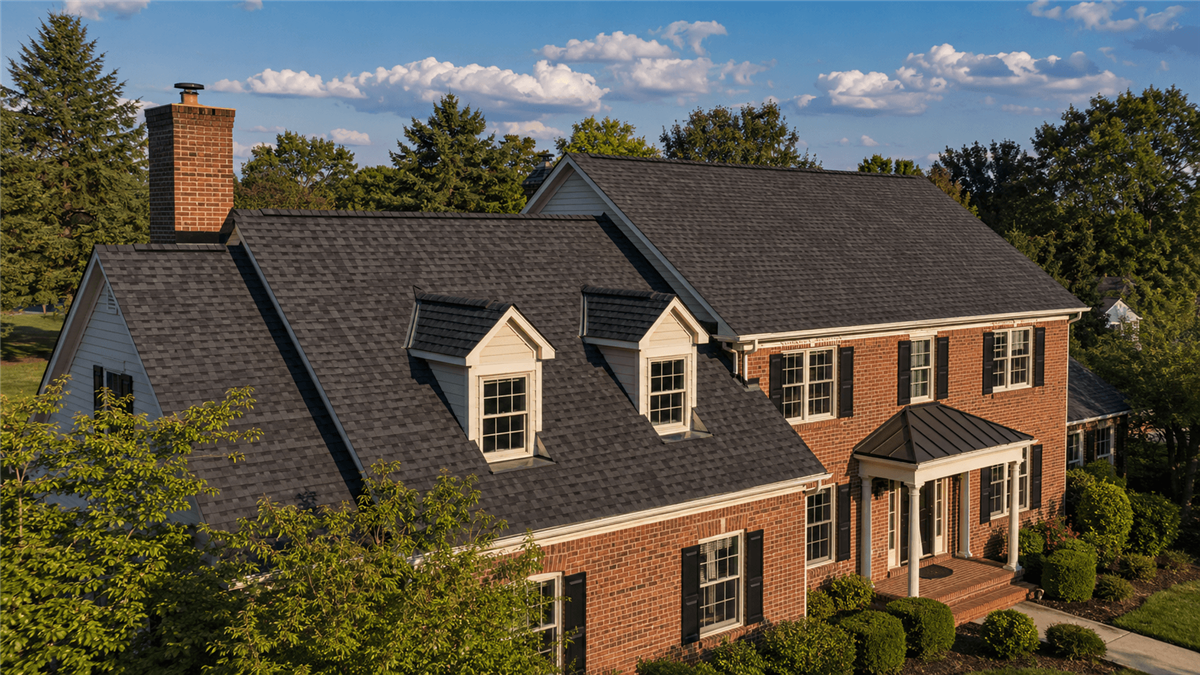
Asphalt shingles remain the most popular residential roofing choice across the DMV area, and it's easy to see why. They're affordable, come in dozens of color and profile options, and are relatively straightforward to install. A standard three-tab asphalt shingle roof typically lasts 15 to 20 years, while architectural (dimensional) shingles push that range to 25 to 30 years under favorable conditions. Premium lines from manufacturers like GAF and Owens Corning offer enhanced wind and impact resistance that can stretch performance even further, but only when paired with proper installation and ventilation.
The trade-off? Asphalt is more vulnerable to thermal cycling than most other materials. In Northern Virginia and Maryland, where summer heat and winter cold push shingles through constant expansion and contraction, granule loss accelerates faster than it would in milder climates. That's why two identical asphalt roofs installed in different environments can age years apart from each other.
Metal Roofing
Metal roofing has gained serious traction among homeowners who want longevity without the weight of slate or tile. Standing seam steel and aluminum systems regularly last 40 to 70 years, and some copper roofs have survived well beyond a century. Metal reflects solar radiation rather than absorbing it, which reduces attic heat buildup and eases the load on your HVAC system during those humid DMV summers.
Corrosion resistance comes down to the coating. Galvalume and Kynar-finished panels hold up extremely well, while cheaper painted steel can show rust at cut edges within a decade if those edges aren't properly sealed. The upfront cost runs higher than asphalt, but the per-year cost of ownership often ends up lower because you won't be replacing the roof twice in the same timeframe.
Slate and Tile
If budget isn't the primary constraint, slate and clay or concrete tile deliver the longest service life of any residential roofing material. Natural slate routinely lasts 75 to 100+ years, and tile holds strong for 50 to 80 years. These materials are nearly immune to UV degradation and don't suffer from the granule loss that shortens asphalt lifespans. The catch is weight. Slate and tile demand a reinforced roof structure, and repairs require specialized labor that not every contractor can provide. Cracked tiles left unaddressed will funnel water beneath the surface and rot out the underlayment long before the tiles themselves show any signs of failure.
The table below breaks down how the most common roofing materials compare in terms of lifespan, cost, and ideal use case.
Roofing Material Lifespan Comparison
| Material | Typical Lifespan | Relative Cost | Best For |
| 3-Tab Asphalt Shingles | 15–20 years | Low | Budget-conscious homeowners |
| Architectural Shingles | 25–30 years | Low–Medium | Most residential homes |
| Standing Seam Metal | 40–70 years | Medium–High | Long-term investment, energy efficiency |
| Clay/Concrete Tile | 50–80 years | High | Aesthetic-driven, warm climates |
| Natural Slate | 75–100+ years | Very High | Heritage homes, maximum longevity |
| TPO/EPDM (Flat) | 15–30 years | Low–Medium | Low-slope and flat roofs |
Flat Roofing Systems
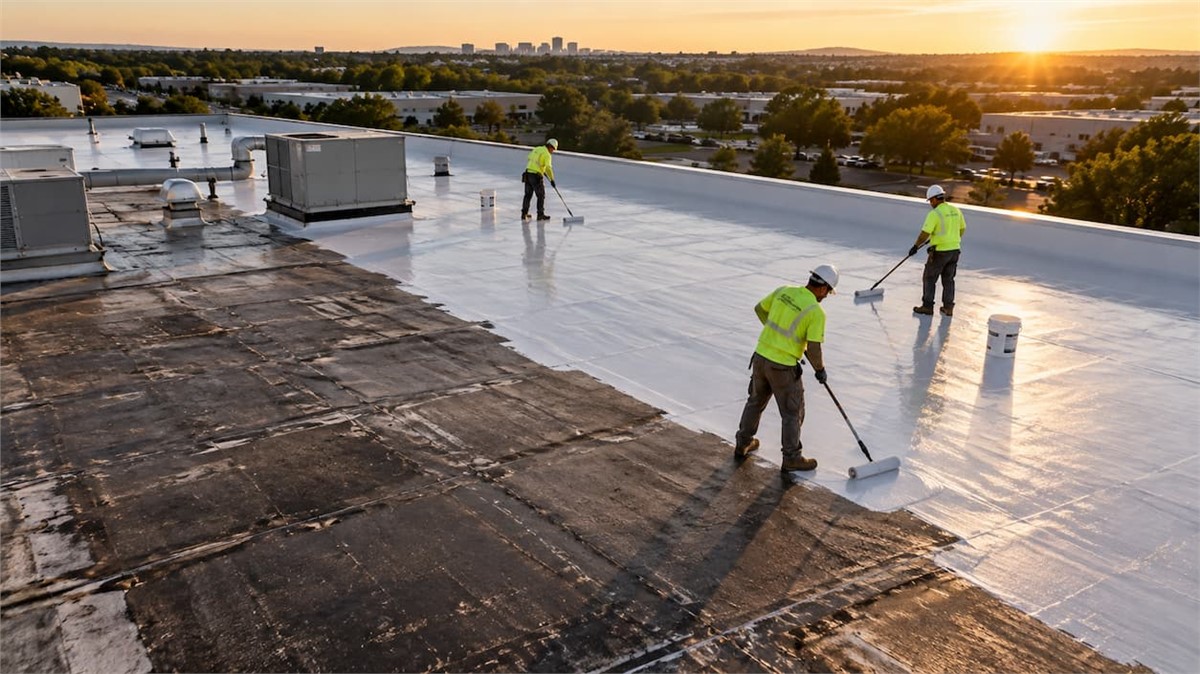
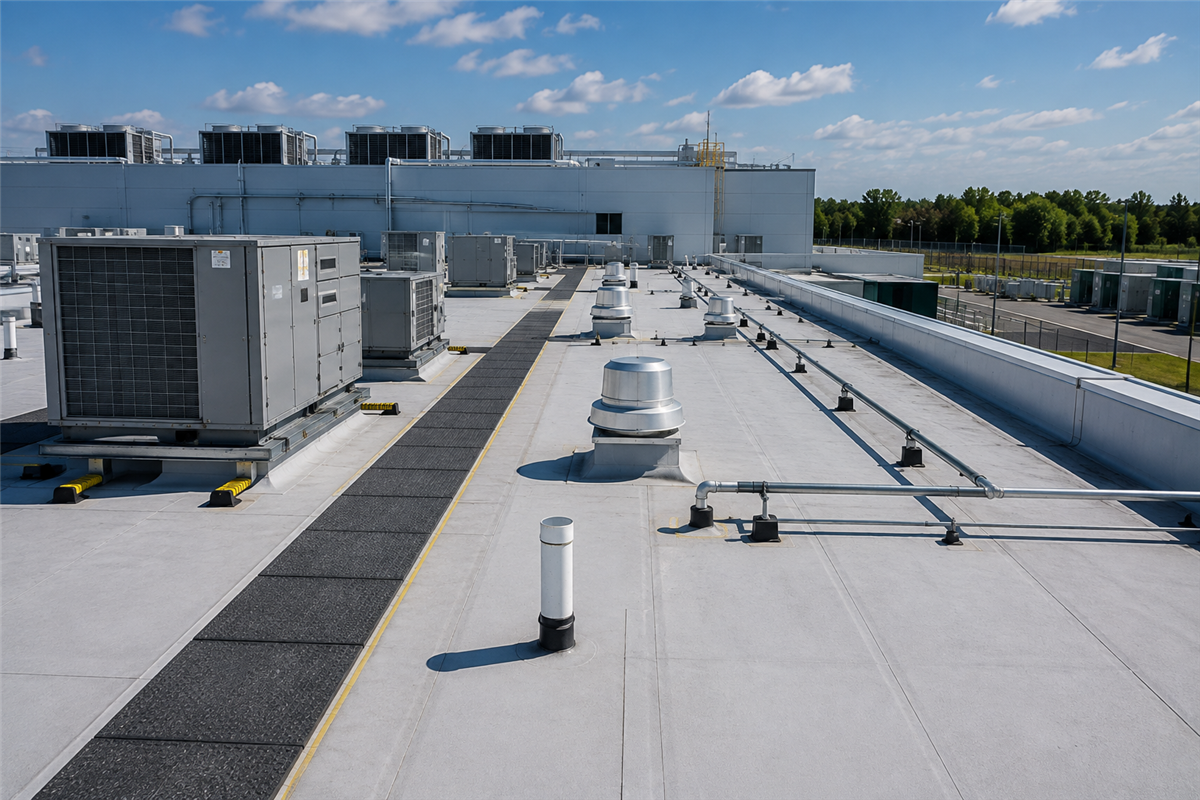
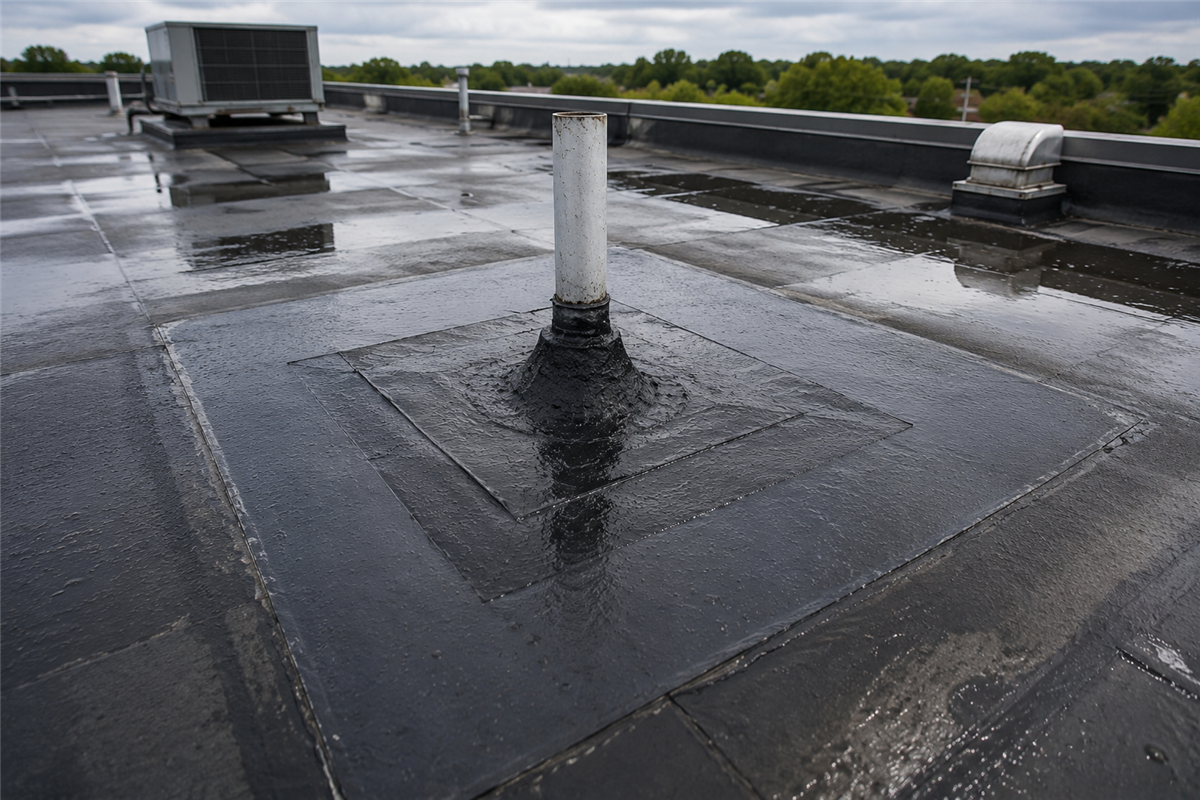
Flat and low-slope roofs rely on membrane systems like TPO, EPDM, or PVC rather than shingles or panels. As noted by New View Roofing's guide to roof types, a well-installed flat roof can last 15 to 30 years with proper care, though regular inspections are critical to prevent water ponding, which is the single biggest threat to membrane roofing. For homeowners with flat-roof additions or commercial property managers overseeing large portfolios, membrane selection and drainage design are among the most consequential decisions you'll make when it comes to how long these structures actually hold up.
| Material choice sets the ceiling for how long a roof can last. Installation quality, climate, and maintenance determine whether it actually gets there. |
Environmental Factors Influencing Roof Lifespan
Your home's geographic location plays just as big a role in how long your roof lasts as the materials it's made from. The DMV region throws a particularly tough mix of weather at your roofing system, and understanding these environmental factors influencing roof lifespan helps you plan ahead rather than scramble after the damage is already done.
Weather Extremes and Storm Exposure
Northern Virginia, Maryland, and the D.C. metro area sit in a corridor that catches a little bit of everything. Spring thunderstorms roll through with hail and high winds. Late summer and early fall can bring remnants of tropical systems. Winter nor'easters pile on heavy snow and ice. Each type of event puts different stress on your roof. Wind lifts shingle edges and breaks adhesive seals. Hail fractures granule surfaces and dents metal panels. Falling branches puncture membranes and crack tiles.
A single bad storm won't always cause obvious failure, but the cumulative effect of repeated events dramatically shortens a roof's functional life. Homes surrounded by heavy tree canopy or sitting on elevated lots with no windbreak tend to absorb more punishment over time.
Sun, Heat, and UV Degradation
This one surprises a lot of homeowners: the south- and west-facing slopes of your roof age faster than the north-facing side. Constant ultraviolet exposure breaks down the chemical binders in asphalt shingles, making them brittle and causing them to shed granules. On a 95°F August afternoon in the DMV, roof surface temperatures can climb past 150°F. That heat doesn't stop at the shingles. It radiates into the attic, speeds up the breakdown of underlayment adhesives, and wears out flashing sealants.
Metal roofs handle UV far better because they reflect solar energy rather than absorbing it, which is one reason their lifespans are measured in decades rather than years.
| The south- and west-facing slopes of your roof can age years faster than other sections due to prolonged UV and heat exposure, something most homeowners never consider until they notice uneven wear. |
Humidity, Moisture, and Ice Dams
Moisture is a slow killer. The DMV's humid summers create conditions where condensation can form in poorly ventilated attics, soaking into roof decking and promoting mold growth beneath the shingles. In winter, ice dams form when heat escaping through the roof melts snow on the upper slopes, and the meltwater refreezes at the colder eaves. That ice barrier traps water, which backs up under shingles and seeps into the structure.
If you want to reduce moisture-related damage and address several of the environmental factors influencing roof lifespan at once, here's a step-by-step approach to assess your home's vulnerability:
- Check your attic ventilation balance: Look for both intake vents (at the soffits) and exhaust vents (at or near the ridge). You need both working together for airflow to actually move heat and moisture out.
- Inspect insulation depth and placement: Insulation should sit on the attic floor, not against the roof deck. Gaps or compressed batts allow heat transfer that fuels ice dams.
- Look for signs of condensation: Dark staining on roof sheathing, rusty nail tips, or a musty smell in the attic all point to trapped moisture that's silently degrading your roof from the inside.
- Examine your eaves after winter storms: Icicles hanging from the gutters and thick ice ridges along the roof edge are clear indicators that heat is escaping and ice dams are forming.
- Schedule a professional assessment: A qualified roofer can use thermal imaging and physical inspection to pinpoint ventilation failures and moisture entry points you'd never spot from the ground.
Following these steps catches problems while they're still minor, well before moisture infiltration turns a repair into a full replacement.
Design and Installation: The Hidden Factors That Matter Most
Materials get most of the attention, but how your roof is designed and assembled often has a bigger impact on longevity than the shingles themselves. Two homes with identical architectural shingles can see completely different results if one has proper ventilation and the other was rushed through installation. These are the factors that you can't spot from the curb, but they'll determine whether your roof holds up for 15 years or 35.
Roof Pitch and Ventilation
Steeper roofs shed water and debris faster, giving moisture less time to sit on the surface and work its way underneath. A roof with a 6:12 pitch will generally outlast a 2:12 pitch using the same material, simply because gravity does more of the heavy lifting. But pitch alone won't carry the load. Ventilation is the silent partner that keeps everything in check. Without balanced airflow through the attic, where cool air enters at the soffits and warm air exits near the ridge, heat and moisture get trapped. That trapped heat cooks shingles from below while condensation quietly rots the decking. It's similar to leaving your car windows sealed on a hot day: everything inside breaks down faster than it should.
Quality of Installation and Workmanship
This is where things get personal. A manufacturer's warranty might promise 30 years, but that promise falls apart if the crew didn't follow the installation specs. Improperly driven nails, misaligned shingles, and skipped starter strips are all mistakes that void warranties and invite premature failure. Factory-certified installers follow specific nailing patterns, overlap requirements, and sealing procedures that generic crews often cut corners on. The gap between a certified crew and an uncertified one doesn't show up on day one. It shows up five or ten years later when problems start surfacing and the warranty claim gets denied.
Here's a breakdown of how specific installation details affect long-term roof performance, and why getting them right from the start saves you thousands down the road:
Installation Quality Impact on Roof Performance
| Installation Factor | Done Right | Done Wrong |
| Nail placement | Hits the nailing strip; shingle stays sealed | High nailing causes blow-offs in wind |
| Starter strip | Prevents wind-driven rain at eaves | Skipped; water infiltrates from the edge |
| Ventilation balance | Intake and exhaust matched for continuous airflow | Mismatched or blocked; heat and moisture build up |
| Flashing at penetrations | Step and counter flashing layered correctly | Caulk-only seal that cracks within a few years |
Underlayment and Flashing Details
Underlayment is your roof's second line of defense. Synthetic underlayment outperforms traditional felt in tear resistance and moisture rejection, and it lies flatter under shingles, which reduces the chance of wrinkles that channel water sideways. Flashing, the metal pieces at valleys, chimneys, walls, and vent pipes, handles the transitions where water naturally concentrates. When flashing is bent, sealed, and layered correctly, those junctions stay dry for decades. When it's slapped on with a bead of caulk instead, you're looking at leaks within three to five years.
| A roof is only as strong as its weakest transition point. Proper flashing and underlayment work quietly behind the scenes, but their failure is loud, expensive, and almost always preventable. |
Making the Right Roofing Decision for Your Property
Every roof tells a story about the choices made before and after installation. The factors that influence how long a roof lasts, from material selection and attic ventilation to flashing details and gutter maintenance, all compound over time. You can't control the weather, but you absolutely control how your roof is built, who builds it, and how well it's cared for afterward. Those three decisions account for the gap between a roof that barely reaches its warranty period and one that outlasts it by a decade or more.
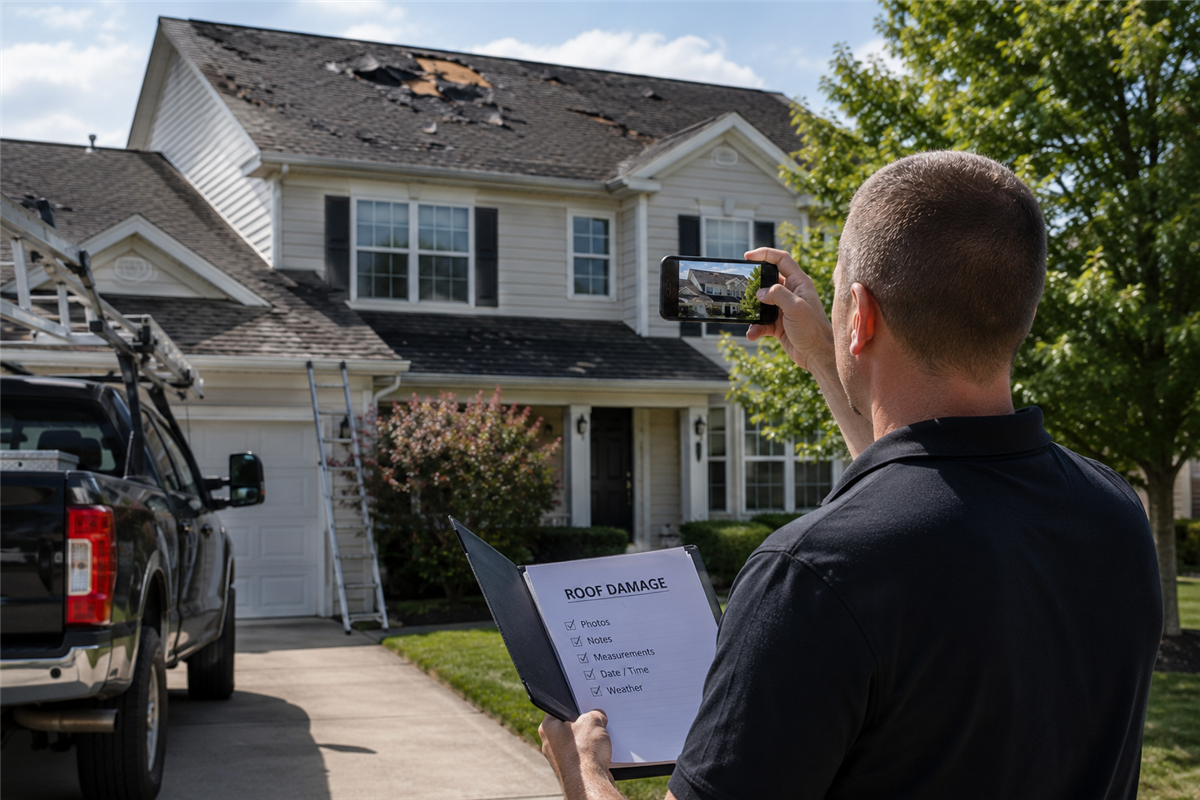
If you're planning a replacement, evaluating storm damage, or just trying to get more years out of what's already up there, start with a professional inspection. Knowing exactly where your roof stands right now gives you the information you need to make a decision you won't regret five years from now.
FAQs
What are the most overlooked factors influencing roof lifespan?
Attic ventilation balance and the direction your home faces are two of the most commonly overlooked variables. Poor airflow traps heat and moisture that silently degrade your roof from the inside, while south- and west-facing slopes endure significantly more UV damage over time.
How often should a residential roof be professionally inspected?
Most roofing professionals recommend scheduling an inspection at least once a year and after any major storm event. Catching small issues like cracked flashing or lifted shingles early prevents them from turning into costly structural repairs.
Can proper maintenance really extend a roof's lifespan beyond the manufacturer's warranty?
Yes, consistent maintenance such as keeping gutters clear, trimming overhanging branches, and addressing minor damage promptly can push a well-installed roof well past its rated warranty period. Among the key factors influencing roof lifespan, ongoing care is one of the few you can control after installation day.
Does roof pitch affect how long shingles last?
Steeper roofs shed water and debris more efficiently, which reduces the time moisture sits on the surface and minimizes the risk of water working its way underneath. Low-slope roofs require more careful material selection and drainage planning to achieve comparable durability.
Why would two identical roofs installed the same year age at different rates?
Differences in installation quality, attic ventilation, sun exposure, tree coverage, and maintenance habits all create variation even when the same materials are used. The combination of these factors influencing roof lifespan is unique to every property, which is why no two roofs age the same way.
Subscribe to NV Roofing's Blog