| When hiring a Prince William County roofing contractor, verify their DPOR license class, confirm general liability and workers' comp insurance, compare at least three detailed written estimates line by line, and look for manufacturer certifications that unlock stronger warranty coverage. Avoid contractors who use high-pressure tactics, request full payment upfront, lack a physical local office, or submit bids significantly lower than competitors, as these are common signs of storm chasers or unreliable operators. |
Your roof does one job: keep everything underneath it safe. When it fails, the costs add up fast. If you're looking for a Prince William County roofing contractor right now, chances are something urgent pushed you here. Storm damage, leaks, or a roof that's clearly past its lifespan.
The problem? There are dozens of contractors to choose from, and the difference between a great one and a terrible one isn't always obvious upfront. A bad hire can mean shoddy work, voided warranties, or thousands in unexpected costs.
This guide gives you a clear framework for vetting contractors before you sign anything. We cover Virginia licensing requirements, how to read warranty fine print, pricing red flags that signal trouble, and the exact questions worth asking during estimates. Everything here is designed to help you make a faster, more confident decision.
What to Look for in a Prince William County Roofing Contractor
Before you start comparing quotes, you need a clear baseline for what “qualified” actually looks like in Virginia. Not every contractor who shows up in a Google search meets the legal and professional standards required to work on your home. Here's where to start.
Licensing, Insurance, and DPOR Requirements in Virginia
Virginia requires all contractors to hold a license issued by the Department of Professional and Occupational Regulation (DPOR). Licenses are broken into three classes based on the dollar value of the project:
- Class A: covers contracts over $120,000
- Class B: covers contracts between $10,000 and $120,000
- Class C: covers contracts between $1,000 and $10,000
A full roof replacement in Prince William County will typically fall under a Class A or Class B license, so confirm the contractor holds the right class for your project scope before anything else moves forward.
Beyond the license itself, ask for proof of general liability insurance and workers' compensation coverage. If a worker gets injured on your property and the contractor has no workers' comp, you could be held liable. That's not a hypothetical scenario; it happens more often than homeowners realize. You can verify any contractor's license status directly through DPOR's online lookup tool before you even schedule an estimate.
| A valid DPOR license is the bare minimum. Any Prince William County roofing contractor who can't produce one on request should be removed from your list immediately. |
Local Experience and Reputation in PWC
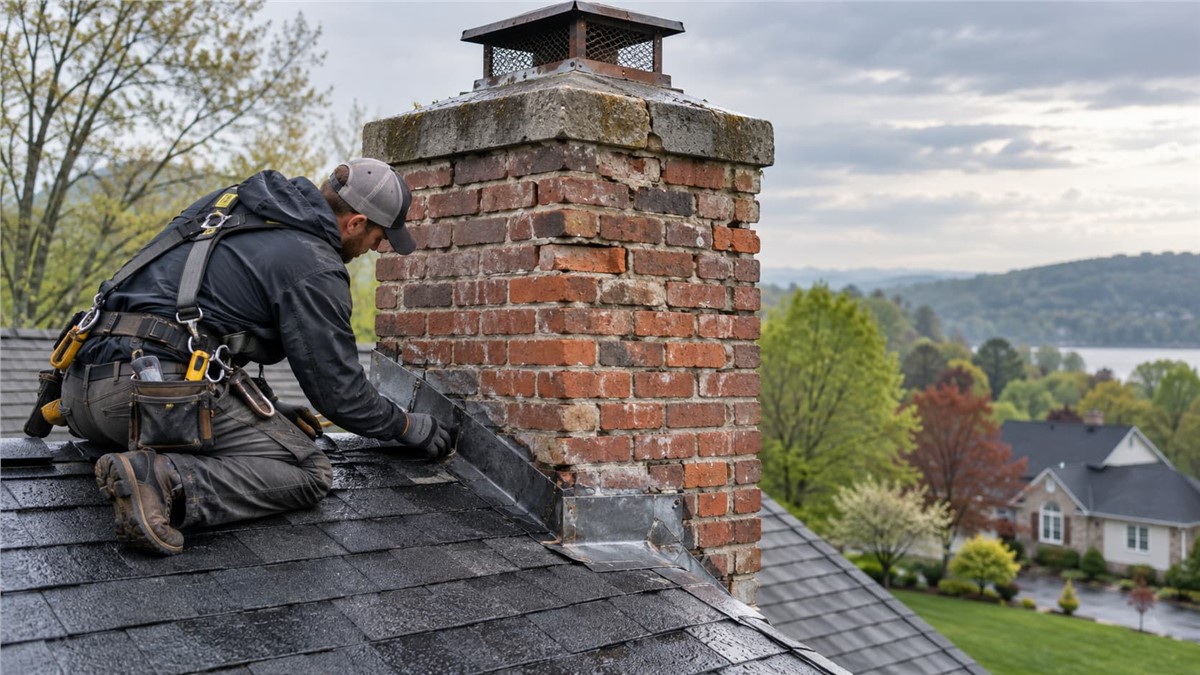
Prince William County has its own permitting process, HOA requirements, and weather patterns that directly affect roofing decisions. A contractor who primarily works two hours away won't have the same familiarity with local building codes or the working relationships with county inspectors that a local crew will. That matters when permits need to move quickly or inspections require specific documentation.
Look for a Prince William County roofing contractor with a physical office in the region, not just a P.O. box. Check Google reviews, but pay close attention to how the company responds to negative ones. A business that addresses complaints professionally and offers real solutions tells you far more about their character than a hundred five-star ratings ever could.
Ask neighbors or local community groups for referrals. Word of mouth still carries serious weight in this area, especially in established neighborhoods like Bristow, Woodbridge, and Gainesville where homeowners regularly talk to each other about who they've hired and whether they'd do it again. A contractor with a strong local track record has too much at stake to cut corners on your project.
Comparing Roofing Contractors: Key Factors That Matter
Once you've confirmed a contractor is licensed and has a solid local reputation, the next step is comparing your shortlist side by side. This is where the details separate a contractor who'll protect your home for decades from one who'll leave you with problems in a few years. Here's what to evaluate when choosing a Prince William County roofing contractor.
Materials and Manufacturer Certifications
Not all shingles perform the same way, and the same goes for the crews installing them. Ask each contractor which manufacturers they carry and whether they hold factory certifications. A certification from brands like GAF, CertainTeed, or Owens Corning means the contractor's installation crews have been trained and vetted by the manufacturer itself. That matters because it directly affects the warranty you'll receive (more on that below).
For Prince William County homes specifically, material selection should account for our mix of hot, humid summers and freeze-thaw cycles in winter. Architectural shingles remain the most popular choice for residential roofs here, but metal roofing and specialty systems are gaining ground among homeowners who want longer lifespans. Ask your contractor to walk you through the options and explain why they recommend a specific product for your roof's pitch, exposure, and ventilation setup.
Warranty Coverage and What It Actually Includes
This is where a lot of homeowners get tripped up. There are two types of warranty to ask about, and you need both of them:
- Manufacturer's material warranty: covers defects in the roofing product itself
- Contractor's workmanship warranty: covers errors made during installation
| A 50-year shingle warranty means very little if the contractor who installed it offers zero coverage on their labor. Most roof failures stem from installation mistakes, not material defects. |
Factory-certified contractors can often offer enhanced warranties that bundle both material and workmanship coverage under the manufacturer's umbrella. That's a significant advantage worth asking about. Get every warranty promise in writing before work begins, and read the exclusions carefully.
Pricing Transparency and Written Estimates
A trustworthy Prince William County roofing contractor will provide a detailed written estimate that breaks down every cost involved with the project. If you receive a quote that's just a single number on a napkin, that's not an estimate. That's a guess.
Here's what a proper written estimate should include:
- Material costs: specific products, quantities, and brands being used
- Labor charges: crew size, estimated timeline, and hourly or project-based pricing
- Permits and fees: local building permits required for the job
- Debris removal: dumpster rental and cleanup after tear-off
- Additional repairs: decking replacement, flashing work, or ventilation upgrades
Compare at least three written proposals and look for line-item consistency. If one contractor includes underlayment replacement and another doesn't mention it, you're not comparing apples to apples. Don't be afraid to ask clarifying questions. A good contractor will welcome them because transparency builds trust on both sides.
HOA Compliance and Permit Handling
Prince William County has numerous HOA-governed communities, and each one has its own set of architectural guidelines covering everything from shingle color to material type. Your contractor should be willing to help you identify the right products that meet HOA requirements before ordering materials, not after they've already shown up on a truck.
On the permit side, any roof replacement in Prince William County requires a building permit. According to the Code of Virginia, Chapter 11, contractors must hold a valid license before pulling permits or performing work. A reputable contractor handles the permit application, coordinates the required inspections, and ensures the project meets local building code. If a contractor suggests skipping the permit to save time or money, walk away. That shortcut can create serious problems when you try to sell your home or file an insurance claim down the road.
Storm Damage and Insurance Claim Support
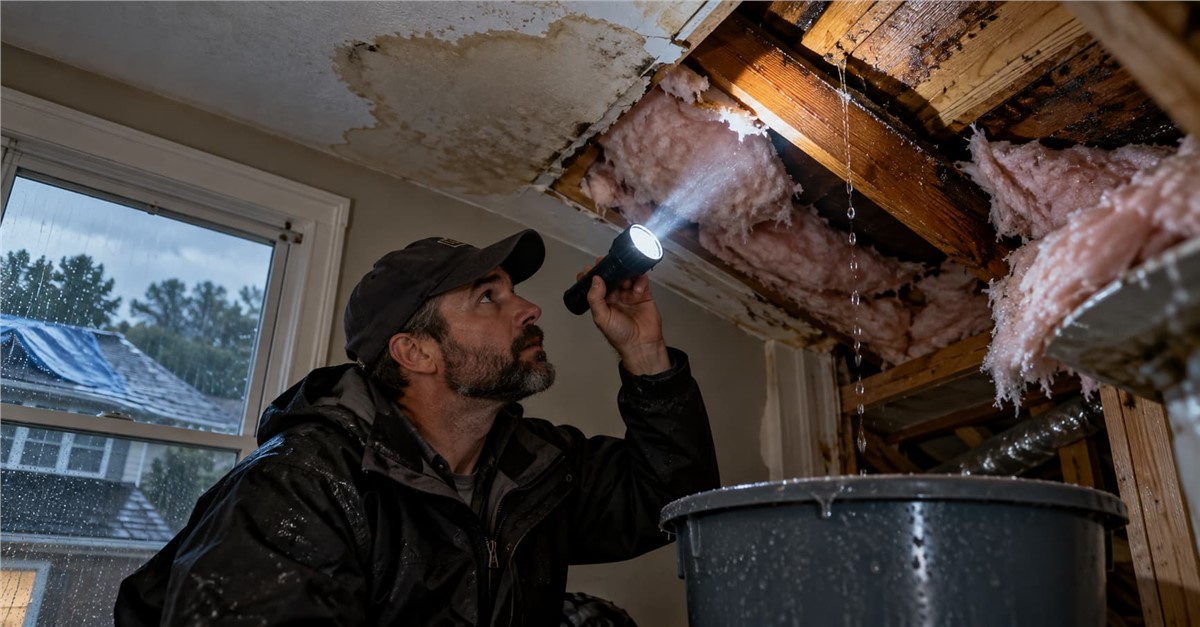
Northern Virginia sees its share of severe weather, from summer hailstorms to wind events that rip shingles off in patches. If your roof has storm damage, you want a Prince William County roofing contractor who understands the insurance claims process and can work alongside your adjuster rather than against them.
That means the contractor should handle several things on your behalf:
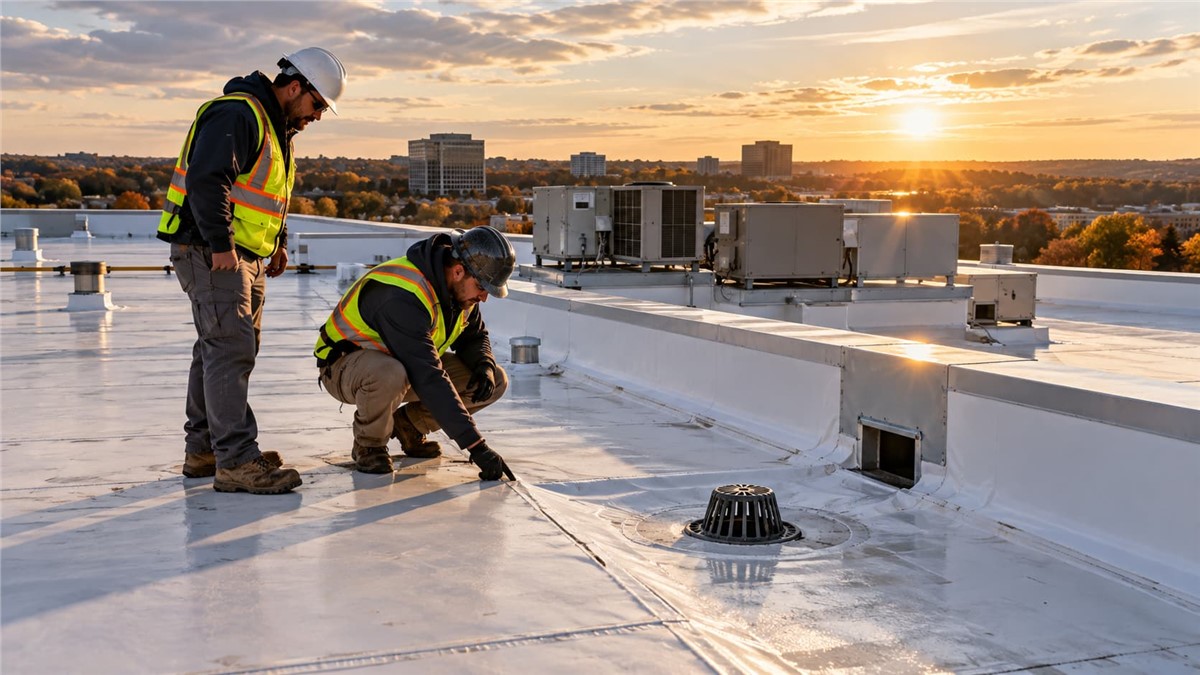
- Thorough damage inspection: identifying all affected areas, not just the obvious ones
- Detailed documentation: photos, measurements, and written descriptions of every finding
- Scope of work report: a breakdown your insurance company can review and approve
- On-site adjuster meetings: walking through the damage together so nothing gets missed
That kind of support can make the difference between a claim that gets approved quickly and one that drags on for months. Be cautious of any contractor who pressures you to sign a contract before your insurance company has assessed the damage. A contractor who puts that kind of pressure on you is likely more interested in locking you in than looking out for your best interests.
Red Flags That Should Make You Walk Away
Knowing what to look for in a good contractor is half the equation. The other half is recognizing the warning signs that tell you someone isn't worth your time or money. These red flags show up more often than you'd think, especially after major storms when out-of-town crews flood the area looking for quick jobs.
High-Pressure Sales and Unusually Low Bids
If a contractor shows up at your door uninvited, offers a “today only” discount, and pushes you to sign before you've had time to think, that's not enthusiasm. That's a sales tactic designed to bypass your better judgment. A legitimate Prince William County roofing contractor understands that a roof replacement is a major financial decision, and they'll give you the space to review proposals, ask questions, and compare options without manufactured urgency.
Then there's the lowball bid. When one estimate comes in dramatically below the others, something is being left out. Maybe they're planning to skip the underlayment, use thinner flashing, or cut corners on ventilation. Or they'll hit you with change orders once the old shingles are stripped off and your roof is fully exposed. Either way, that cheap price tag gets expensive fast.
| The lowest bid and the best value are rarely the same thing. A quote that seems too good to be true almost always is. |
A fair price reflects quality materials, skilled labor, proper permits, and thorough cleanup. If you're seeing a gap of 30% or more between one bid and the rest, ask that contractor to explain exactly what's included, line by line. If they can't or won't break it down, you have your answer.
No Physical Address or Verifiable Track Record
Storm chasers operate with a predictable pattern. They roll into an area after severe weather, knock on doors, collect deposits, do rushed work (or disappear entirely), and move on to the next county before anyone can track them down. One of the easiest ways to spot them is the absence of a verifiable local presence.
A trustworthy Prince William County roofing contractor will have a physical office you can visit, a history of completed projects in the area, and a track record you can verify through reviews and references. Before signing any agreement, here's a quick vetting process that takes about an hour and eliminates the vast majority of unreliable operators:
- Check the BBB: Search the contractor's business name on the Better Business Bureau website to review complaints, accreditation status, and how long they've been in operation.
- Verify their Virginia license: Use DPOR's online lookup tool to confirm their contractor license class matches the scope of your project.
- Request local references: Ask for at least three references from completed roofing projects in Prince William County within the past two years, then actually call them.
- Confirm a real office address: Make sure they have a local office (not just a P.O. box) and look it up on Google Maps to verify it exists.
- Get insurance verification from the source: Request a copy of their certificate of insurance directly from their insurance provider, not a photocopy the contractor hands you.
That process takes maybe an hour total, and it protects you from handing money to someone who won't be around when problems surface six months later.
Also watch for contractors who ask for full payment upfront. A standard payment structure ties the final payment to project completion and a successful inspection. If someone wants 100% before touching a single shingle, that's one of the clearest signs to move on to the next name on your list.
Why Homeowners in Prince William County Trust NV Roofing
Everything we've covered so far gives you a framework for evaluating any contractor. So how does NV Roofing stack up against those same criteria? Here's what sets us apart for homeowners across Prince William County.
60+ Years of Residential Roofing and Exterior Services
NV Roofing is a family-owned company that has been serving the Northern Virginia, Maryland, and Washington, D.C. region since 1963. That's over six decades of installing, repairing, and replacing roofs for homeowners who expect the job done right the first time. We hold the proper Virginia licensing, carry full insurance coverage, and our installation crews are factory-certified by leading manufacturers.
What does 60+ years of experience actually look like on the ground? It means our team has worked on virtually every roof type, pitch, and material combination found across Prince William County neighborhoods. From older homes in Manassas to newer construction in Bristow and Haymarket, we understand the specific challenges each community presents, including HOA requirements, local permitting timelines, and the weather-related wear patterns common to this area.
| When a contractor has been in business for over 60 years, their warranty promises carry real weight. We'll still be here when you need us. |
Full-Service Solutions Beyond the Roof
Roof problems rarely exist in isolation. Water that gets past damaged shingles often reveals gutter failures, deteriorating siding, or aging windows that are letting energy (and money) escape. That's why NV Roofing offers a full range of residential services designed to address your home's exterior as a connected system rather than a collection of separate projects.
Here's a breakdown of how our residential services address the most common homeowner needs:
NV Roofing Residential Services at a Glance
| Service | What's Included | Why It Matters |
| Roofing | Repairs, replacements, new installations (shingles, metal, specialty systems) | Factory-certified crews and strong manufacturer-backed warranties |
| Gutters | Seamless gutters and gutter guards | Prevents water damage and protects your foundation |
| Siding | James Hardie fiber cement, vinyl, and wood alternatives | Improved durability and curb appeal |
| Windows | Energy-efficient replacement windows | Reduces energy bills, noise, and drafts |
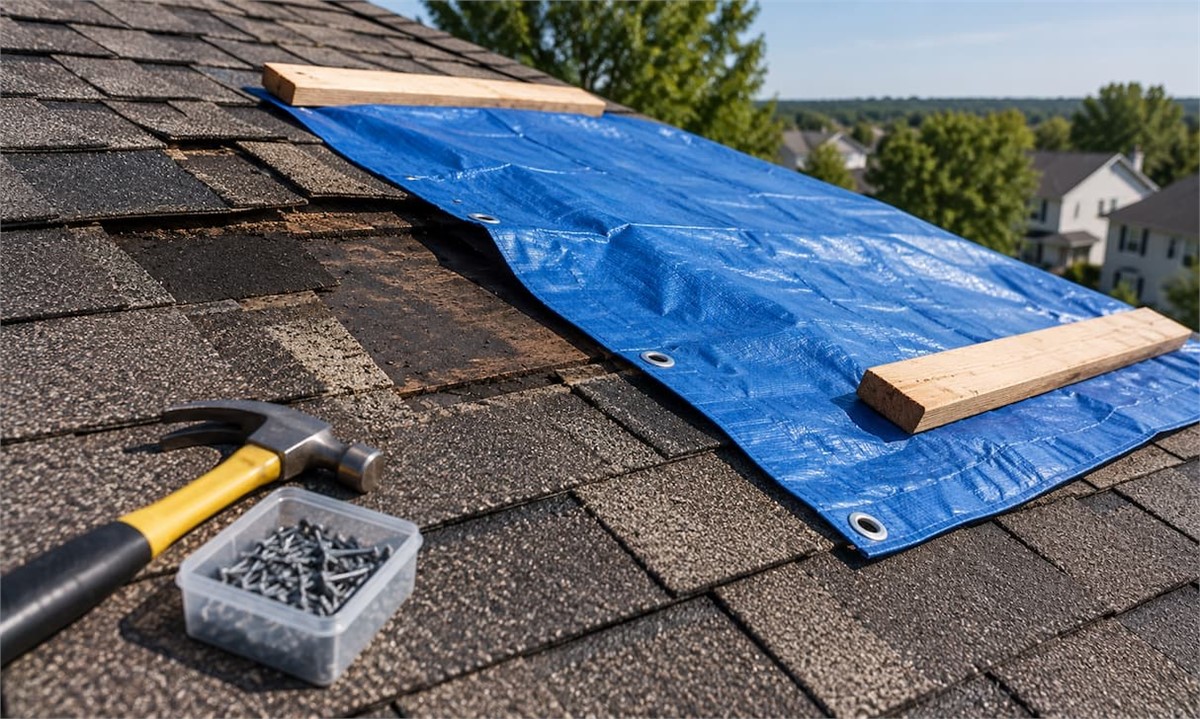
| Storm Damage Restoration | Fast inspections, emergency tarping, insurance claim support | Gets your home protected quickly with expert claims guidance |
Working with a single Prince William County roofing contractor who also handles gutters, siding, and windows means one point of contact, coordinated scheduling, and no finger-pointing between different trades if an issue comes up later. Every detail is managed from inspection through final walkthrough, so you get predictable results and lasting peace of mind.
Ready to get a clear, detailed estimate for your home? Contact us to schedule a free consultation with our team.
Making Your Final Decision with Confidence
Choosing a Prince William County roofing contractor comes down to verification, not gut feeling. Check the license, confirm insurance, compare written estimates line by line, and pay attention to how each contractor communicates during the process. The ones who answer your questions thoroughly and welcome scrutiny are the ones worth hiring. The ones who dodge, pressure, or lowball are telling you exactly what kind of experience you'll get once the project starts.
Take the framework from this guide and apply it to every contractor on your shortlist. Ask about manufacturer certifications, get warranty terms in writing, and confirm they'll handle permits and HOA coordination. A roof is one of the largest investments you'll make in your home, and the hour you spend vetting contractors now will save you thousands and years of headaches down the road. Start by requesting detailed estimates from your top two or three candidates and let the proposals speak for themselves.
FAQs
How much does a roof replacement cost in Prince William County?
Most residential roof replacements in Prince William County range from $8,000 to $25,000 or more, depending on the roof size, pitch, material selection, and whether structural repairs like decking replacement are needed. Getting at least three detailed written estimates from a qualified Prince William County roofing contractor is the best way to understand accurate pricing for your specific home.
Do I need a permit for roof replacement in Prince William County?
Yes, Prince William County requires a building permit for any roof replacement, and your contractor should handle the application and schedule all required inspections as part of the project. Skipping the permit can create legal and financial problems, especially if you file an insurance claim or sell your home later.
What is the best roofing material for homes in Northern Virginia?
Architectural asphalt shingles remain the most popular and cost-effective choice because they handle the region's hot summers and winter freeze-thaw cycles well, but metal roofing is growing in popularity for homeowners who want a longer lifespan and lower maintenance. A reputable Prince William County roofing contractor can recommend the right material based on your roof's pitch, ventilation, and HOA guidelines.
How long does a typical asphalt shingle roof last in Prince William County?
A properly installed architectural shingle roof generally lasts 20 to 30 years in this region, though severe storms, poor attic ventilation, and deferred maintenance can shorten that lifespan significantly. Regular inspections every one to two years help catch small issues before they turn into costly repairs.
When is the best time of year to replace a roof in Prince William County?
Late spring through early fall offers the most favorable weather conditions for roof installation, with fall being especially popular because of mild temperatures and lower humidity that help shingles seal correctly. However, experienced contractors can complete quality installations year-round as long as conditions are above freezing and dry.
Subscribe to NV Roofing's Blog