| Commercial roof leaks rarely start where they show up inside the building, and the longer they go unaddressed, the more they threaten insulation, decking, electrical systems, inventory, tenants, and property value. This guide breaks down the five most common causes of commercial roof leaks, a six-step process for handling a leak from the first warning sign through long-term prevention, and how to decide between targeted repair and full replacement by roof type. Catching problems early and inspecting on a consistent schedule is consistently the difference between a minor fix and a six-figure capital event. |
That small water stain on your ceiling tile? It probably started weeks ago. Maybe months. Commercial roof leaks work quietly, seeping through membrane seams and pooling around clogged drains long before anyone notices damage inside the building. A delayed commercial roof leak repair puts more than the roof at risk. You're looking at damaged inventory, ruined equipment, frustrated tenants, and repair costs that multiply fast.
This guide covers the actual causes behind commercial roof leaks, how to spot them early, and the exact process for fixing them right. You'll learn when repair makes sense versus full replacement, and how routine maintenance cuts long-term costs significantly. Whether you manage an office building, apartment complex, or retail center, you'll walk away with clear steps to follow the next time water shows up where it shouldn't.
Why Commercial Roof Leaks Demand Immediate Attention
A roof leak on a commercial building doesn't behave like a dripping faucet you can put off until next weekend. Water finds its way through insulation, into electrical systems, and along structural decking in ways that are difficult to trace and expensive to reverse. The longer a leak persists, the more complicated and costly the repair becomes.
Structural and Financial Risks of Delayed Repairs
When water gets into a commercial roof assembly, it saturates the insulation first. Wet insulation loses its thermal performance almost immediately, which forces your HVAC system to work harder to hold interior temperatures steady. That shows up directly on your energy bills, month after month, for a problem you might not even be able to see yet.
The bigger financial hit, though, comes from structural deterioration. Water pooling on a low-slope roof adds weight that the deck was never designed to support indefinitely. According to the International Institute of Building Enclosure Consultants (IIBEC), ponding water on parapeted low-slope roofs is an inescapable design challenge, and when drainage systems fail, the accumulated load can cause progressive deck deflection or even collapse. A commercial roof leak repair that runs a few thousand dollars today can easily balloon into a six-figure structural remediation project if water has been sitting for months.
| Every week a commercial roof leak goes unaddressed, the scope of damage expands beyond the roofing system itself, reaching insulation, decking, electrical components, and interior finishes. |
How Leaks Affect Tenants, Operations, and Property Value
For property managers and building owners, a leaking roof sets off a chain reaction that reaches well past the maintenance budget. Tenants in office buildings and retail centers expect functional, dry spaces. When ceiling tiles start to stain, carpet gets damp, or a bucket shows up in a hallway, tenant confidence drops fast. That kind of discomfort can trigger early lease terminations, rent concessions, or negative reviews that make filling vacancies harder down the road.
In warehouse and industrial settings, the risk shifts toward inventory and equipment. A single undetected drip above a server rack or a pallet of finished goods can destroy tens of thousands of dollars in assets overnight. And if moisture leads to mold growth in occupied spaces, you could be facing regulatory scrutiny and liability exposure on top of the cleanup costs.
Property value takes a hit too. Appraisers and buyers look closely at roof condition during due diligence. A documented history of unresolved leaks signals deferred maintenance across the entire building, not just the roof. Handling a commercial roof leak repair promptly protects your asset's marketability and keeps operating costs predictable.
Common Causes of Commercial Roof Leaks
Understanding why a commercial roof leaks is half the battle. Once you pin down the root cause, you can target the right commercial roof leak repair method instead of throwing money at symptoms. Here are the five most common culprits behind leaks on commercial buildings.
Aging Roofing Materials and Membrane Deterioration
Every roofing material has a shelf life. Single-ply membranes like TPO and EPDM typically last 20 to 30 years under ideal conditions, but UV exposure starts degrading them from the moment they're installed. According to the U.S. Environmental Protection Agency, UVA rays penetrate deep into materials and cause long-term degradation, and that applies to roofing membranes just as much as it does to skin. Over time, the membrane turns brittle, loses its flexibility, and develops hairline cracks that let water through.
Built-up roofing (BUR) systems deal with similar aging problems. The asphalt between felt layers oxidizes, and the surface gravel shifts or washes away, leaving the underlying layers exposed. If your roof has passed the 15-year mark without a coating or restoration, deterioration is likely already underway, even if everything looks fine from the ground.
Poor Installation and Flashing Failures
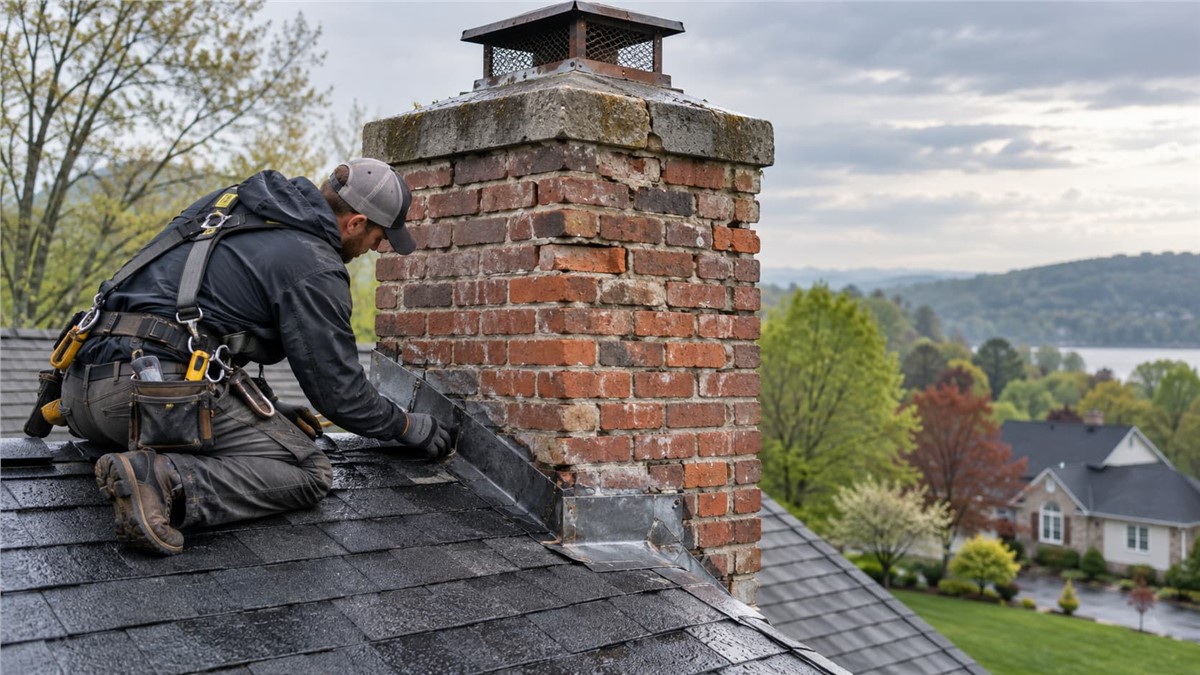
Flashing is the thin metal or membrane material that seals transitions, where the roof meets a wall, a curb, or an edge. It's also the single most common source of leaks on commercial buildings. When flashing is improperly installed, uses incompatible materials, or gets reused during a roof replacement, failure is only a matter of time.
Flashing failures account for more commercial roof leak repairs than any other single cause, and they're almost always preventable with proper installation techniques.
Poor workmanship shows up in other ways too. Seams that weren't welded at the correct temperature, adhesive applied in wet conditions, or fasteners placed at incorrect intervals are all common shortcuts. These might not cause problems in year one, but they create weak points that open up under thermal cycling and wind stress.
Standing Water and Drainage Problems
Low-slope and flat commercial roofs depend entirely on drainage systems to move water off the surface. When drains clog with debris, scuppers get blocked, or the roof deck deflects over time, water pools and stays put. That standing water adds weight, speeds up membrane breakdown, and eventually finds its way through even the smallest imperfection.
Proper slope design calls for a minimum of ¼ inch per foot toward drains. Buildings that weren't designed with adequate slope, or where insulation has compressed over the years, are especially prone to ponding issues that lead to chronic leaks.
Weather Damage and Storm Impact
Hail, high winds, and flying debris can compromise a commercial roof in minutes. The damage isn't always obvious either. As Ridge Top Exteriors explains, small punctures in a membrane or subtle dents in metal components can lead to water infiltration, insulation failure, and structural issues that don't surface for months. Different roof types respond to weather events in different ways, and the table below breaks down how each one holds up:
Weather Vulnerability by Commercial Roof Type
| Roof Type | Hail Resistance | Wind Resistance | Common Failure Mode |
TPO / PVC | Moderate | High | Punctures from impact |
EPDM | Low–Moderate | Moderate | Seam separation at edges |
Built-Up (BUR) | High | Moderate | Gravel displacement, exposed felt |
Metal | Moderate–High | High | Dented panels, loosened fasteners |
Modified Bitumen | Moderate | Moderate | Membrane tears at laps |
Neglected Maintenance Around Penetrations and Seams
Every pipe, vent, HVAC curb, skylight, and conduit that passes through the roof membrane is a potential leak point. The sealants and boots around these penetrations break down faster than the surrounding membrane because they're exposed to more thermal movement and UV stress. A rubber pipe boot that was perfectly sealed at installation can crack and separate within 8 to 12 years, sometimes sooner in regions with hot summers and freeze-thaw winters.
Seams carry the same risk. Whether heat-welded, adhered, or mechanically fastened, every seam is a joint, and joints move. Without regular inspection and resealing, seams gradually open up and let moisture into the roof assembly below. These are often the easiest fixes when caught early, but they become the most expensive when ignored.
How to Identify and Address a Commercial Roof Leak Repair
Understanding what causes leaks is helpful. But knowing exactly what to do when you find one is what actually saves you money. Here's a six-step process for handling a commercial roof leak repair, from the first sign of trouble through long-term prevention.
Step 1: Spot the Warning Signs Inside and Out
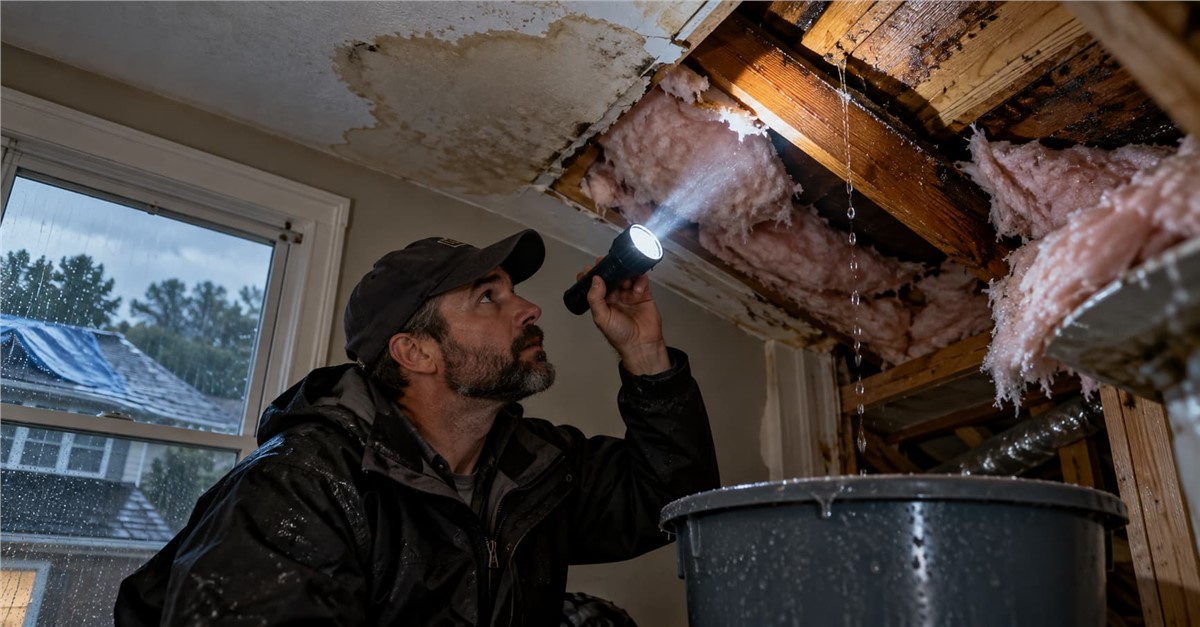
Most commercial roof leaks make themselves known inside the building well before they're visible on the roof surface. Water stains on ceiling tiles, bubbling paint on walls, musty odors in occupied spaces, and damp carpet are all early indicators worth taking seriously. On the exterior, keep an eye out for blistering or cracking membrane material, displaced flashing, and debris buildup around drains. As Northpoint Roofing Systems points out, most roof failures start at predictable problem areas (penetrations, flashing, valleys, and drainage points) and spread outward from there. Training your maintenance staff to check these zones monthly, especially after storms, can catch small problems before they become expensive ones.
Step 2: Document the Damage
Before anyone touches anything, photograph and record every sign of damage you can find. Take pictures of interior stains, wet insulation, standing water on the roof, and any visible membrane failures. Note the dates, weather conditions, and approximate square footage affected. This documentation becomes critical for insurance claims and helps your roofing contractor pinpoint the source faster during their inspection.
Step 3: Contain the Leak Temporarily
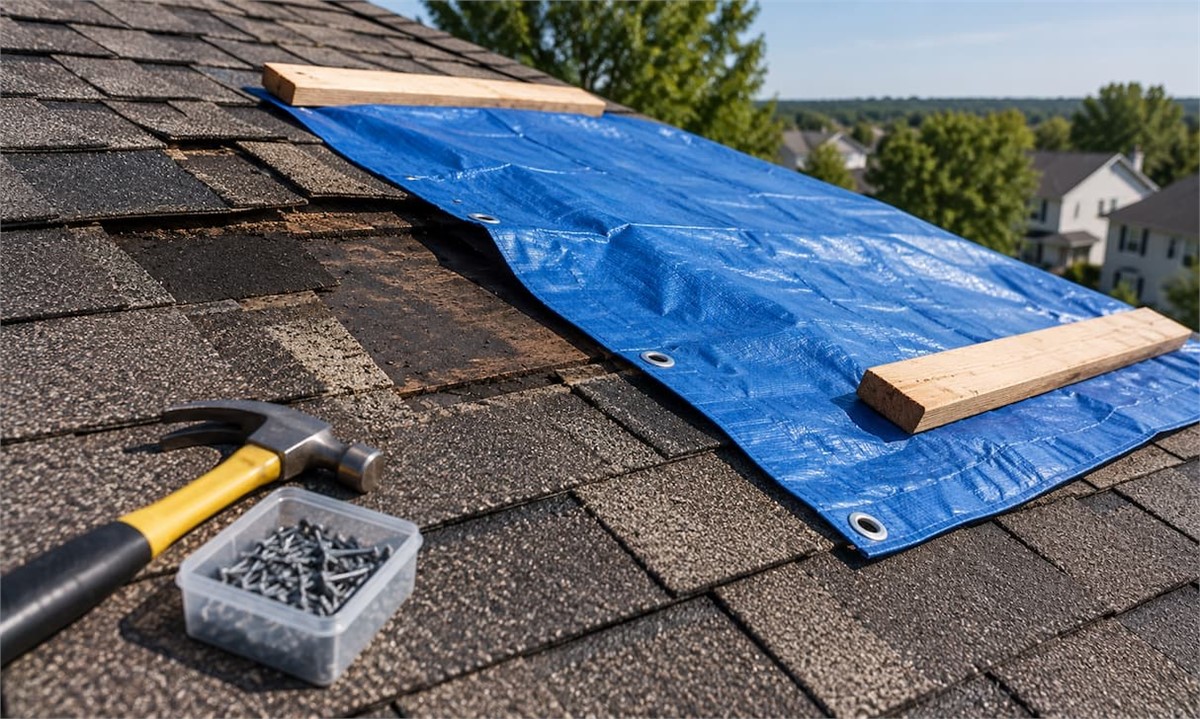
Place buckets or tarps to protect interior assets while you wait for a professional response. If water is pooling on the roof and you can safely access it, clear debris from drains and scuppers to restore some drainage. Avoid attempting to patch the membrane yourself with retail sealants. These products often trap moisture beneath the surface and make the permanent repair harder and more costly down the line.
Step 4: Get a Professional Roof Inspection
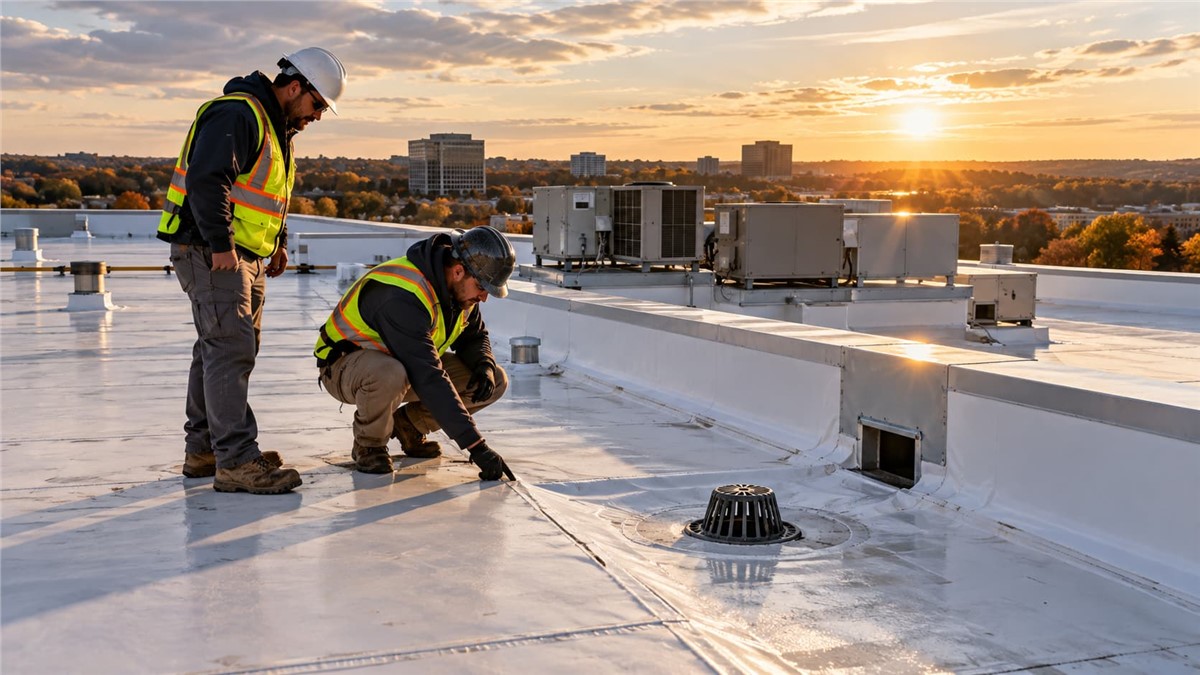
A qualified commercial roofing contractor goes well beyond a visual walk-through to find leaks. Infrared thermography, core sampling, and electronic leak detection can locate moisture trapped within the roof assembly that's completely invisible from the surface. This step determines whether you're dealing with a localized failure or a systemic problem affecting the entire membrane.
| The leak you see inside is rarely directly below the actual roof failure. Water can travel 20 feet or more along a deck before dropping through a ceiling, which is why professional leak detection matters far more than guesswork. |
Step 5: Choose the Right Repair Method for Your Roof Type
The right fix depends entirely on the roofing system, the scope of damage, and how much life the roof has left. Here's how the decision typically breaks down for each roof type during a commercial roof leak repair:
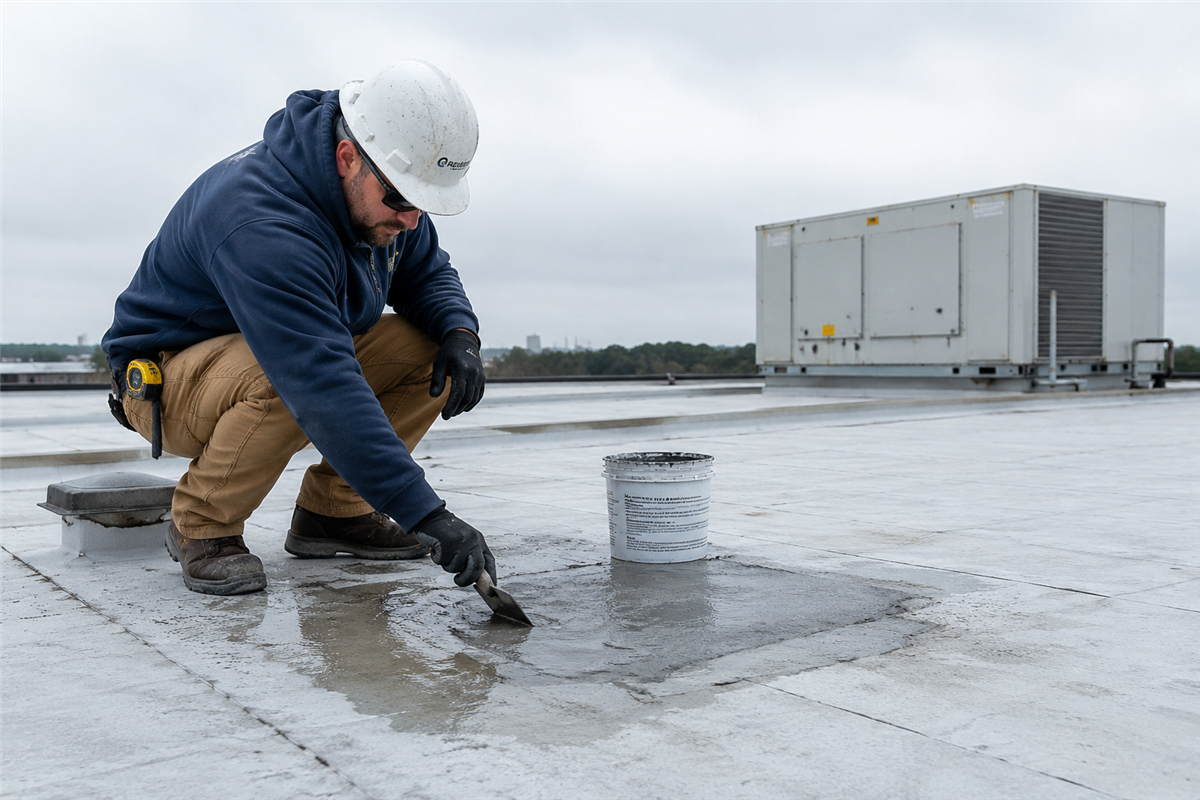
- Single-ply membranes (TPO, PVC, EPDM): Small punctures and seam separations can be heat-welded or patched with manufacturer-approved materials. Widespread seam failure usually signals a need for re-covering the affected section.
- Built-up roofing: Blisters and cracks in the top layers can be cut open, dried, and resealed with hot asphalt and new felt plies. If moisture has saturated multiple layers, a tear-off and replacement of that area becomes necessary.
- Metal roofing: Loosened fasteners get replaced, and failed sealant at seams and penetrations gets stripped and reapplied. Corroded panels require individual replacement.
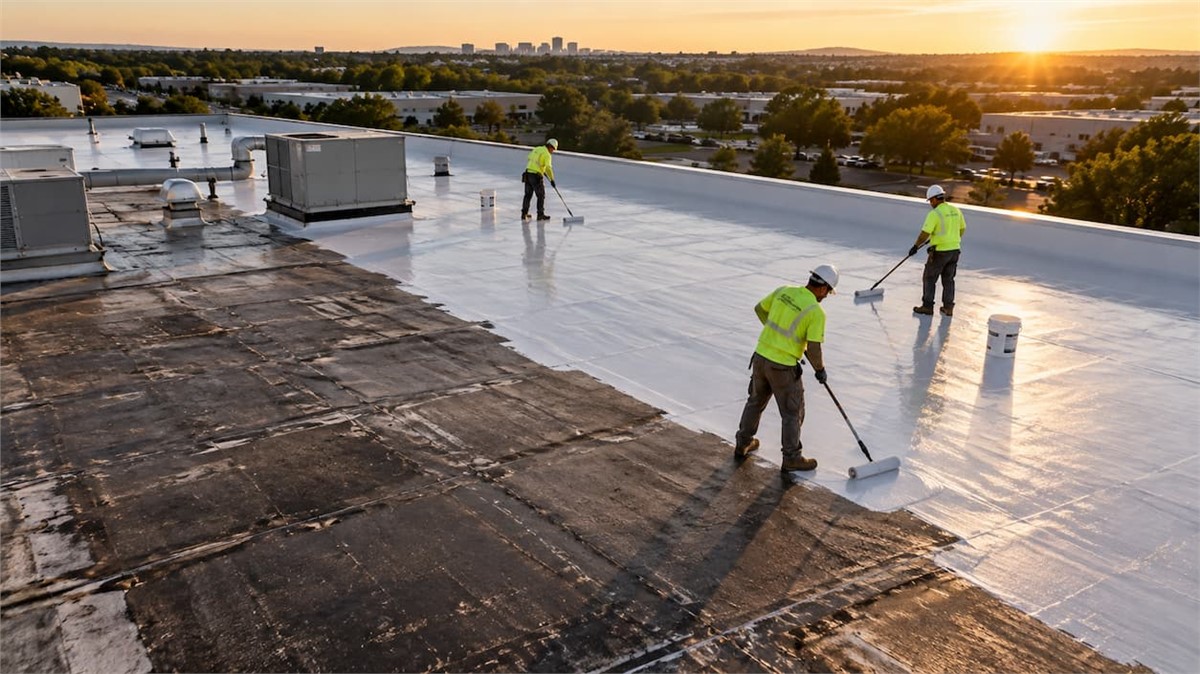
- Modified bitumen: Torch-applied or peel-and-stick patches work well for isolated tears. Coating the entire surface with an elastomeric roof coating can extend service life by 10 to 15 years when the membrane is still in reasonable condition.
Matching the repair method to the roof type prevents recurring failures and keeps costs under control.
Step 6: Establish a Preventive Maintenance Plan
A completed commercial roof leak repair is only as good as the maintenance that follows it. Schedule biannual inspections (once in spring and once in fall) to catch sealant deterioration, clogged drainage, and membrane wear before they turn into active leaks again. Keep detailed records of every inspection, repair, and warranty document so you always know the exact condition of the roof you're managing. That consistency is what separates buildings with chronic leak problems from those that stay dry for decades.
Repair vs. Replace: Making the Right Decision
Not every commercial roof leak repair wraps up with a patch and a handshake. Sometimes the damage goes deep enough that a full replacement turns out to be the better financial decision. The key is figuring out where that line falls for your specific building, roof type, and budget.
Key Factors That Determine Whether to Repair or Replace
Age should be your starting point. If your roof is still in the first half of its expected service life and the leak traces back to a single failure point (a blown seam, a cracked pipe boot, damaged flashing), repair almost always makes sense. But once you've crossed the 75% mark of a membrane's lifespan and you're dealing with recurring problems across multiple areas, you're essentially paying to keep a failing system going.
The extent of moisture infiltration matters just as much as age. A core sample that reveals dry insulation beneath a localized membrane tear is a good sign. Saturated insulation spread across a wide area, though, means the deck itself may be compromised. At that point, patching the surface does nothing to address what's happening underneath.
| A roof that needs three or more separate repairs within a single year is usually telling you the system has reached the end of its functional life, regardless of what the warranty paperwork says. |
Energy performance offers another telling clue. When heating and cooling costs keep climbing despite no changes in how the building is used, wet or compressed insulation beneath the membrane is often the reason. Replacing the full roof assembly (membrane, insulation, and potentially decking) resets thermal performance entirely.
Cost Comparison by Commercial Roof Type
The financial gap between repair and replacement varies quite a bit depending on which roofing system you have. Here's a general breakdown to help frame your decision:
Repair vs. Replacement Cost Ranges by Roof Type
| Roof Type | Typical Repair Cost (per sq. ft.) | Full Replacement Cost (per sq. ft.) | When Replacement Makes More Sense |
TPO / PVC | $3–$8 | $7–$14 | Widespread seam failure or membrane shrinkage |
EPDM | $3–$7 | $6–$12 | Adhesive breakdown across large sections |
Built-Up (BUR) | $4–$10 | $8–$16 | Multiple saturated plies or deck deterioration |
Metal | $3–$8 | $9–$18 | Significant corrosion or panel warping |
Modified Bitumen | $3–$9 | $7–$14 | Granule loss and cracking across full surface |
These ranges shift based on your location, building height, and how much tear-off work is involved. A professional inspection with core samples gives you the hard data to make this call with confidence rather than guesswork. NV Roofing's commercial team evaluates every roof with this repair-versus-replace analysis so property managers get a clear recommendation backed by actual findings, not a sales pitch. Get a Free Quote to find out exactly where your building stands.
Is Your Commercial Roof a Managed Asset or a Future Emergency?
NV Roofing's complimentary inspection gives you a full condition report, capital risk assessment, and remaining service life estimate. A $2,400 value at no cost.
Claim My Free Inspection →
Protecting Your Commercial Roof for the Long Run
Commercial roof leak repair doesn't have to be a reactive, stressful scramble. When you understand what causes leaks, know how to catch them early, and have a reliable contractor and maintenance schedule in place, you go from constantly putting out fires to managing a well-protected asset. The difference between buildings that deal with chronic water problems and those that don't almost always comes down to how quickly issues get addressed and whether inspections happen on a consistent schedule.
If you're managing a property in the DMV region and you've noticed any of the warning signs covered here, whether that's stains, odors, ponding water, or aging membrane, don't wait for the next heavy rain to confirm your suspicion. Get a professional inspection, understand your options, and put a plan in place before a minor issue turns into a major capital expense.
FAQs
How much does commercial roof leak repair cost?
Most commercial roof leak repairs range from $3 to $10 per square foot depending on the roofing material and severity of damage, while full replacements can run $6 to $18 per square foot. Getting a professional inspection with core samples is the most reliable way to get an accurate estimate for your specific situation.
How do I find where my commercial roof is leaking?
Because water can travel 20 feet or more along a roof deck before appearing inside the building, locating the actual source requires professional methods like infrared thermography, electronic leak detection, or core sampling. Interior signs like ceiling stains or musty odors can help narrow the general area, but they rarely line up directly with the point of failure on the roof.
How fast can I get emergency commercial roof leak repair?
Most reputable commercial roofing contractors offer emergency response within 24 to 48 hours, though availability depends on storm activity in your area. While waiting, you can protect interior assets with tarps and buckets and clear debris from roof drains to restore some drainage.
Can a commercial roof leak be fixed with a patch, or do I need a full replacement?
If the roof is in the first half of its expected lifespan and damage is limited to one or two isolated spots, a targeted repair is usually the smart financial choice. However, if you are dealing with recurring leaks across multiple areas or saturated insulation revealed through core samples, replacement typically delivers better long-term value.
How often should a commercial roof be inspected to prevent leaks?
Industry best practice calls for professional inspections twice a year, once in spring and once in fall, along with additional checks after any major storm event. Consistent inspections are the single biggest factor in catching small issues before they escalate into costly commercial roof leak repair projects.
Subscribe to NV Roofing's Blog