Skylight maintenance prevents leaks by addressing the three main causes of failure: worn insulated glass seals, damaged or debris-clogged flashing, and winter condensation, with early warning signs including ceiling stains, fogged panes, soft frames, and drafts. Homeowners can safely clean glass with mild soap, clear weep holes, control indoor humidity, and inspect twice a year in spring and fall, while flashing repairs, leak diagnosis, steep-roof work, and replacing skylights that are persistently fogged or near the end of their 15 to 20 year lifespan should go to a professional roofer. |
A skylight can turn a dark hallway into a sunroom. It's also a hole cut into your roof, and only a few seals, some metal flashing, and your upkeep keep the rain out. Most leaks start small: a dried-out gasket, a clogged weep hole, or a pile of leaves pressed against the curb after a fall storm. When a brown stain shows up on the drywall, water may have been soaking the roof decking for weeks.
Here's the upside. Regular skylight maintenance takes less time than most homeowners expect, and it can add years to both the unit and the roof around it. This guide shows you how skylights fail, which warning signs to watch for, and how to clean each part safely. You'll also get a seasonal schedule built for DMV weather, plus clear guidance on when to repair, when to replace, and when to call a roofer.
Why Skylight Maintenance Matters for Your Home
A skylight works like a small roof set inside your main roof. It has its own seals, its own drainage path, and its own weak spots. When one of those parts wears out, the damage rarely stops at the skylight. Water runs along the decking, soaks into rafters, and settles in insulation, which is how a quick fix becomes a ceiling repair and a roof repair at the same time.
How Skylights Fail: Seals, Flashing, and Condensation
Nearly every skylight problem comes back to one of three causes. The first is the glass seal. Insulated skylights use two or more panes separated by a sealed spacer, and years of UV exposure and hot-cold swings slowly break that seal down. Once it fails, fog gets trapped between the panes. Cleaning won't touch it because the moisture sits inside the glass unit.
The second cause is flashing. These metal pieces (step flashing along the sides, plus head and sill flashing at the top and bottom) guide water around the skylight curb. Over time, flashing can loosen, corrode, or disappear under packed leaves and ice. Some older installations skip proper flashing altogether and depend on a bead of roofing cement. That cement usually cracks within a few seasons, leaving an open path for water.
The third cause is condensation, and it fools plenty of homeowners. During a DMV winter, warm, humid indoor air meets cold glass and turns to water. It drips, stains the frame, and looks exactly like a leak, even when the roof above is in perfect shape.
Quick test: If drips appear on cold, dry mornings, condensation is the likely cause. If water shows up during or right after rain, suspect the flashing or seals. |
Warning Signs Your Skylight Needs Attention
Routine inspections catch trouble early, as long as you know what to look for. Here are the signs worth checking during regular skylight maintenance:
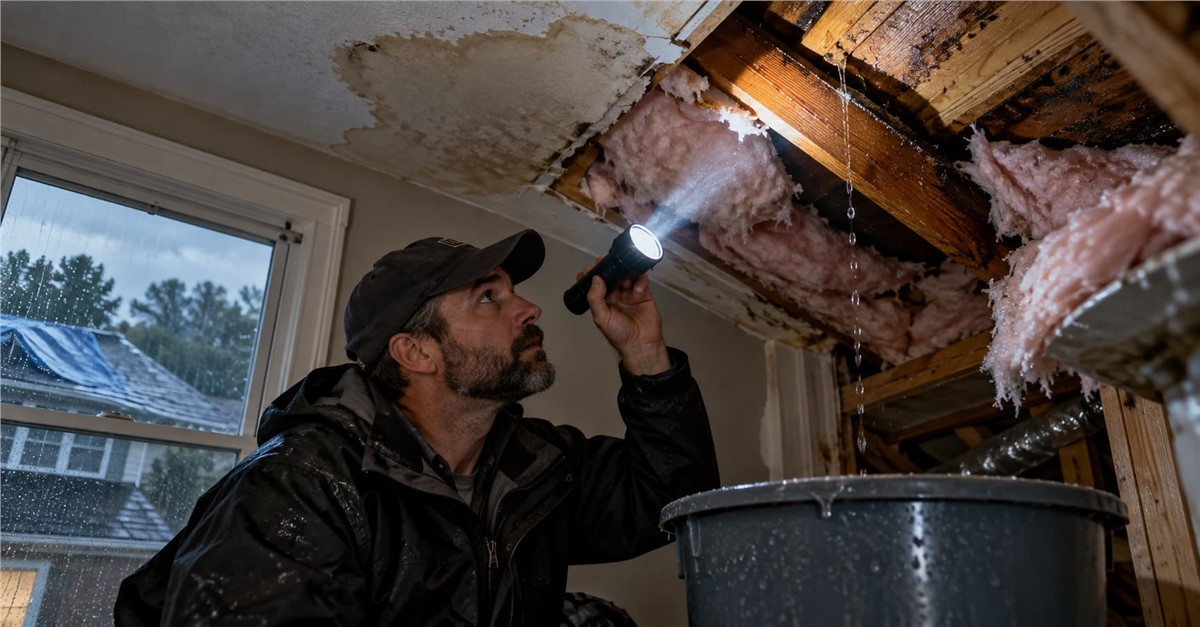
- Stained drywall: Yellow or brown marks around the skylight well usually mean water has been getting in for some time.
- Fogged glass: Moisture or haze between the panes points to a failed insulated glass seal.
- Damaged frame or shaft: Peeling paint, soft wood, or mold on the frame or light shaft signals repeated moisture exposure.
- Drafts: A chill or noticeable temperature change near the skylight suggests worn gaskets or weatherstripping.
- Visible damage: Cracked glass, crazed acrylic domes, or lifted shingles near the curb can often be spotted from the ground or attic and deserve a closer look.
Noticed one of these? Don't wait for the next storm to decide for you. Skylight problems tend to get a little worse with every rainfall, and handling them early keeps repairs simple, quick, and affordable.
How to Clean and Care For Every Part of Your Skylight
A skylight has more parts than most homeowners expect: the glass or acrylic, the frame, the seals, the flashing, and often screens and shades too. Each part wears out in its own way, so each one needs slightly different attention. The upside is that good skylight maintenance doesn't take special skills. A few basic supplies and an hour or two, twice a year, will cover most of it.
Interior Glass Cleaning
Begin on the inside, where the job is easiest and safest. Stir a few drops of mild dish soap into warm water, or mix equal parts white vinegar and water. Apply it with a soft microfiber cloth or a non-scratch sponge. If your skylight sits high above a vaulted ceiling, an extension pole with a swivel head (Unger makes good ones) lets you work from the floor instead of wobbling on a step stool.
Leave the abrasive pads, razor scrapers, and harsh solvents in the garage. They can scratch the glass or strip the low-E coating many manufacturers put on the panes to control heat and UV. Finish by drying each pane with a clean cloth so you don't end up with streaks or mineral spots.
Exterior Glass Cleaning and Roof Safety
The outside is where most injuries happen. If your roof is steep, wet, or higher than one story, clean the skylight from the ground with a hose and a long-handled brush, or hand the job to a professional. If you do go up, set the ladder on firm, level ground, extend it at least three feet above the roof edge, and keep three points of contact at all times. Never step on, kneel on, or lean against the skylight.
Keep pressure washers away from skylights. A high-pressure stream can drive water past the seals and under the flashing, creating the very leak you're trying to prevent. |
Acrylic domes call for a lighter touch because they scratch easily. Stick with plain water or a cleaner labeled safe for plastic, and rinse gently instead of scrubbing.
Frames, Screens, and Blinds
Give wood frames a quick inspection for peeling paint or soft spots. Bare wood absorbs condensation and will eventually rot, so touch up any exposed areas early. Vinyl and aluminum frames only need a wipe with soapy water. On venting skylights, find the small weep holes and condensation channels and clear them with a soft brush or pipe cleaner so moisture has somewhere to drain.
Run a vacuum with a brush attachment over the screens, and dust blinds with a dry cloth. If you have solar-powered shades, wipe off the little solar panel as well, since a film of dirt can stop it from charging properly.
Flashing, Seals, and Debris Around the Curb
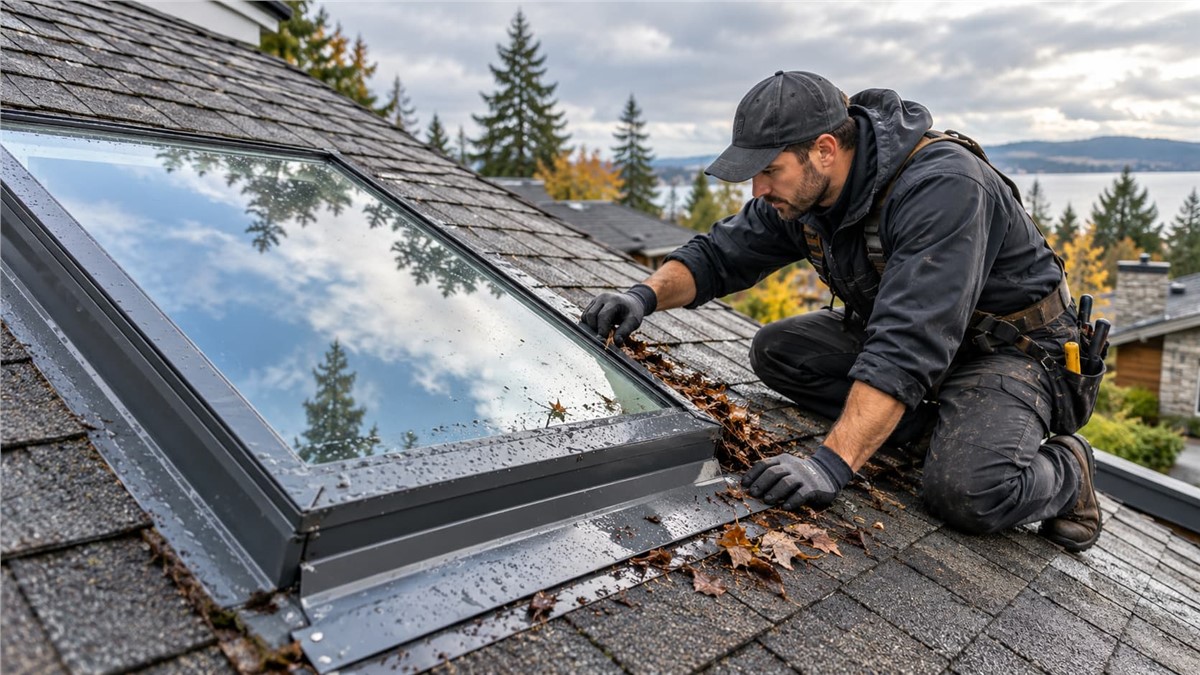
Most skylight leaks start at the curb, the raised box where the unit meets the roof. Leaves, pine needles, and twigs collect on the uphill side and hold water against the flashing for days after a storm. Clear that buildup by hand or with a soft brush, working from a ladder or with a long-handled tool from a secure spot.
While you're up there, take a close look at these common trouble spots:
- Rubber gaskets: cracking, shrinking, or gaps where they've pulled away from the glass.
- Metal flashing: rust, bends, or edges that are starting to lift.
- Shingles around the curb: curling, cracking, or bald patches where granules have worn off.
- Old caulk or roofing cement: splits, gaps, or sections that have peeled loose.
Avoid the temptation to slap fresh roofing cement over a problem area. Patching on top of failing flashing often traps water underneath and hides the damage until it spreads into your ceiling. If you notice any of these warning signs, have a roofing professional such as NV Roofing repair the area properly so the fix lasts.
Seasonal Schedules and Care by Skylight Type
Knowing how to clean a skylight gets you halfway there. The rest comes down to timing. DMV weather moves from humid, stormy summers to freeze-thaw winters, and each season stresses your skylight in its own way. The type of unit on your roof also shapes what needs your attention and when.
A Seasonal Checklist for DMV Weather
Breaking skylight maintenance into short seasonal visits keeps the work manageable and helps you catch damage soon after the weather that caused it. Here's a simple year-round sequence to follow:
- Early spring: Once the last hard freeze has passed, inspect the curb and flashing for damage from snow and ice that sat against the uphill side all winter. Then head into the attic and look for damp insulation or darkened decking near the skylight opening.
- Late spring: Clean the glass inside and out, clear the weep holes, and open and close venting units a few times to make sure they move smoothly before summer thunderstorms roll in.
- Late summer and early fall: After heavy storms, check for new ceiling stains and fallen branches, especially when tropical storm remnants sweep through the region.
- Late fall: When most of the leaves are down, clear debris from around the curb and close or lock venting skylights for the cold months ahead.
- All winter: Run kitchen and bathroom exhaust fans to keep indoor humidity in check, and let snow melt off on its own instead of climbing onto the roof to clear it.
Keep to this rhythm and you'll spend a few minutes each season rather than a full weekend (plus a repair bill) dealing with a problem that grew quietly for months.
Skylight Maintenance by Type: Fixed, Venting, and Tubular
Every skylight design has its own weak spots, so your routine should fit the unit you actually have. The table below compares the three most common types, where they tend to fail, and what to focus on during upkeep:
Maintenance Needs by Skylight Type
Type | Common Weak Points | Key Care Tasks |
Fixed | Insulated glass seal, flashing, curb | Glass cleaning, flashing checks, condensation control |
Venting | Gaskets, hinges, motors, rain sensors, weep holes | Test operation, clear drainage channels, inspect weatherstripping |
Tubular | Acrylic dome, flashing collar, tube joints | Rinse dome, check collar seal, look for condensation inside the tube |
Electric and solar venting models, such as those from VELUX, often come with a rain sensor that shuts the unit automatically when weather turns. Give that sensor a gentle wipe during spring cleaning so it can pick up the first drops. Tubular units need a different kind of attention: the tube runs through an unheated attic, so if the insulation around it is damaged, condensation can form and drip from the diffuser into the room below.
Repair vs. Replace: When an Aging Skylight Has Run Its Course
Many skylight problems have straightforward fixes. Worn gaskets, loose flashing, cracked weatherstripping, and dead motors can usually be repaired or swapped out without removing the entire unit.
Other signs point toward replacement. Fogged insulated glass, a crazed or yellowed acrylic dome, a rotted curb, or leaks that keep coming back after repeated repairs all suggest the skylight is near the end of its life. Some manufacturers do sell replacement glass panes, but once labor is factored in, the total can come close to the price of a new skylight that also performs better on energy.
If your roof is due for replacement and your skylight is showing its age, replace both together. Reinstalling an old skylight in a brand-new roof sets you up to pay for a second tear-out when that skylight fails. |
Still unsure whether your skylight needs a repair or a replacement? A roofer, like the team at NV Roofing, can inspect the curb, decking, and flashing from above and tell you honestly whether a fix will hold up.
DIY vs. Professional Care: When to Call a Roofer
Much of your skylight maintenance can be done from the floor with a microfiber cloth and a few minutes of attention. The dividing line sits where personal safety meets the roof's waterproofing. When a job requires walking on the roof, lifting shingles, or opening up flashing, the odds of causing a bigger problem climb fast.
Tasks You Can Safely Handle Yourself
Homeowners can comfortably take care of the routine, low-risk work. These are the jobs that belong on your list:
- Interior cleaning: wipe the glass and frames with a soft cloth and a mild, non-abrasive cleaner.
- Weep holes and channels: clear small drainage openings so condensation can exit instead of pooling.
- Screens: vacuum dust and cobwebs to keep airflow and light coming through.
- Regular checks: look at the ceiling around the skylight well after every heavy rain.
Your eyes are one of the best early warning tools you have. Twice a year, take a flashlight into the attic and look for damp insulation or dark spots on the decking near the curb. Snap dated photos of anything that looks off. Those pictures give a roofer a timeline and help them track down the source much faster.
Condensation is also something you can control from inside the house. Run bathroom and kitchen exhaust fans, keep humidifiers on moderate settings during winter, and open venting skylights a crack on dry days so trapped moisture has somewhere to go.
Jobs That Need a Professional Roofer
Any work that touches the waterproofing layer should go to a pro. Flashing has to be woven together with the shingles and underlayment in a precise sequence so water always flows downhill and away from the opening. Get that order wrong and nothing looks amiss until the next storm sends water into your ceiling.
The table below shows how common skylight tasks split between homeowners and professionals, along with the reasoning behind each call:
DIY vs. Professional Skylight Tasks
Task | Who Should Handle It | Why |
Interior glass and frame cleaning | Homeowner | Low risk and needs only basic supplies |
Clearing weep holes and condensation channels | Homeowner | Done from inside with simple tools |
Removing debris on a low, single-story roof | Homeowner, with caution | Safe only in dry weather with a proper ladder setup |
Diagnosing an active leak | Professional | Water travels, so the source is often far from the stain |
Replacing step, head, or sill flashing | Professional | Requires lifting shingles and reintegrating underlayment |
Replacing a fogged insulated glass unit | Professional | Parts are often manufacturer-specific, and poor installation can void warranties |
Any work on steep or two-story roofs | Professional | Calls for fall protection gear and training |
The stain on your ceiling is rarely right below the leak. Water can run along a rafter for several feet before it drips, so tracing it takes someone who can check both the attic and the roof. |
How NV Roofing Protects Skylights and the Roof Around Them
Our family-owned team has been working on roofs across Northern Virginia, Maryland, and D.C. since 1963, and we look at every skylight as one piece of the larger roof system. Each inspection covers the curb, the flashing, the surrounding shingles, and the attic side. Afterward, we walk you through what we found in plain language so you can decide on next steps with confidence.
Our factory-certified crews take on everything from targeted repairs to full roof replacements, and that work comes with strong warranties. If your roof is close to the end of its life, replacement is the ideal time to reflash your skylights so the new roof and its openings start out together. When storms roll through, we offer fast inspections, emergency tarping, and help with insurance claims. We also install seamless gutters and guards that carry water off the roof before it has a chance to back up around your skylights.
Want a trained eye on your skylight and the roof around it? Contact us
Conclusion
Skylights almost never give out overnight. They warn you first, usually with fog trapped between the panes, a faint stain on the drywall, or a pile of leaves wedged against the uphill side of the curb. If you spot those signs early, skylight maintenance stays a quick seasonal chore and never turns into an emergency call. Clean the glass gently, keep indoor humidity in check, and hand off anything that involves flashing or shingles to someone who's trained to work on a roof.
What comes next is easy. Choose a day this season, grab a flashlight, and look at three places: the ceiling around the skylight well, the attic near the opening, and the curb as you see it from the ground. Snap a few photos and note the date. If it all looks clean and dry, mark your calendar for the next check. If anything seems wrong, get a roofer out to take a look before the next storm finds the problem for you.
FAQs
How often should skylight maintenance be done?
Most homeowners should plan on a thorough check twice a year, ideally in spring and fall, along with a quick look at the ceiling after any major storm. Homes surrounded by trees may need extra debris clearing during peak leaf season.
What should I look for during a skylight inspection?
Check for water stains on the ceiling, haze between the glass panes, soft or discolored wood on the frame, and cracked rubber seals. From the attic, look for damp insulation or darkened wood near the skylight opening.
Is it normal for a skylight to drip water in winter?
Occasional winter dripping is often condensation from warm indoor air hitting cold glass rather than a true roof leak. Lowering indoor humidity with exhaust fans usually solves it, but drips that appear during rain point to a seal or flashing problem.
When should I call a professional for skylight maintenance instead of doing it myself?
Call a roofer whenever a job involves walking on a steep or multi-story roof, lifting shingles, or repairing flashing and seals. Homeowners can safely handle interior cleaning and visual checks, but waterproofing repairs need trained hands to avoid new leaks.
How long do skylights typically last before needing replacement?
A well-installed skylight usually lasts 15 to 20 years, though consistent skylight maintenance can push it toward the longer end of that range. Persistent fogging, recurring leaks, or a rotted curb are strong signs the unit is ready to be replaced.
Subscribe to NV Roofing's Blog