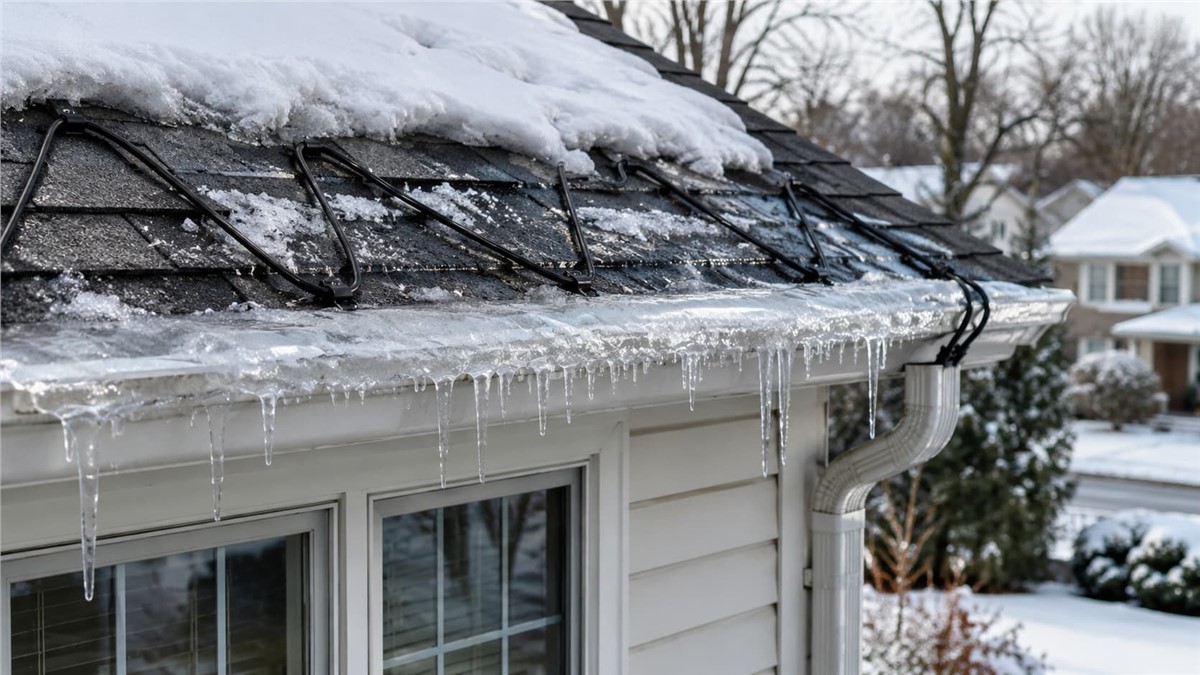
Heated gutters and roof heat cables only melt drainage channels through ice, so in the DMV they make sense mainly for stubborn trouble spots like Cape Cod knee-wall eaves, north-facing valleys, low-slope porch roofs, and areas near skylights. For most homes, sealing attic air leaks, adding insulation, and balancing ventilation stops ice dams at the source while lowering energy bills year-round. |
After a snowy week in Northern Virginia, Maryland, or D.C., you’ll spot ice dams along plenty of eaves. You might also notice a neighbor’s roof edge zigzagged with wire. Heated gutters look like the easy fix, and sometimes they are. Most of the time, they treat a symptom of a problem that starts in your attic.
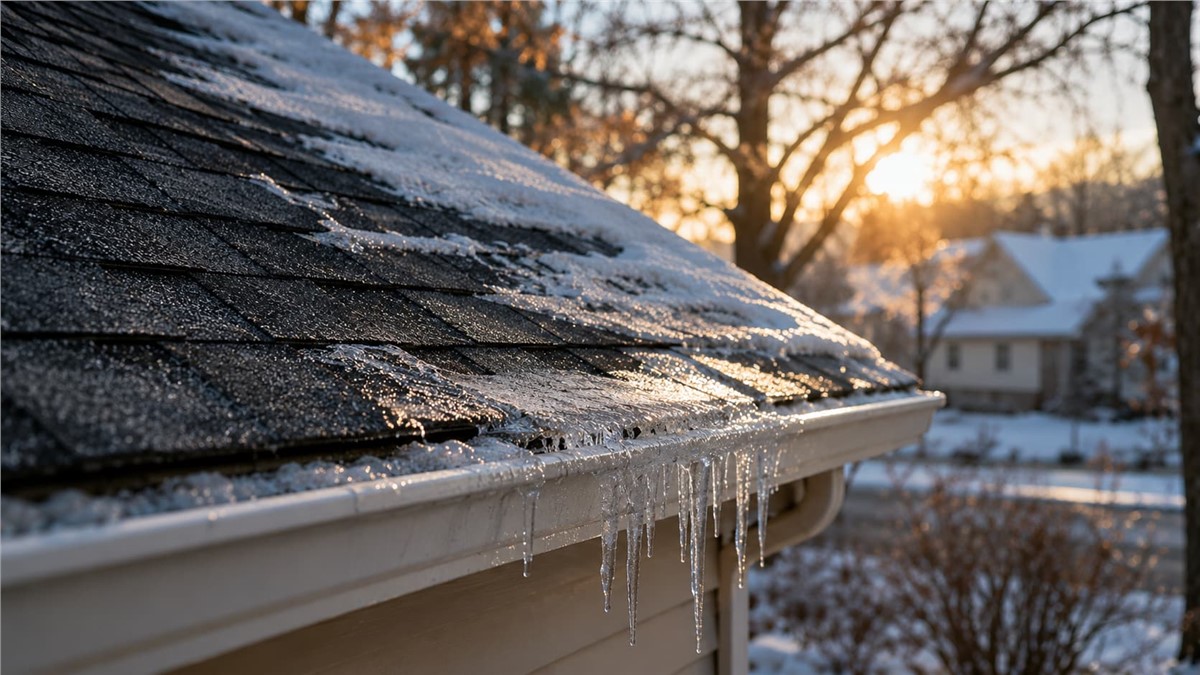
Here’s how ice dams form: attic heat melts snow on the upper roof, and that water refreezes at the colder edge. Roof heat cables can keep drainage paths open in a few stubborn spots. They do nothing to stop warm air leaking into your attic. This guide covers why DMV freeze-thaw winters cause ice dams, which trouble spots justify cables, and what they cost you in safety and maintenance. You’ll also get a simple way to diagnose your roof and fix the real cause.
Why Ice Dams Form on DMV Roofs
An ice dam is a heat problem that shows up as a water problem. Before you decide whether heated gutters make sense for your house, it helps to understand what’s happening above your ceiling and why our local winters make certain weeks much worse than others.
How Attic Heat Turns Snow Into Ice Dams
Picture your roof deck as having two separate climates. The section over your living space absorbs warmth from the rooms below. The overhang beyond your exterior wall hangs over open air and stays as cold as the outdoors. When the upper deck rises above freezing while the eaves stay below it, snow melts in one zone and refreezes in the other.
That warmth rarely comes from thin insulation alone. Air leaks around attic hatches, plumbing stacks, and wiring penetrations let heated air rise directly into the attic. Uninsulated ductwork and bath fans that vent into the attic instead of outdoors add more heat and moisture on top of that. Each night the ice ridge at the eave grows a little taller, and meltwater collects behind it until it works its way under the shingles and into your home.
What the DMV’s Freeze-Thaw Winters Mean for Your Roof
Northern Virginia, Maryland, and D.C. don’t get buried the way Buffalo or Minneapolis do. Snowfall here is moderate, and some winters deliver only a couple of real storms. What we get plenty of is temperatures hovering around 32°F: a sunny 40-degree afternoon followed by a night in the 20s, for example.
Those freeze-thaw cycles are what feed ice dams. A single snowfall can melt and refreeze several times before it disappears, adding another layer of ice at the gutter line with each round. In this region, ice dams tend to arrive in episodes, and their frequency varies widely from one year to the next. That unpredictability matters when you’re considering equipment that may sit unused for most of the season.
What Heated Gutters and Roof Heat Cables Actually Do
Roof heat cables (also sold as heat tape or de-icing cable) clip onto the shingles in a zigzag pattern along the roof edge and typically continue through the gutters and downspouts. Heated gutters take one of two approaches: they either build the heating element into the gutter itself or pair a cable with a guard designed to hold it in position.
Roof heat cables and heated gutters melt drainage channels through snow and ice. They don’t prevent ice dams across the whole roof, and they don’t change the attic conditions that create them. |
So what are you actually paying for? A set of escape routes for meltwater. Ice between and above the zigzags stays right where it is, and your attic keeps warming the roof deck exactly as it did before the cables went up. That’s why it’s worth looking at the source of the heat before treating the symptoms at the edge of your roof.
Trouble Spots Where Roof Heat Cables Make Sense
Roof heat cables are worth the money where fixing the root cause is difficult, expensive, or impossible without opening up finished walls and ceilings. If ice shows up in the same place every winter, and that place matches one of the four situations below, a short, targeted cable run (sometimes paired with heated gutters) makes a sensible backup plan.
Cape Cod and Knee-Wall Homes
Cape Cods fill the older neighborhoods of Arlington, Silver Spring, and Bethesda, and they attract ice dams like few other house styles. The upstairs rooms are tucked partly inside the roof, framed by short knee walls and sloped ceilings. The result is narrow rafter bays with little depth for insulation and almost no room for air to move.
Warm air leaks into the small attic pockets behind the knee walls and up through the sloped ceiling sections, keeping the roof deck warm directly above the living space. Dense-pack cellulose or spray foam can improve things, and a full reroof is the ideal time to add exterior insulation or build a vented roof assembly. In the meantime, roof heat cables along the eaves keep meltwater flowing off the edge instead of refreezing there.
Ice that returns to the same spot every winter is pointing at a heat leak. Cables can buy you time there, but the leak is still what needs fixing. |
North-Facing Roof Valleys
A valley forms where two roof planes meet, so it gathers extra snow and carries water from both sides. On a north-facing slope, the January sun hardly reaches it. Snow sits for days, and each afternoon’s melt runs down a channel that’s already lined with ice.
Cable placement makes or breaks the results here. If you only run cable along the eave, the dam often just moves higher, forming right above the heated strip. A proper valley layout runs cable up the valley and beyond the line of the exterior wall below, giving water a clear path from the valley all the way into the gutter.
Low-Slope Roof Sections
Porch roofs, shed dormers, and rear additions are often built with a shallow pitch. Water drains slowly on these surfaces, and shingles depend on gravity to shed it. Once even a small ridge of ice forms, water backs up under the shingle laps far faster than it would on a steeper main roof.
These sections also tend to cover porches or additions where the original builder cut corners on insulation. Before installing cable, check that an ice and water barrier sits beneath the shingles. Without one, cables only cover up a much larger weak point, and that membrane should come first.
Areas Near Skylights and Recessed Lights
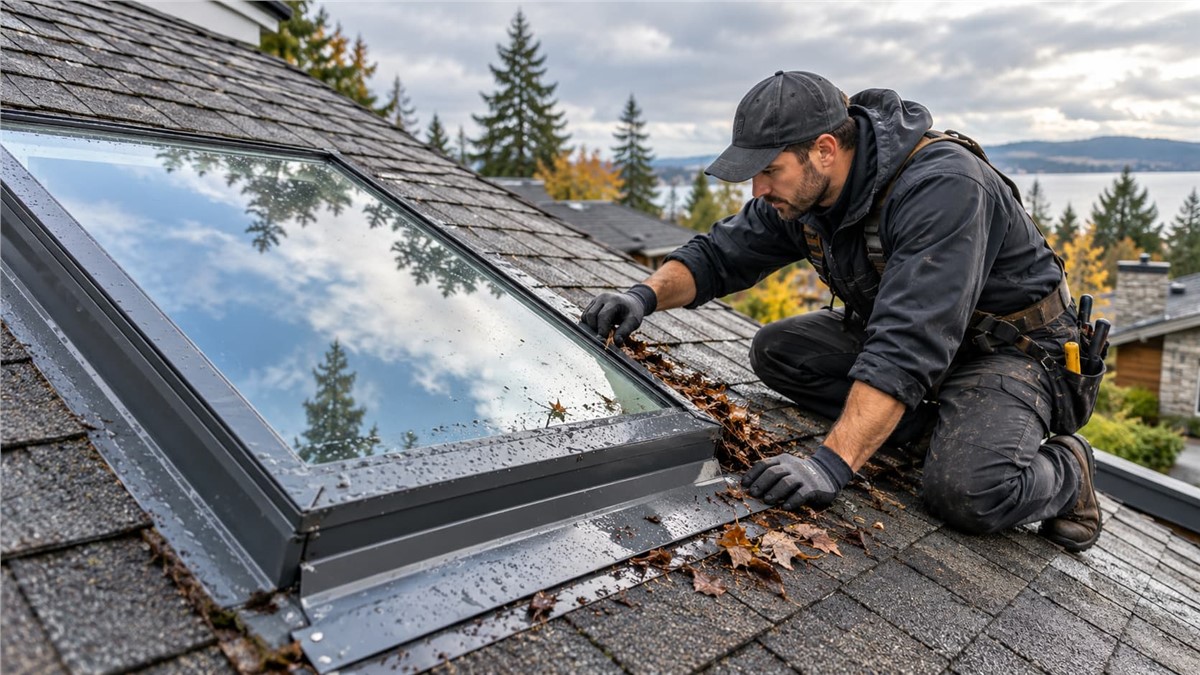
Skylights lose heat through both the glass and the shaft, warming the roof surface around the curb. Snow collects on the uphill side and melts unevenly, building a small dam exactly where the flashing is most likely to fail.
Recessed lights in a top-floor ceiling create the same problem. Older can lights that aren’t airtight or IC-rated (rated for direct insulation contact) push warm air into the attic, and you’ll often spot bare patches in the snow right above them. Replacing them with airtight LED fixtures and sealing the skylight shaft solves the underlying issue. Cables simply manage the overflow until that work is done.
Heated Gutters vs. Insulation and Ventilation: Costs, Risks, and Trade-Offs
Heated gutters and attic upgrades both cut down on ice damage, but they spend your money in very different ways. Cables are cheaper to install, then keep billing you through electricity, annual inspections, and eventual replacement. Insulation and ventilation cost more on day one, then pay you back with lower heating bills every month of the year.
Self-Regulating vs. Constant-Wattage Cables
If you decide to install roof heat cables, the type of cable matters more than the brand name on the box. Self-regulating cable, such as the systems sold under nVent Raychem, has a conductive core that increases its output as temperatures fall and dials it back as they rise. It’s widely regarded as the safer option, and it wastes less power on mild days.
Constant-wattage cable puts out the same heat whether it’s 10°F or 50°F outside. It costs less at the hardware store, but it carries a higher risk of overheating, especially where runs cross each other, touch, or end up buried under wet leaves in the gutter. Whichever type you choose, pair it with a controller that turns the system on only when moisture and freezing temperatures show up at the same time. Without one, you’re counting on someone to remember the switch at 6 a.m. on a snowy morning.
Safety, Electrical Code, and Roof Warranty Concerns
Permanently installed outdoor de-icing equipment falls under NEC Article 426, which requires ground-fault protection. An extension cord plugged into the porch outlet won’t meet that standard. Before the first freeze, have a licensed electrician check the circuit, the breaker, and any permit requirements in your area.
Your shingles need a look too. Clips that slide under the tabs can crack shingles that have turned brittle in the cold, and nailed or screwed fasteners punch new holes in your roof. Read your shingle manufacturer’s warranty before anything gets attached, because some mounting methods can affect your coverage. Plan for a yearly inspection as well, since UV exposure, squirrels, and debris gradually wear through cable jackets.
Why Air Sealing and Insulation Usually Win
Cables melt a few narrow channels through the ice. Fixing the attic keeps the entire roof deck cold, so snow melts evenly from the top down instead of running to the eaves and refreezing there. Sequence makes a real difference, and contractors who follow building-science practice handle the work in this order:
- Seal air leaks: close gaps at the attic hatch, top plates, plumbing stacks, wiring holes, and chimney chases with foam, caulk, and fire-rated sealant where code calls for it.
- Reroute exhaust fans: send bath and kitchen fans outdoors through a roof or wall cap so warm, moist air stops dumping into the attic.
- Fix attic ductwork: seal and insulate any ducts that run through the attic space.
- Add insulation: build up insulation over the sealed attic floor, with baffles at the eaves so the soffit vents stay clear.
- Balance ventilation: match intake and exhaust so cold outside air flows along the underside of the roof deck.
Follow that order and each step makes the next one work harder for you. Insulation piled over unsealed gaps is like wearing a sweater with the zipper wide open.
Cables only earn their keep during ice season. A sealed, insulated attic trims your heating bills in winter, eases the cooling load in summer, and keeps ice off the whole roof. |
For that reason, treat cables as a backup for the specific trouble spots covered above, and make the attic your main line of defense.
How to Fix Ice Dams the Right Way
Fixing ice dams starts with finding where heat escapes from your living space. After that, you give meltwater a clear path off the roof. Working in that order keeps you from paying to treat the symptom before you’ve dealt with the cause.
Step-by-Step: Diagnosing Your Ice Dam Problem
A first pass doesn’t require special tools. Grab a flashlight, wait for the morning after a light snowfall, and follow these steps in order:
- Read the roof from the yard: Note where snow melts first or icicles keep forming. Those spots usually sit right above your biggest heat leaks.
- Inspect the attic: Look for frost on nail tips, damp or stained sheathing, and insulation with dark streaks. Those streaks often mean air is moving through it.
- Follow the fan ducts: Trace every bath and kitchen exhaust duct to confirm it ends at an exterior vent and doesn’t dump warm, moist air into the attic.
- Seal the gaps first: Check around the attic hatch, plumbing stacks, chimney, and wiring holes, and seal them before you add any insulation.
- Check the airflow: Make sure insulation isn’t blocking the soffit vents and that intake and exhaust vents are roughly balanced.
- Decide on cable last: Once those fixes are in place, see whether a single stubborn trouble spot still needs a short run of roof heat cables.
Keeping Gutters, Guards, and Downspouts Ice-Ready
Clogged gutters make ice dams worse. Wet leaves freeze into a solid plug, and meltwater has nowhere to go except back up under the shingles. A late-fall cleaning, timed after the oaks and maples drop their last leaves, is one of the simplest ways to keep ice from building up. Gutter guards keep the troughs open between cleanings, and some designs are built to hold heat cable neatly if you decide to add it later.
If you do install roof heat cables, run them down through the downspout and out the bottom. Stopping at the gutter lets meltwater refreeze inside the pipe and back up into the trough. Inspect the cable every fall, too, since sun exposure and trapped debris slowly wear down the outer jacket.
Clean gutters and open downspouts help with ice whether or not you ever install heated gutters, so they should always come first. |
The table below shows what each common fix targets and which homes benefit most from it:
Ice Dam Fixes Compared
Fix | What It Addresses | Best For |
Air sealing | Warm air leaking into the attic | Nearly every home with ice dams |
Attic insulation | Heat passing through the ceiling | Attics with thin or settled insulation |
Balanced ventilation | Trapped warm, moist attic air | Attics with blocked soffits or weak exhaust |
Gutter cleaning and guards | Clogged drainage at the eaves | Homes near mature trees |
Roof heat cables | Blocked drainage in specific spots | Cape Cods, valleys, and low slopes after other fixes |
Getting Professional Help with Gutters and Insulation
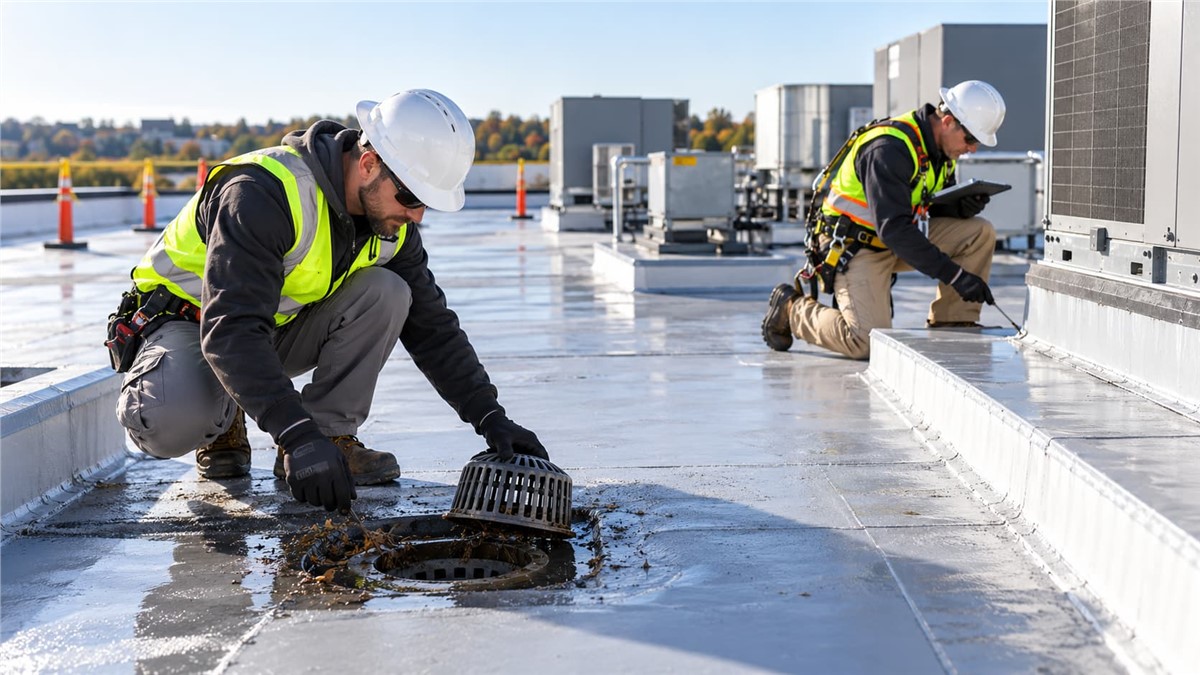
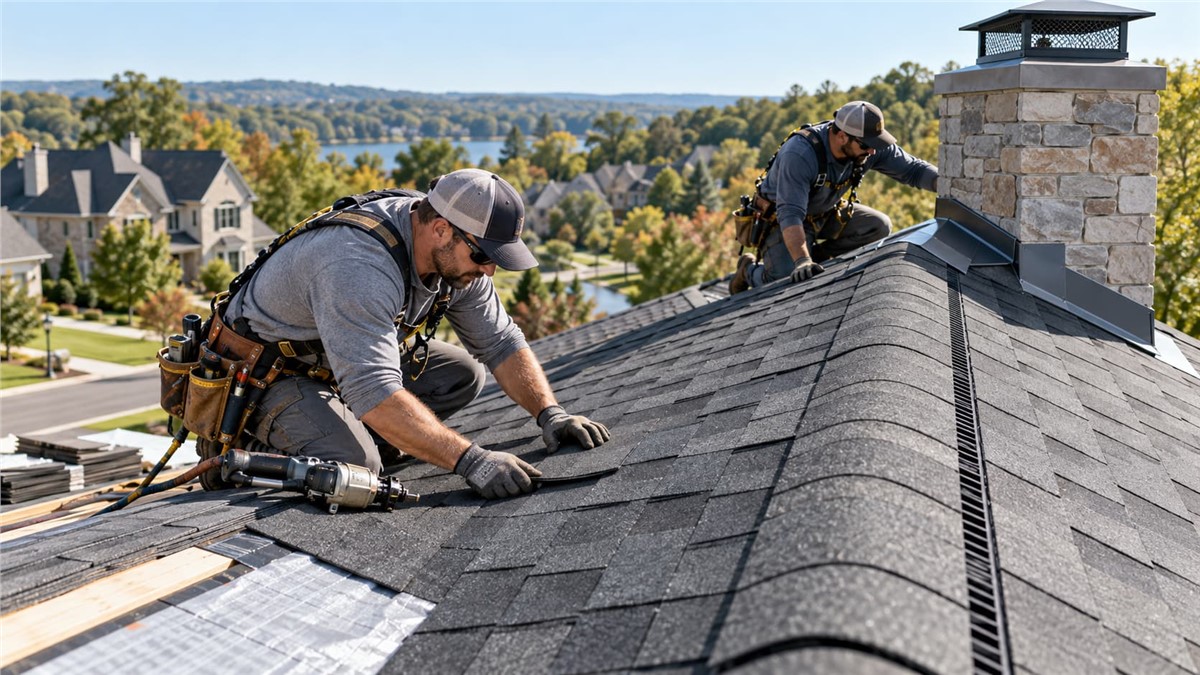
Plenty of this work is DIY-friendly. Crawling through a cramped knee-wall attic or climbing to a second-story gutter in January usually isn’t. A roofing crew can check the roof, gutters, and attic in a single visit, which matters because the leak, the insulation gap, and the clogged downspout are often pieces of the same problem.
Our team installs and repairs gutters, fits gutter guards, and upgrades attic insulation. We’ll also tell you honestly when heated gutters or roof heat cables are worth adding and when your money is better spent elsewhere. If ice keeps returning to the same eaves every winter and you want a clear plan to stop it, contact us.
Conclusion
Are heated gutters worth the money in the DMV? For a handful of homes, they are. Maybe you own a Cape Cod with tight knee walls, or there’s a shaded valley on your roof that turns to ice every January, or you’ve got a low-slope porch roof that’s tough to insulate from underneath. In those cases, a short run of roof heat cables in the right spot is decent insurance. For most other houses, though, you’ll get more out of spending that money in the attic. Fixing things up there keeps ice from forming at all, and it cuts your energy bills through every season.
You don’t have to wait for snow to get started. Before the first hard freeze, clean out your gutters and downspouts. After that, grab a flashlight and spend about fifteen minutes in the attic. Check for frost, stained sheathing, and any fan ducts that stop short and dump air into the attic instead of outside. Jot down what you see. That quick list will tell you whether your roof needs cable, a tighter attic, or a bit of both.
FAQs
Are heated gutters worth installing on a house in Northern Virginia or Maryland?
Heated gutters usually pay off only at stubborn spots like Cape Cod eaves, shaded valleys, or low-slope porch roofs. For most DMV homes, air sealing and insulating the attic does more to prevent ice dams and also lowers energy bills.
When should roof heat cables be turned on during winter?
The best approach is an automatic controller that powers the cables only when it senses both moisture and freezing temperatures. If you switch them on manually, turn them on before snow starts falling and leave them running until meltwater drains freely.
Can I install roof de-icing cables myself?
Plug-in kits are sold for DIY use, but permanently installed systems need ground-fault protection and should be wired by a licensed electrician. Check your shingle warranty before attaching any clips or fasteners to the roof.
How much does it cost to run heated gutters through a DMV winter?
Operating costs depend on the cable’s wattage per foot, the length of the run, and how many hours it stays on. Self-regulating cable paired with a sensor-based controller costs far less to run than constant-wattage cable left on all season.
What is the safest way to remove an ice dam that has already formed?
Use a roof rake from the ground to clear snow from the lower few feet of the roof, then lay a calcium chloride-filled stocking across the dam to melt a drainage channel. Avoid chipping ice with hammers or using rock salt, since both can damage shingles and gutters.
Subscribe to NV Roofing's Blog