Commercial buildings with roof pitches of 2:12 or less need commercial low slope roofing systems designed specifically for minimal water drainage. These roofs cover most office buildings, warehouses, and retail centers because they maximize interior space and reduce construction costs.
Property managers face real challenges with low slope roofs. Water pooling, membrane damage, and energy inefficiency can drain budgets fast. The right roofing system prevents these problems while cutting maintenance costs by up to 40% over 20 years. This guide covers the five main low slope roofing materials, installation requirements, and proven maintenance strategies that keep your roof performing. You'll learn which systems work best for different climates, how to spot early warning signs of failure, and when repairs make more sense than replacement.
Understanding Commercial Low Slope Roofing Systems
Commercial low slope roofing works differently than the steep roofs you might see on houses. These specialized systems need unique approaches to keep water out and perform well over time. Whether you're managing a warehouse, office building, or retail center, understanding how these roofing systems work can help you make better decisions for your property.
What Defines Low Slope Commercial Roofing
Low slope roofs have a gentle incline, typically measuring 2:12 or less in slope ratio. These roofs have a slope of less than 3-in-12, meaning they rise less than 3 inches vertically for every horizontal foot. Here's what makes them different: while steep roofs let gravity do most of the work moving water away, low slope systems need to create a completely sealed barrier that stops water from getting through anywhere.
This creates a unique challenge. Since water can't rush down the roof quickly, the entire surface must work as one continuous, waterproof membrane. Every seam, every edge, and every penetration needs careful attention. The materials and installation methods have to be specifically designed for these flatter applications where water might sit longer before reaching a drain.
| Commercial low slope roofing systems must form a completely watertight membrane since they cannot rely on gravity for effective water drainage like steep-slope roofs. |
Key Benefits for Commercial Properties
Commercial properties get several practical advantages from low slope roofing systems. First, you maximize your usable space inside the building. Without steep roof structures eating into your square footage, you can have higher ceilings and more efficient layouts. Installation typically costs less too, since contractors can access and work on the roof more easily.
Energy savings add up over time as well. Many low slope membrane materials reflect heat instead of absorbing it, which can cut your cooling costs during hot months. The flat surface also gives you flexibility - you can install HVAC equipment, solar panels, or other building systems right on the roof without worrying about steep angles or awkward mounting solutions.
Common Applications and Building Types
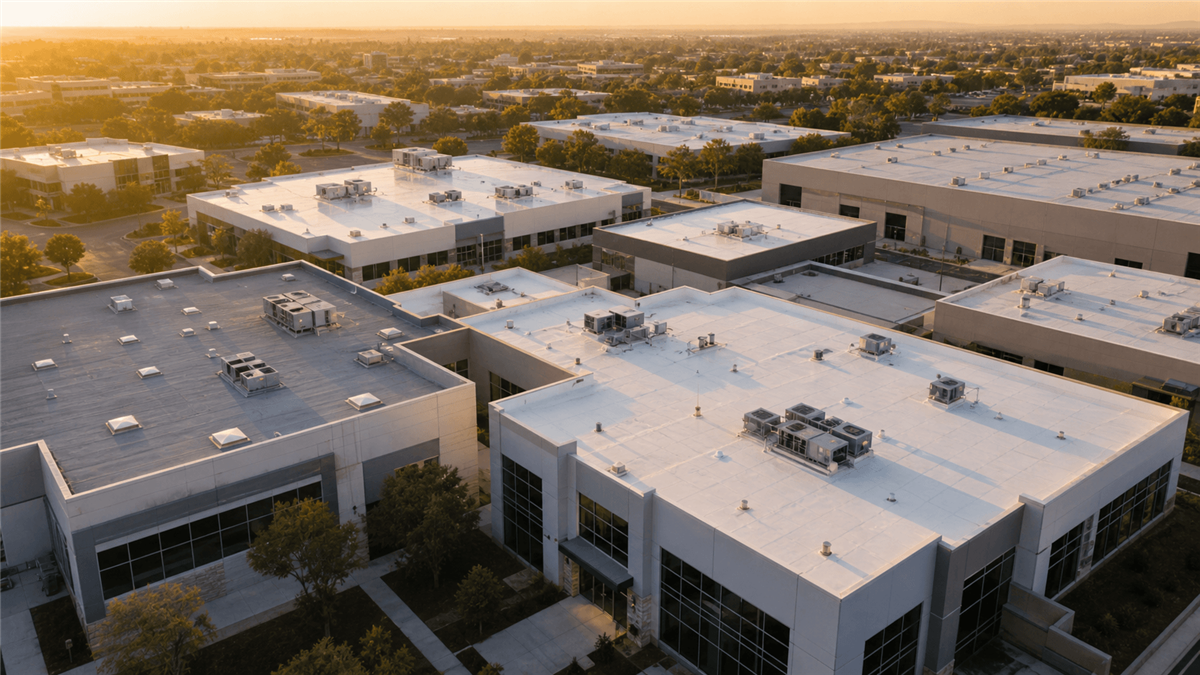
You'll find low slope commercial roofing on buildings where practicality and cost control matter most. Warehouses and distribution centers use these systems because they need large, open interior spaces and economical coverage across huge roof areas. Office buildings choose them to keep mechanical equipment accessible while maintaining clean, professional exterior lines.
Retail centers, manufacturing facilities, and apartment complexes also frequently feature these roofing systems. Government buildings, schools, and medical facilities often use them too, especially when reliable performance and easy maintenance access are priorities for long-term building operations. The flexibility of these systems makes them adaptable to almost any commercial application where function takes precedence over architectural flair.
Types of Low Slope Commercial Roofing Materials
Your choice of membrane material shapes how well your low slope roof performs for decades to come. Each roofing system brings unique strengths that work better in certain climates, budgets, and building situations. Getting familiar with these differences helps you protect your investment with confidence.
EPDM Rubber Roofing Systems
EPDM (Ethylene Propylene Diene Monomer) stands up to extreme temperature swings and harsh weather without missing a beat. This synthetic rubber membrane comes in large sheets that keep seams to a minimum, which means fewer spots where leaks might develop across your roof surface. EPDM offers excellent resistance to weathering, UV rays, and extreme temperatures, making it suitable for various climates.
What makes EPDM practical for many commercial buildings is its installation flexibility. Your contractor can install it fully adhered with adhesives, mechanically fastened, or held down with ballast stones. The black membrane soaks up heat, which actually works in your favor if you're in a colder climate - it can help cut heating costs during winter months.
TPO Single-Ply Membranes
TPO (Thermoplastic Polyolefin) has become increasingly popular because it delivers both durability and energy savings. This white or light-colored membrane bounces sunlight away rather than soaking it up, which keeps your cooling costs in check during hot summers. The heat-welded seams form strong bonds that stand up to wind uplift and keep moisture out.
TPO handles punctures and tears better than many alternatives, even when maintenance crews need to walk on it regularly. The membrane also adapts well to temperature changes without getting brittle or losing its flexibility over the years.
|
TPO membranes are particularly valued for their energy efficiency, reflecting sunlight and helping to reduce heating costs while maintaining impressive durability and puncture resistance.
|
Modified Bitumen Solutions
Modified bitumen systems take asphalt and enhance it with rubber or plastic modifiers to create flexible, long-lasting membranes. These sheets are typically comprised of bitumen that has been modified with either atactic polypropylene (APP) or styrene butadiene styrene (SBS), giving the sheets plasticized or rubberized qualities respectively.
These systems make sense for buildings that need superior tear resistance or where you might need repairs more often. The multi-layer setup gives you backup protection - if one layer runs into trouble, the layers underneath keep protecting your building while you plan repairs.
Built-Up Roofing (BUR) Systems
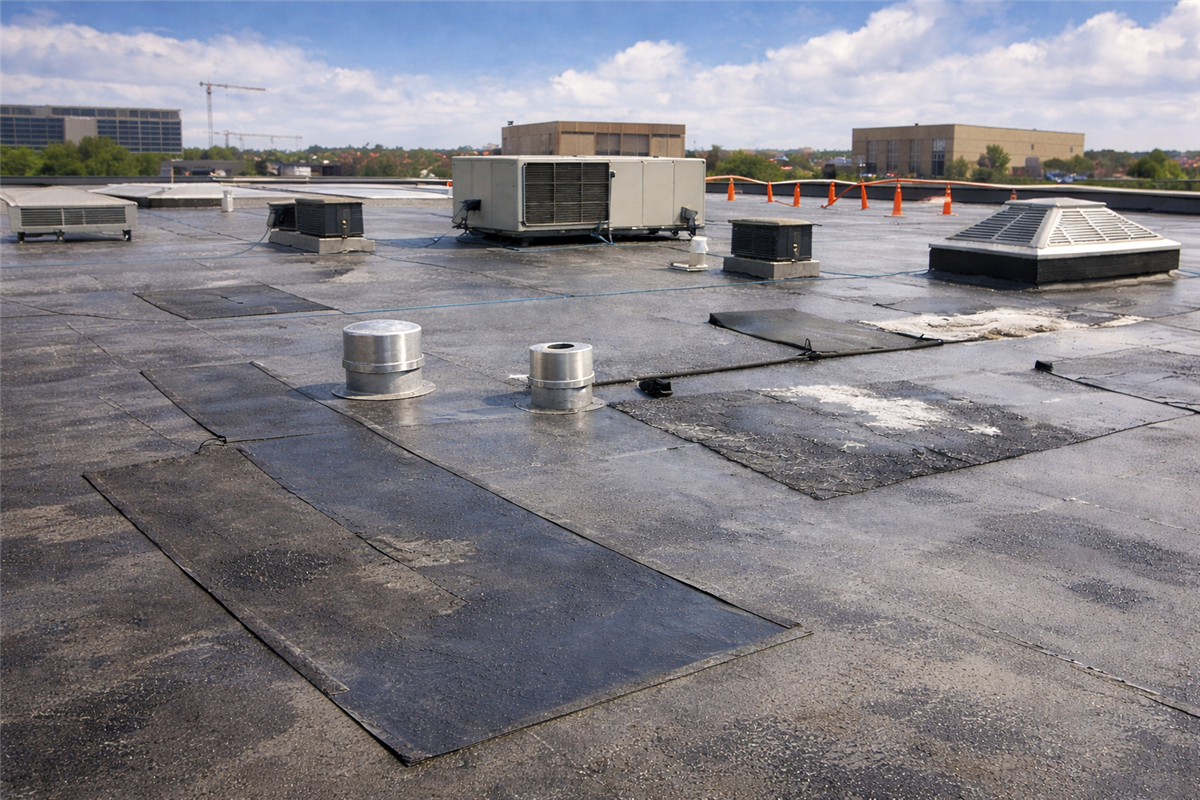
BUR systems build thick, multi-layer membranes using alternating layers of bitumen and reinforcing fabrics. This time-tested approach creates protection layer by layer, with each one adding strength and waterproofing power. The final surface usually includes gravel or mineral granules that shield against UV damage and provide fire resistance.
These systems work well in high-traffic situations where equipment or maintenance crews regularly access the roof. The thick construction handles wear and tear better than single-ply systems, though installation takes more time and needs skilled crews who know how to work with hot asphalt.
PVC Membrane Options
PVC (Polyvinyl Chloride) membranes resist chemicals better than most other options, making them perfect for buildings with restaurant exhaust, manufacturing processes, or other sources of airborne contaminants. The heat-welded seams create watertight connections that stay strong even when exposed to grease, oils, or industrial chemicals.
Commercial Low Slope Roofing Material Comparison
Here's how the main low slope roofing materials stack up against each other, showing their best applications and what makes each one stand out:
| Material Type | Best For | Typical Lifespan | Key Advantage |
|---|---|---|---|
| EPDM | Cold climates, budget-conscious projects | 20-30 years | Extreme weather resistance |
| TPO | Energy efficiency, hot climates | 15-25 years | Heat reflection, puncture resistance |
| Modified Bitumen | High foot traffic, repair flexibility | 15-20 years | Superior tear resistance |
| BUR | Heavy equipment, high-traffic roofs | 20-25 years | Maximum durability |
| PVC | Chemical exposure, restaurants | 20-30 years | Chemical resistance |
Installation Process and Best Practices
Getting your commercial low slope roofing installation right from the start takes careful planning and skilled execution. Your roof's long-term performance depends just as much on how it's installed as what materials you choose. Each step in the process builds on the previous one, creating a protective system that keeps your building safe for years to come.
Pre-Installation Assessment Requirements
Before your roofing materials even arrive, your contractor needs to complete a detailed structural evaluation. This assessment checks whether your deck can support the new roofing system's weight, looks for existing moisture issues, and spots areas needing repair before installation starts. The evaluation also includes precise roof measurements and documentation of all penetrations, equipment locations, and drainage points.
Weather timing makes a huge difference in installation success. Most membrane systems need specific temperature ranges and dry conditions to bond properly. Your contractor should schedule installation around weather forecasts and have backup plans for unexpected conditions that could affect installation quality.
Drainage System Design Considerations
Smart water management begins with proper slope design, even on low slope roofs. Your roof needs sufficient incline to guide water toward drains without creating spots where water pools for long periods. Proper commercial roof construction involves careful attention to building elements and potential problems during the planning phase.
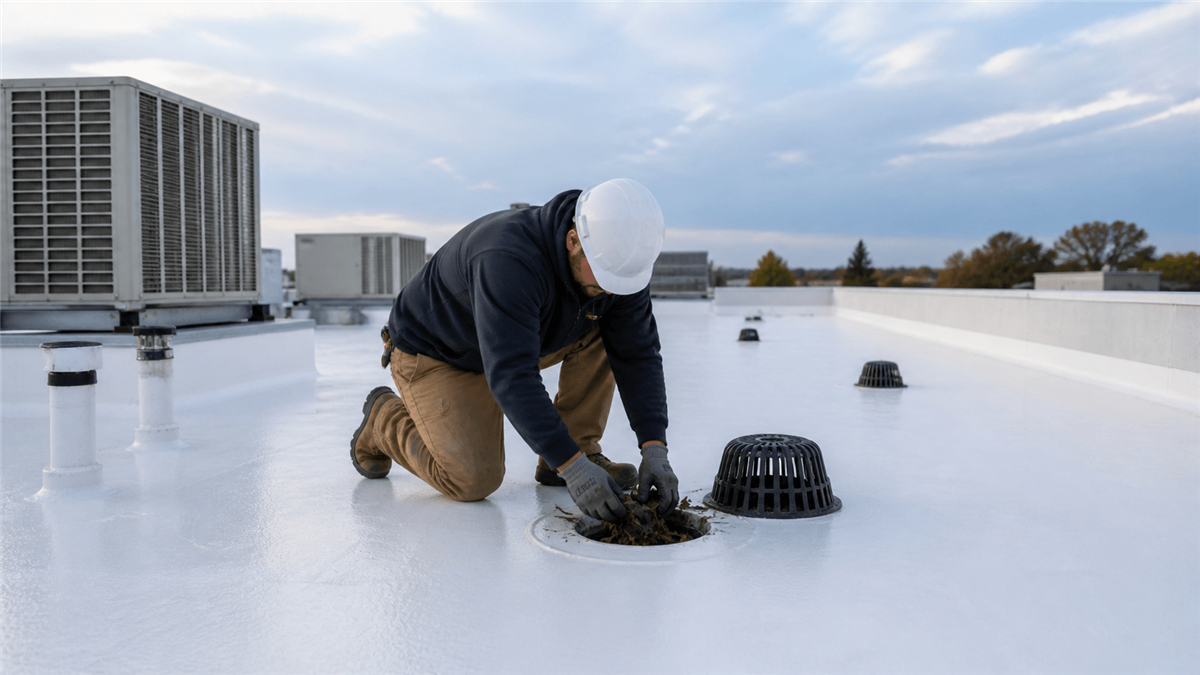
Drain placement and sizing must handle your area's heaviest rainfall rates. Contractors calculate drain capacity using local weather data and roof area, then position drains at the lowest points with appropriate spacing. Overflow drains provide backup protection when primary drains get clogged, preventing water from accumulating to dangerous levels.
Membrane Installation Techniques
Professional membrane installation follows specific procedures that change based on material type. Here's the essential process for single-ply membrane installation:
Surface preparation: Clean and prime the substrate, ensuring it's completely dry and free of debris or contaminants that could prevent proper adhesion.
Membrane positioning: Roll out sheets according to the layout plan, allowing proper overlap at seams and keeping material relaxed to prevent stress points.
Seam creation: Use heat welding, adhesive bonding, or mechanical fastening based on the membrane type, following manufacturer specifications for temperature and pressure.
Penetration sealing: Install proper flashing and sealing around all roof penetrations, creating watertight transitions from horizontal to vertical surfaces.
Edge attachment: Secure perimeter edges with appropriate termination methods, ensuring wind uplift resistance meets local building codes.
Following these steps systematically creates a watertight membrane system that performs reliably throughout its service life.
|
Proper seam welding is the most critical aspect of single-ply membrane installation - a poorly welded seam will fail long before the membrane material itself shows wear.
|
Quality Control and Inspection Protocols
Quality control happens throughout installation, not just at the end. Experienced contractors inspect each phase before moving to the next step. Substrate preparation gets checked for proper moisture content and surface conditions. Seam welding receives immediate testing using probe tools or electronic leak detection to verify complete bonding.
Final inspection includes water testing in critical areas, documentation of all installation details, and verification that the system meets warranty requirements. This thorough approach catches problems when they're still easy to fix, rather than after the roof starts leaking months later.
Maintenance and Professional Partnership Solutions
Your commercial low slope roofing investment requires ongoing attention to deliver maximum value throughout its service life. Well-planned maintenance programs stop minor issues from turning into costly disasters while significantly extending your roof's lifespan. Building strong relationships with experienced contractors gives you a strategic edge that protects both your property and your budget.
Preventive Maintenance Schedules
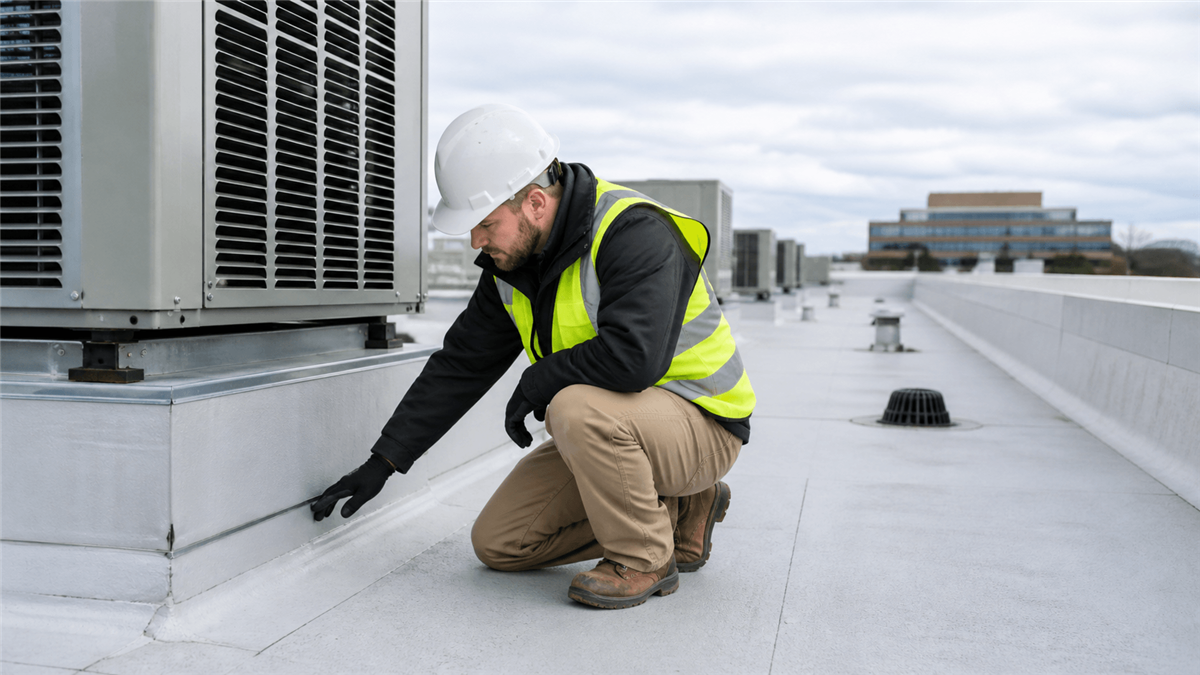
Regular roof inspections identify problems before they cause interior damage or upset tenants. Most successful property managers schedule thorough inspections twice yearly - once in spring to assess winter damage and again in fall before harsh weather returns. These inspections examine membrane condition, drainage function, and equipment mounting points for signs of wear or damage.
Your maintenance program should also include immediate post-storm evaluations beyond scheduled inspections. High winds, hail, and heavy rains can damage even properly installed systems. Quick response after severe weather helps document insurance claims accurately and prevents water intrusion from causing additional problems inside your building.
NV Roofing's Priority Plus maintenance program takes this approach further by providing asset management with scheduled inspections, priority emergency response, and detailed reporting that helps property managers plan budgets and track roof performance over time.
Emergency Response Planning
When roof emergencies happen, response time determines how much damage occurs inside your building. Water intrusion can destroy inventory, disrupt operations, and create liability issues with tenants. Having emergency contacts established before problems occur saves precious hours when every minute counts.
|
Emergency response planning isn't just about fixing the roof - it's about minimizing business interruption and protecting your reputation with tenants and customers.
|
Professional emergency response includes temporary weather protection, damage assessment, and coordination with insurance adjusters. Experienced contractors maintain 24/7 availability and stock emergency repair materials to handle urgent situations quickly. This rapid response capability protects your property value and keeps tenants satisfied during stressful situations.
Long-term Asset Management Strategies
Strategic roof management looks beyond immediate repairs toward long-term property value optimization. This includes tracking performance data, planning capital improvements, and timing major renovations to align with lease renewals or property refinancing cycles.
Maintenance Program Comparison
Understanding your maintenance options helps you choose the right approach for your property. Here's how different maintenance strategies compare in terms of protection and cost management:
| Maintenance Approach | Response Time | Cost Control | Best For |
|---|---|---|---|
| Reactive Repairs Only | After problems develop | Unpredictable, high emergency costs | Small single properties |
| Annual Inspections | Scheduled assessment | Moderate, some planning possible | Medium-sized portfolios |
| Complete Program | Preventive and priority emergency | Predictable, budget-friendly | Large commercial properties |
Working with experienced commercial roofing professionals creates partnerships that extend far beyond individual repair projects. These relationships provide access to industry expertise, bulk purchasing power for materials, and strategic planning support that helps maximize your roofing investment returns. Contact us to discuss how our commercial maintenance programs can protect your property investment.
Making the Right Choice for Your Property
The commercial low slope roofing decision you make today will impact your property's performance and operating expenses for many years ahead. Each of the five membrane types performs best under different circumstances - EPDM handles temperature fluctuations well, TPO offers energy efficiency benefits, modified bitumen works great for high-traffic areas, BUR provides outstanding durability, and PVC resists chemical exposure. Getting the best results means selecting the material that fits your building's specific needs, local weather patterns, and how the space gets used.
How well your roof gets installed and maintained determines whether it lasts as long as it should. Professional installation that follows manufacturer guidelines prevents early failures, while regular maintenance programs identify issues before they become major problems and help your roof last longer. Property managers who focus on these basics typically spend less on total ownership costs and deal with fewer emergency repairs that disrupt operations.
FAQs
How much does commercial low slope roofing cost per square foot?
Commercial low slope roofing typically costs between $4-12 per square foot installed, with EPDM being the most budget-friendly option and PVC systems commanding premium prices. Total project costs depend on roof size, material choice, existing conditions, and local labor rates.
What is the minimum slope required for a commercial flat roof?
Commercial flat roofs need a minimum slope of 1/4 inch per foot (about 2%) to ensure proper drainage. This slight incline prevents water from pooling while still being classified as a low slope system.
How long do commercial low slope roofing systems typically last?
Most commercial low slope roofing systems last 15-30 years depending on the material, with EPDM and PVC offering the longest lifespans at 20-30 years. Proper installation and regular maintenance significantly extend these timeframes.
Can you install solar panels on low slope commercial roofs?
Yes, low slope roofs are excellent platforms for solar installations because they provide stable, accessible surfaces with minimal shading issues. The flat design allows for optimal panel positioning and simplified mounting systems.
What causes most commercial flat roof failures?
Poor drainage leading to standing water accounts for the majority of commercial flat roof failures, followed by inadequate seam installation and lack of regular maintenance. These issues are preventable with proper design and ongoing care.
Subscribe to NV Roofing's Blog