| Commercial property managers can extend commercial roof life from 20 years to 40+ years through biannual professional inspections, timely minor repairs, proper drainage maintenance, and thorough documentation that also strengthens insurance positioning. Roof restoration coatings offer a cost-effective alternative to full replacement when the underlying membrane is structurally sound, and structured programs like RCI scoring turn roof management from reactive guesswork into data-driven capital planning. |
Most commercial flat roofs last around 20 years. But that number says more about how roofs are typically managed than how long they can actually perform. With the right maintenance approach, you can extend commercial roof life to 30 or even 40 years.
The difference comes down to what happens before something goes wrong. Reactive repairs cost more, cause more disruption, and chip away at the roof's overall lifespan every time a small problem becomes a big one.
This guide covers the specific causes of premature roof failure, the maintenance steps that actually move the needle, and how a structured plan compares to the default "call someone when it leaks" approach. Whether you manage one building or a portfolio across the DMV region, you'll get a clear framework for protecting one of your most expensive capital assets.
Why Commercial Roofs Fail Earlier Than Expected
A commercial roof doesn't just suddenly give out. Failure is almost always a gradual process, driven by a combination of environmental exposure and management gaps that quietly stack up over time.
Common Causes of Premature Roof Deterioration
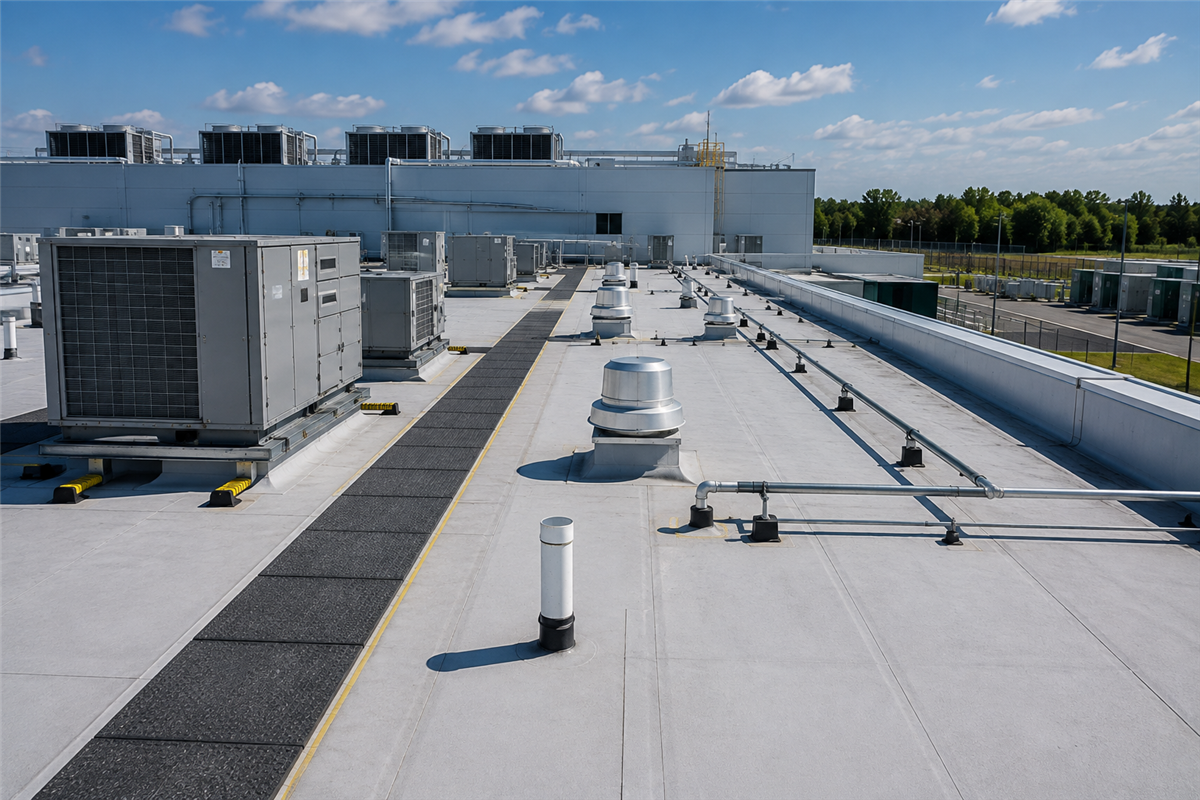
Low-slope commercial roofing systems, whether TPO, EPDM, modified bitumen, or built-up roofing, share a common set of vulnerabilities. UV radiation breaks down membrane elasticity over years of exposure. Freeze-thaw cycles in the DMV region are particularly harsh, causing materials to expand and contract repeatedly until seams separate and flashing pulls away from penetrations.
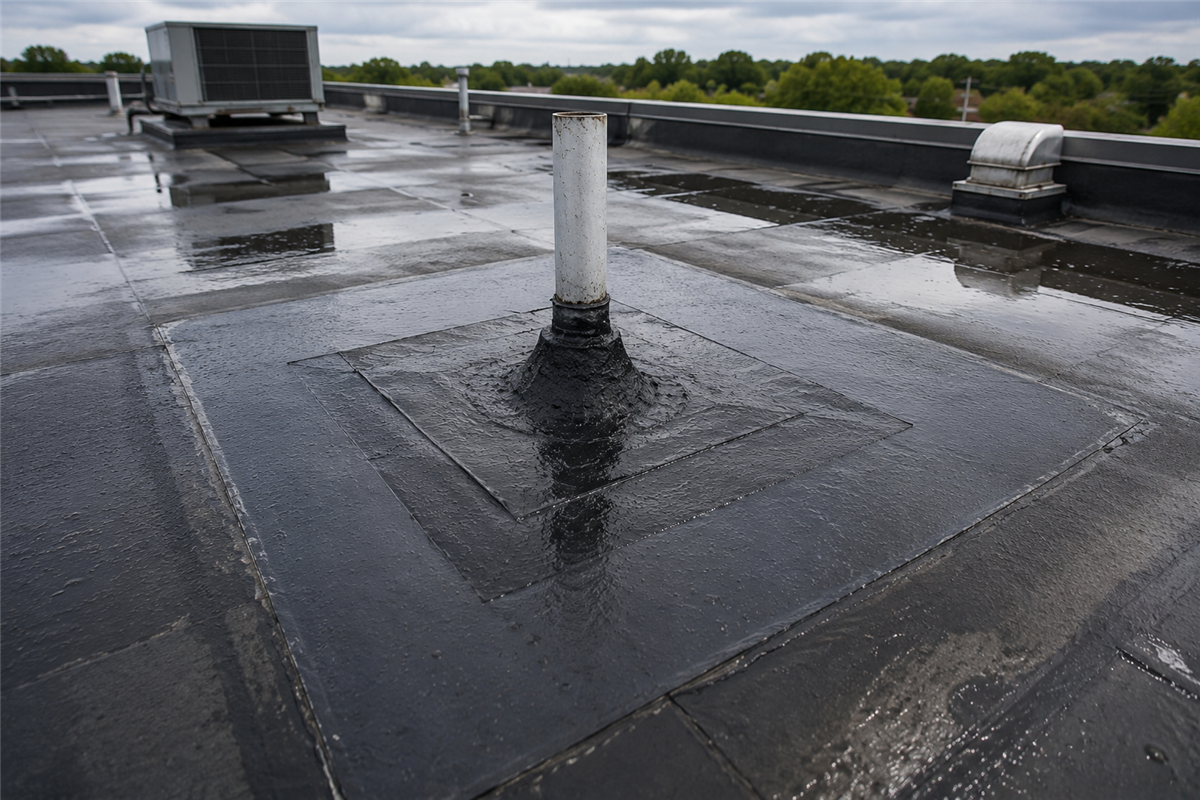
Blocked or poorly maintained drainage is another major culprit. When water ponds on a flat roof for more than 48 hours, it speeds up membrane degradation, adds structural load, and creates entry points at every seam or fastener. Then there's the damage you can't see from ground level: moisture trapped beneath the membrane that slowly saturates insulation and decking without any visible leak inside the building. The problem with hidden moisture is that it doesn't announce itself. You won't notice anything until water shows up on a ceiling tile, and at that point, the underlying damage is often extensive. Professional inspections using tools like electronic leak detection and moisture mapping can catch these hidden issues well before they escalate.
The Hidden Cost of Reactive Roof Management
This is where things get expensive. Most commercial properties operate on a reactive model: something leaks, someone calls a contractor, and the repair gets handled as an emergency. That emergency premium is real. Reactive repairs typically cost three to five times more per square foot than the same issue addressed through scheduled preventive maintenance.
A small seam separation caught during a spring inspection might cost a few hundred dollars to fix. Left unaddressed for 18 months, that same deficiency can turn into a $30,000 capital event involving membrane replacement, insulation removal, and interior damage remediation.
Beyond the direct repair costs, reactive management creates budget unpredictability. You can't forecast capital expenditures when you don't actually know the condition of your roof systems. And for property managers reporting to boards or ownership groups, "we didn't know" is never a comfortable position to be in. The compounding effect of deferred maintenance is the single biggest reason commercial roofs fall short of their potential service life.
How to Extend Commercial Roof Life: 5 Practical Steps
Understanding why roofs fail early is useful. Acting on that knowledge is what actually saves money. The five steps below aren't pulled from a textbook. They're the same practices that separate buildings still performing well at 35 years from those facing full replacement at 18.
1. Schedule Biannual Professional Inspections
Twice a year is the minimum. The best timing is spring (to assess winter damage and prepare for summer UV exposure and heat) and fall (to clear drainage and tighten everything up before freezing temperatures return). A trained inspector evaluates membrane condition, flashing integrity, penetration seals, drainage performance, and moisture indicators. None of that is visible from the parking lot.
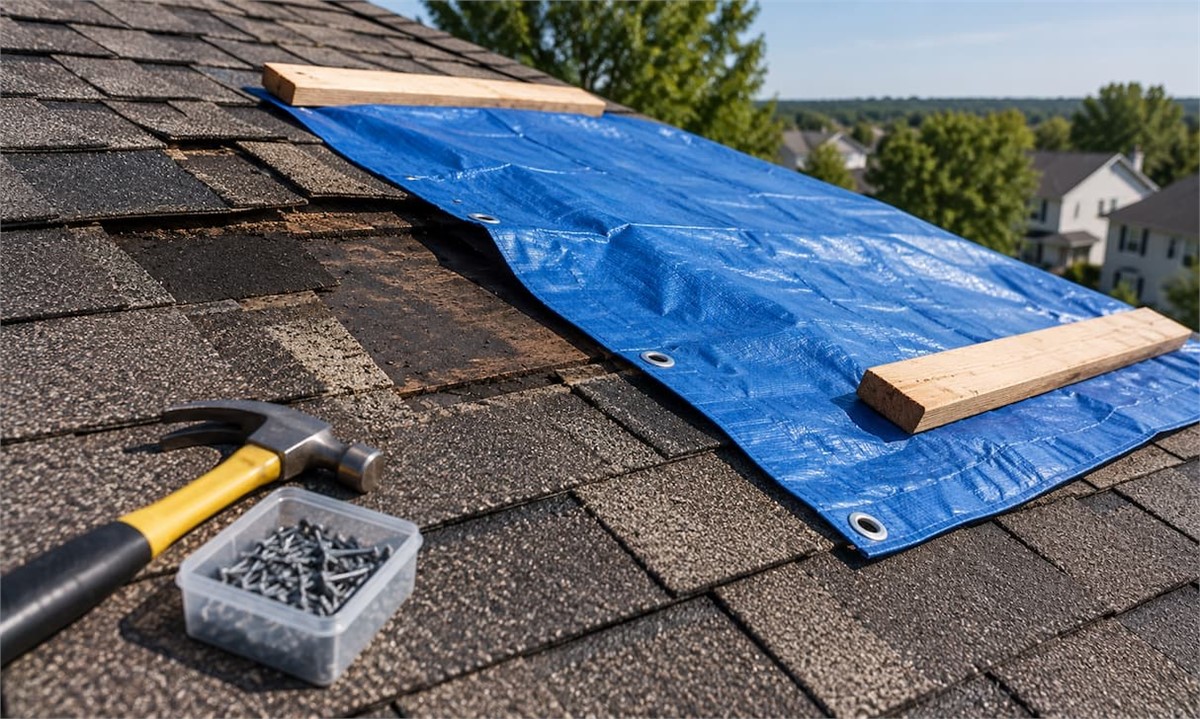
Storm events call for additional inspections beyond the biannual schedule. Wind, hail, or heavy rain can create damage that looks minor on the surface but compromises membrane adhesion or flashing at dozens of points. The sooner you catch it, the less you spend on repairs, and the stronger your insurance documentation will be if you need to file a claim.
2. Address Minor Deficiencies Before They Compound
A separated seam isn't an emergency. But leave it alone for a full season, and it becomes one. The pattern is predictable: a small flashing gap lets moisture in, that moisture saturates insulation, and what could have been a localized fix turns into a section replacement. Fixing deficiencies within weeks of discovery, not months, is the single most effective way to extend commercial roof life on any building type.
| The gap between a $400 repair and a $30,000 capital event is usually just time, the time between when the problem appeared and when someone actually addressed it. |
3. Maintain Drainage Systems and Prevent Ponding
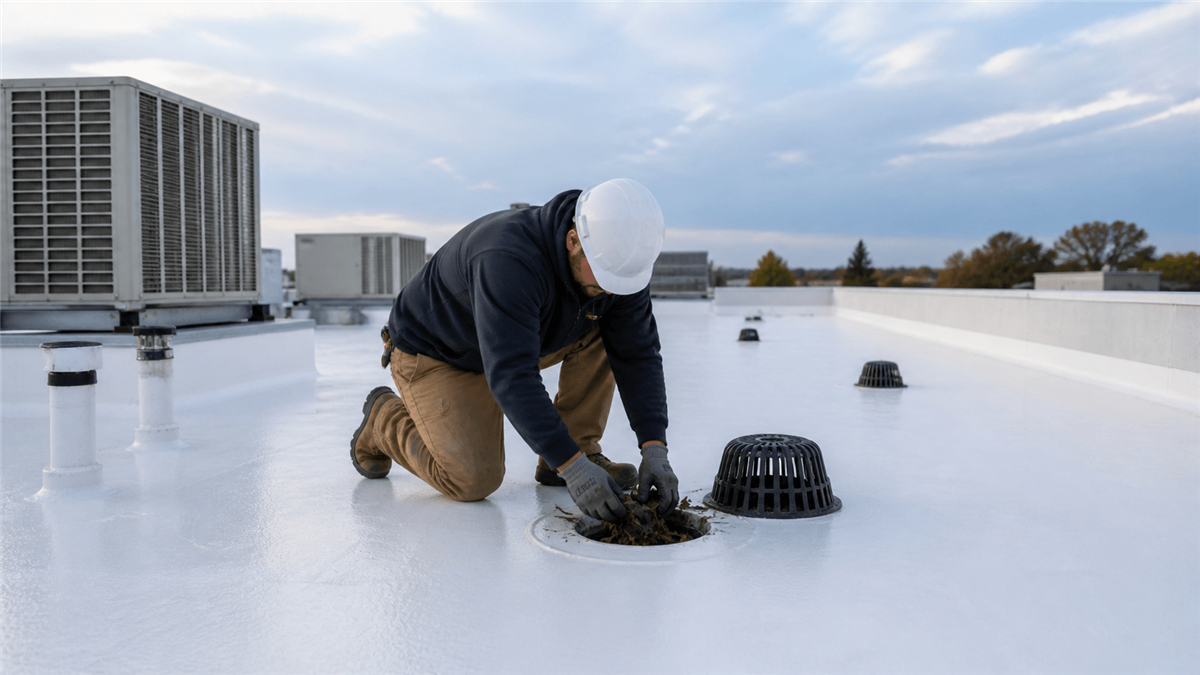
Clogged drains and scuppers lead to ponding, and ponding accelerates every form of roof deterioration. Membrane degradation speeds up. Seam stress increases under the added weight. Biological growth takes hold. Clearing debris from drains during each inspection cycle, and confirming that roof slope directs water to drainage points, prevents issues that no membrane is designed to handle long-term.
4. Document Everything for Insurance and Capital Planning
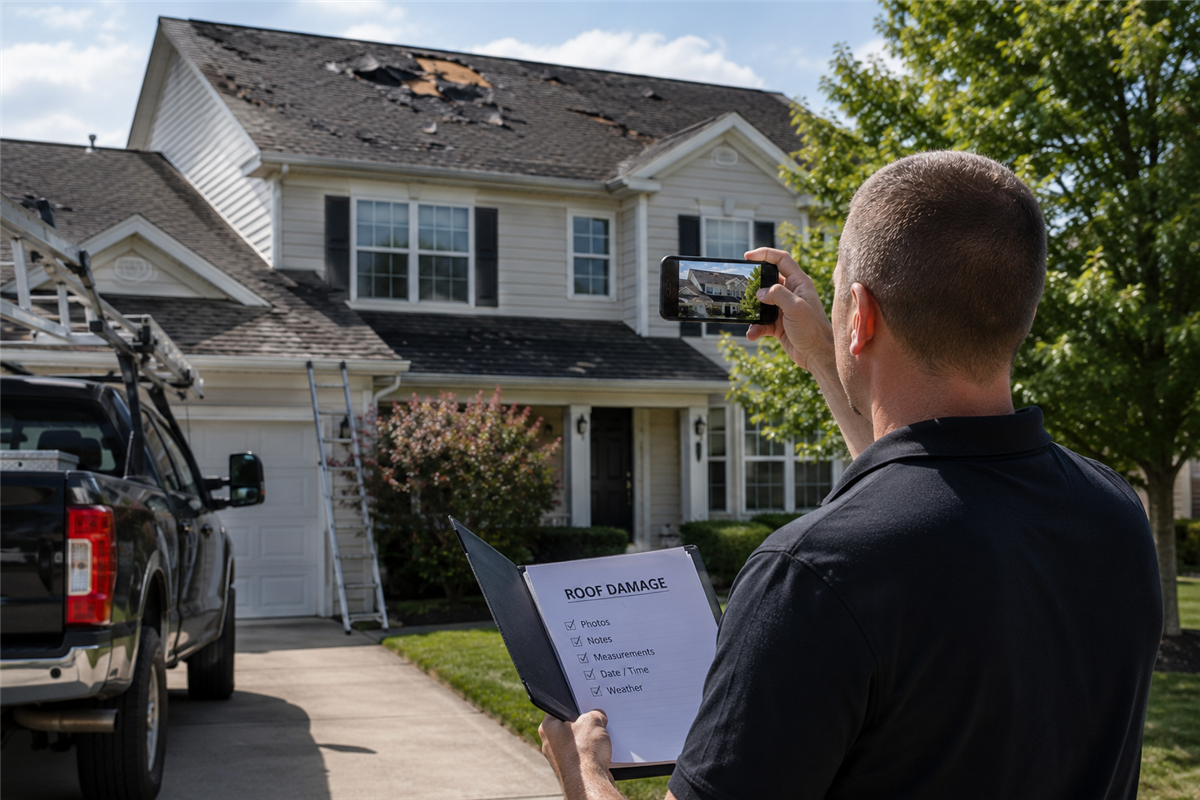
Insurance underwriters increasingly use aerial imagery and maintenance records to assess risk before setting premiums. Properties with documented inspection histories and repair records are in a much stronger position during both policy renewals and storm damage claims. Keep dated photos, inspection reports, and repair invoices organized by building. This documentation also feeds directly into capital expenditure forecasting, giving you defensible numbers for board presentations and budget conversations.
5. Consider Roof Restoration Before Full Replacement
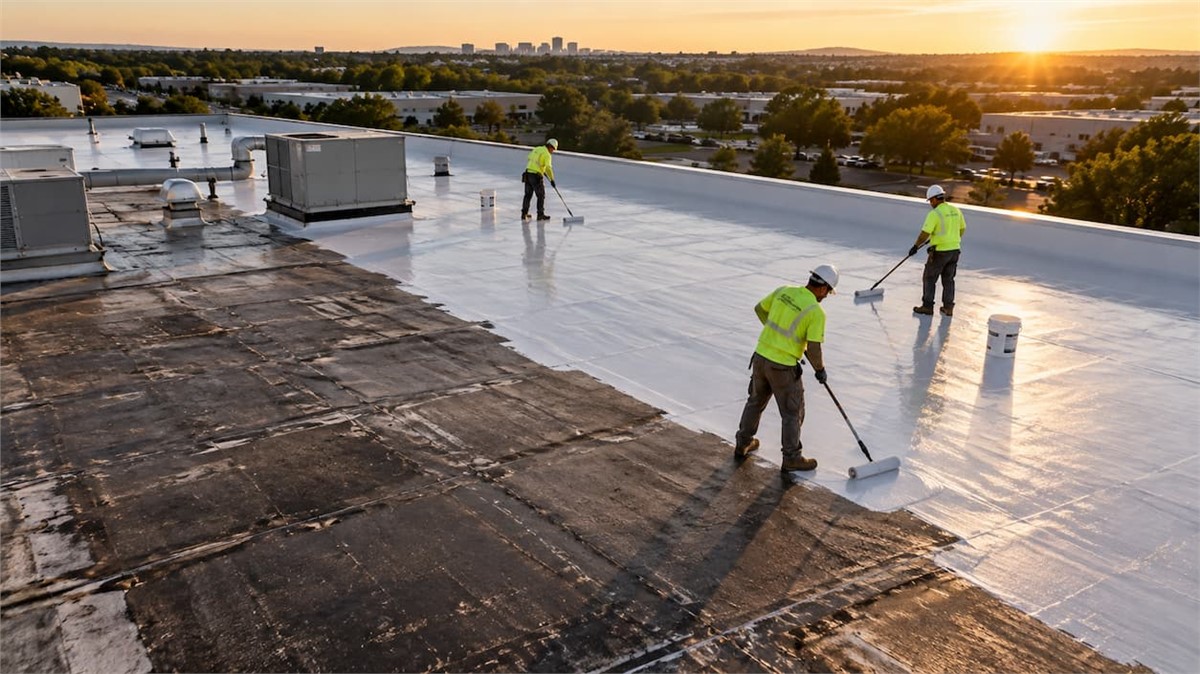
Full tear-off and replacement isn't always the right call. Roof coatings and restoration systems can add 10 to 15 years of service life to a membrane that still has structural integrity but has lost surface performance. The cost is typically a fraction of full replacement, and it avoids the disruption of a complete re-roof. Restoration makes financial sense when the underlying system is sound but weathered.
Here's a quick side-by-side look at how restoration stacks up against full replacement across the factors that matter most:
Restoration vs. Full Replacement: Quick Comparison
| Factor | Roof Restoration (Coating) | Full Replacement |
| Typical added service life | 10–15 years | 20–30 years |
| Relative cost | 30–50% of replacement | Full capital outlay |
| Building disruption | Minimal | Significant |
| Best suited for | Structurally sound membranes with surface wear | Systems with widespread failure or saturated insulation |
Knowing which option fits your situation requires accurate condition data, and that brings us back to inspections and scoring. Without objective measurements, you're guessing. And guessing with a six-figure asset is never a comfortable position to be in.
Preventive Maintenance vs. Reactive Repairs: What the Numbers Show
Everything we've covered so far points in one direction: catching problems early costs less than fixing them late. But how much less? Let's put actual numbers next to both approaches so you can see the difference clearly.
Lifecycle Cost Comparison by Management Approach
Think of your roof like a fleet vehicle. You can change the oil on schedule and get 200,000 miles out of it, or you can skip every service interval and replace the engine at 80,000. The math on commercial roofs works the same way. Reactive management delivers roughly 20 years of service life at the highest possible per-square-foot cost. A structured preventive program can push that same roof past 40 years while cutting total lifecycle spending by 40 to 50 percent.
Here's how those two approaches stack up when you compare them across the metrics that actually matter to your bottom line:
Preventive vs. Reactive Roof Management: Side-by-Side
| Metric | Preventive Maintenance | Reactive Repairs Only |
| Average roof service life | 35–40+ years | ~20 years |
| Repair cost per square foot | Baseline | 3–5x higher |
| Major capital events | 60% fewer | Frequent and unpredictable |
| Budget predictability | High — CapEx is forecasted | Low — expenses arrive as surprises |
| Insurance positioning | Strong — documented history | Weak — no maintenance records |
The numbers speak for themselves. Two full replacement cycles over 40 years versus one cycle under a preventive plan, that's the difference between paying for your roof once and paying for it twice.
How Maintenance History Affects Insurance Positioning
Here's something many property managers don't think about until renewal season: insurers care about your roof's maintenance trail. Underwriters increasingly rely on aerial imagery and documented condition records when setting premiums and evaluating claims. A property with no inspection history is a risk unknown, and unknowns get priced accordingly.
If you want to strengthen your insurance position, follow this step-by-step process for building the documentation that underwriters actually want to see:
- Establish a baseline: Commission a professional roof inspection that documents current condition, including dated photographs and a written assessment of every membrane section, flashing detail, and drainage component.
- Log every repair with specifics: Record the date, location on the roof, deficiency type, repair method, materials used, and contractor name. A folder of paid invoices is not a maintenance log.
- Conduct post-storm inspections within 48 hours: Document pre-existing conditions versus new damage so your adjuster can distinguish between the two. This is the single biggest factor in claim outcomes.
- Maintain a continuous inspection timeline: Gaps in your records give adjusters reason to question whether damage is storm-related or the result of deferred upkeep.
- Verify your contractor's credentials before every engagement: Confirming a roofer's license by name protects you from fraud and ensures your repair documentation holds up under scrutiny.
| Properties with consistent, documented maintenance histories don't just get better insurance terms. They get faster, stronger claim resolutions when storms actually hit. |
Following these steps transforms your roof from a liability on paper into a well-managed asset that insurers can underwrite with confidence. That distinction alone can pay for years of preventive maintenance through lower premiums and smoother claims.
Is Your Commercial Roof a Managed Asset or a Future Emergency?
NV Roofing's complimentary inspection gives you a full condition report, capital risk assessment, and remaining service life estimate. A $2,400 value at no cost.
Claim My Free Inspection →
How NV Roofing's VAMP Program Helps Extend Commercial Roof Life
Everything we've covered so far, biannual inspections, early repairs, drainage upkeep, documentation, works. But executing all of it consistently across one building is demanding enough. Doing it across a portfolio of ten or twenty properties? That's where most maintenance intentions fall apart. NV Roofing's VAMP (Value Asset Management Program) was built to solve exactly that problem by turning all five of those steps into a single, structured framework.
Certified Inspections and RCI Scoring
VAMP starts with certified inspectors evaluating every critical component of your low-slope roofing system: membrane wear patterns, flashing and penetration integrity, drainage performance, moisture saturation indicators, sheet metal, sealant systems, and warranty compliance. These are systematic assessments conducted in spring and fall, plus after any significant storm event, following the same inspection cadence outlined earlier in this guide.
What separates this from a standard inspection contract is the Roof Condition Index score. Every inspection produces a numeric RCI rating that quantifies roof health in objective terms. Instead of reading a narrative report and trying to figure out whether "fair condition" means you have two years left or twelve, you get a number you can track over time and compare across buildings.
| The RCI score removes subjectivity from roofing decisions. Every repair recommendation ties back to actual field findings and specific costs — not assumptions based on roof age. |
Deficiencies found during each inspection are documented with repair cost estimates attached to real conditions, not generalized pricing. You're never left guessing what a fix will cost or whether it can wait until next quarter.
Capital Planning and Portfolio Intelligence
This is where VAMP pays for itself for multi-building operators. All inspection data feeds into a centralized portfolio database, giving you a single view across every enrolled property. You can see which roofs need attention first based on RCI rankings, review annual CapEx forecasts, track repair backlogs with associated costs, and monitor remaining service life estimates, all in one place.
Here's a breakdown of what each phase of the VAMP program delivers and why it matters for your planning:
VAMP Program: What Each Phase Delivers
| VAMP Phase | What Happens | What You Get |
| Certified Inspection | Full assessment of membrane, flashing, drainage, moisture, and sealants | Detailed condition report with dated photos and repair cost estimates |
| RCI Scoring | Numeric scoring of roof health based on field data | Objective, trackable condition metric for each building |
| Capital Planning | Aggregation of all inspection data into portfolio-level intelligence | CapEx forecasts, RCI rankings by building, remaining service life estimates |
For property managers reporting to boards or ownership groups, this kind of data turns roofing from an unpredictable expense into a forecasted line item. That's the difference between walking into a budget meeting with "we might need a new roof soon" and walking in with a five-year projection backed by condition scores and documented trends.
NV Roofing has been serving the DMV region since 1963, with experience across TPO, EPDM, modified bitumen, built-up roofing, and coating systems. If you manage commercial properties in Northern Virginia, Maryland, or Washington, D.C. and want to see where your roofs actually stand, contact us to schedule a complimentary inspection.
Protecting Your Roof Investment for the Long Term
A commercial roof that gets consistent attention will outlast one that doesn't, and the difference is significant. The gap between a 20-year lifespan and a 40-year one comes down to whether someone is watching the roof closely enough to catch small problems while they're still small. Every dollar spent on scheduled inspections, timely repairs, and proper documentation comes back as avoided emergency costs, stronger insurance outcomes, and fewer surprises in your capital budget.
If you manage commercial property in the DMV area and your roof hasn't been professionally inspected in the last twelve months, that's the place to start. Get a baseline, understand what you're working with, and build a plan from there. The roof is already aging, and the only question is whether you're managing that process or just waiting for it to become someone else's emergency call.
FAQs
How often should I schedule professional maintenance to extend commercial roof life?
At minimum, schedule professional inspections twice a year, once in spring and once in fall, plus additional inspections after any major storm event to catch wind or hail damage before it spreads.
What should I know about hiring a commercial roofing contractor?
Always verify a contractor's license, insurance, and references before any engagement, since undocumented or unlicensed work can void warranties and weaken your position during insurance claims.
Can roof coatings really extend commercial roof life instead of a full replacement?
Yes, coating systems can add 10 to 15 years of performance to a roof that is structurally sound but showing surface wear, typically at 30 to 50 percent of the cost of a complete tear-off and replacement.
Do you offer flat roof specialist services in the DMV area?
NV Roofing has specialized in low-slope commercial roofing systems across Northern Virginia, Maryland, and Washington, D.C. since 1963, covering TPO, EPDM, modified bitumen, built-up roofing, and coating applications.
What is a Roof Condition Index score and why does it matter for capital planning?
An RCI score is a numeric rating based on field data that objectively measures your roof's health, allowing you to compare conditions across multiple buildings and create defensible capital expenditure forecasts.
Subscribe to NV Roofing's Blog