Your roof protects more than your belongings-it directly affects your wallet. The benefits of a new roof go well beyond stopping leaks, touching everything from energy bills to property value.
Dealing with constant repairs? Frustrated by high utility costs? A roof replacement delivers measurable returns that start immediately and grow over time.
Insurance companies offer discounts for new roofs. Energy-efficient materials cut monthly bills by 10-40%. Property values typically increase by $12,000-$15,000 with professional installation. These aren't marketing promises - they're documented outcomes from real property owners.
The eight benefits we'll cover apply to both homes and commercial buildings. Each one includes specific numbers and actionable insights you can use to evaluate whether roof replacement makes financial sense for your situation. No fluff, just the practical data you need to make an informed decision.
Financial Advantages of New Roof Installation
The benefits of a new roof go well beyond keeping rain out of your home. While roof replacement represents a major investment, the financial returns make it one of the smartest home improvement decisions you can make. Here are three ways a new roof puts money back in your pocket, both now and down the road.
Property Value Enhancement
A new roof consistently delivers some of the best returns among all home improvement projects. According to Fixr's analysis of roofing ROI by state, asphalt shingle roof installations provide an average return of 64.6% nationwide, with some regions like Virginia seeing returns as high as 83%.
Your actual return depends on where you live and local market conditions. The East South Central region shows the strongest average ROI at 67.3%. Areas that experience harsh weather patterns often see even better returns because buyers specifically look for homes with reliable roof protection.
| On average, a new roof increases home value by $12,000–$15,000, with some properties seeing gains up to $15,000 in resale value. |
Insurance Premium Reductions
Insurance companies love newer roofs because they represent lower risk. Many carriers offer premium discounts ranging from 5% to 35% for homes with recently installed roofing systems. With homeowners insurance averaging $1,754 annually across the United States, these discounts add up to real money over time.
Your specific discount depends on your insurance company, the roofing materials you choose, and local risk factors. Impact-resistant materials and wind-rated systems typically qualify for the biggest reductions, especially if you live in an area that sees frequent storms.
Long-Term Cost Savings
Modern roofing materials can slash your energy bills immediately. Cool roofing technologies reflect solar heat instead of absorbing it, reducing energy costs by 10-40% in air-conditioned buildings. This translates to noticeable monthly savings on your utility bills.
You'll also save significantly on maintenance costs. Old roofs demand constant attention-emergency repairs, patches, and regular maintenance checks. A new installation typically includes warranties that cover both materials and workmanship, eliminating those unexpected repair bills for years to come.
Performance and Protection Benefits of a New Roof
When you invest in a new roof, the advantages go far beyond the obvious financial returns. The performance improvements you'll experience affect your daily comfort and provide long-term protection that many property owners find surprisingly immediate and measurable. These functional upgrades often deliver benefits that become apparent from day one.
1. Enhanced Weather Protection
Your roof stands as your home's first line of defense against weather extremes, and today's roofing systems offer protection that older installations simply can't compete with. Advanced underlayment materials create multiple layers of defense, stopping water infiltration even when individual shingles suffer damage.
Wind resistance has seen remarkable improvements in recent roofing products. Many current systems can handle sustained winds up to 130 mph, while older roofs often fail at just 70-80 mph. This increased durability becomes essential during severe storms when emergency repairs aren't an option and you need your roof to hold strong.
2. Superior Impact Resistance
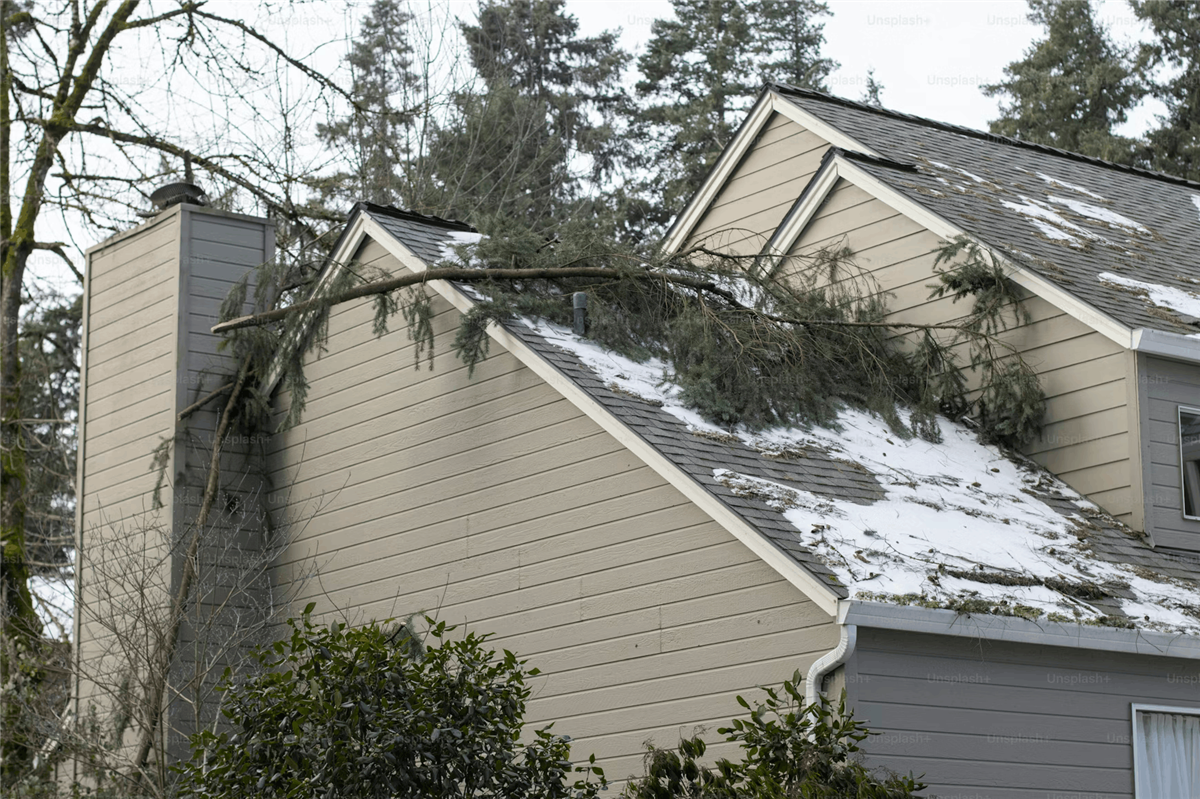
Impact resistance stands out as one of the most significant advances in roofing technology. Today's materials can withstand damage from hail, falling branches, and debris that would easily penetrate or crack older roofs. This protection stops the domino effect of damage that happens when water finds its way through compromised areas.
Class 4 impact-rated materials can handle steel balls dropped from 20 feet without showing any cracks, while older materials might fail under much lighter impacts. This durability means fewer insurance claims and lower repair costs throughout your roof's lifespan.
3. Improved Energy Efficiency
The Department of Energy shows that cool roofing systems can stay more than 50°F cooler than standard roofs under the same conditions. This temperature difference directly reduces your air conditioning costs while making your home more comfortable.
Reflective roofing materials work by bouncing solar radiation away from your building rather than absorbing it. White roofing products reflect 60-90% of sunlight, while specially designed cool-colored products reflect 30-60% even when using darker colors. This technology lets you keep the look you want while still capturing significant energy savings.
| Cool roofing systems can reduce energy costs by 10-40% while improving indoor comfort for non-air-conditioned spaces. |
Roofing Material Energy Performance Comparison
Different roofing materials offer varying levels of energy performance. Here's how the most common options compare across key efficiency metrics:
| Material Type | Solar Reflectance | Thermal Emittance | Energy Savings |
|---|---|---|---|
| White Membrane | 70-80% | 85-95% | 20-40% |
| Cool Metal Roofing | 60-70% | 75-85% | 15-30% |
| Cool Asphalt Shingles | 25-40% | 85-95% | 10-20% |
| Traditional Dark Shingles | 5-15% | 85-95% | Baseline |
4. Advanced Insulation Performance
The benefits of a new roof include access to superior insulation technologies that create more effective thermal barriers. Continuous insulation methods eliminate thermal bridging that allows heat transfer through structural elements, while vapor barriers prevent moisture infiltration that can reduce insulation effectiveness over time.
Proper ventilation design works hand-in-hand with insulation to regulate attic temperatures throughout the year. This balance prevents ice dam formation during winter months and reduces cooling loads in summer, which extends the life of both your roof and your HVAC system.
5. Reduced Maintenance Requirements
One of the most appreciated benefits of a new roof is the dramatic reduction in ongoing maintenance needs. Quality installations typically require minimal attention for the first 10-15 years, compared to older systems that demand annual repairs and constant monitoring for potential problems.
Warranty coverage eliminates many unexpected expenses that come with aging roofs. Most new roofing systems include material warranties ranging from 20-50 years, plus workmanship guarantees that cover installation-related issues. This protection shields you from the costly emergency repairs that frequently plague older roof systems.
6. Enhanced Water Management Systems
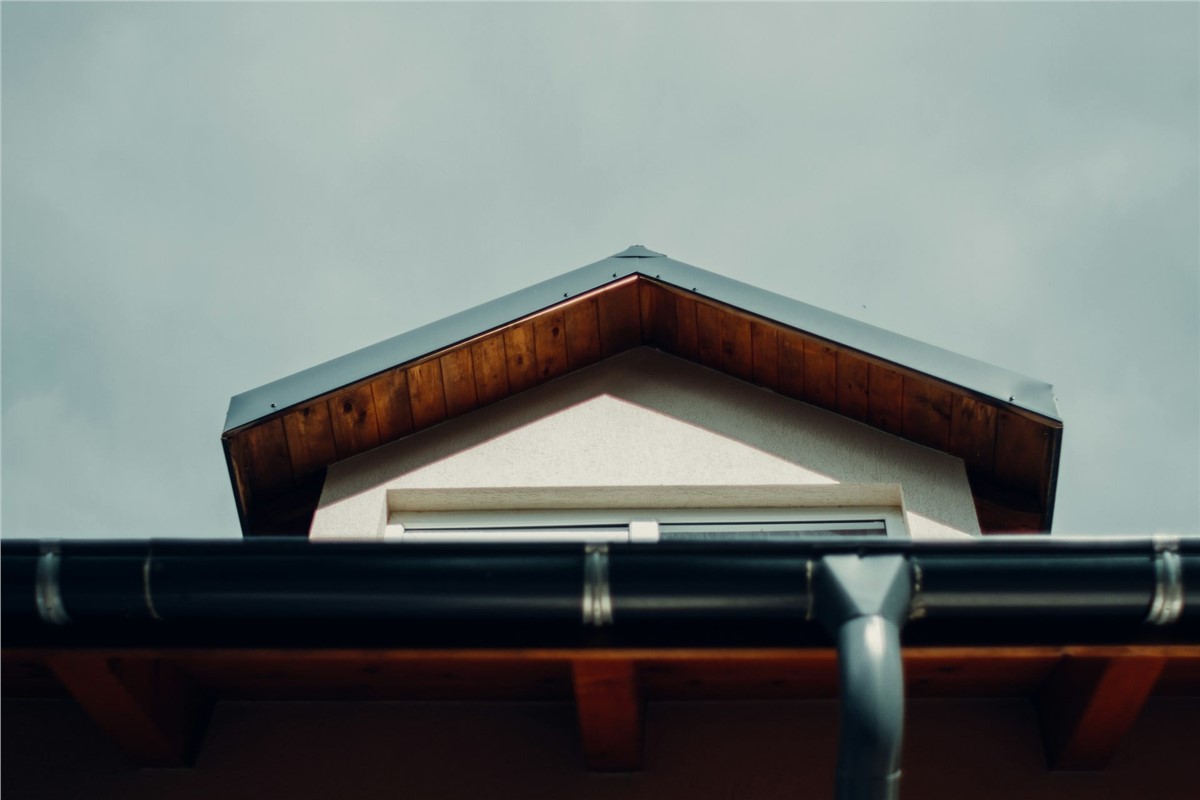
Advanced gutter integration and drainage design prevent many common maintenance headaches before they start. Proper water management reduces ice dam formation, prevents fascia damage, and eliminates the standing water issues that lead to structural problems in older installations.
Current flashing systems create watertight seals around penetrations, valleys, and transitions that have historically caused leak problems. These improvements use advanced sealants and installation techniques that maintain flexibility through temperature cycles while preventing water infiltration that can cause expensive damage.
7. Improved Indoor Air Quality
New roofing systems contribute to healthier indoor air by preventing moisture infiltration that leads to mold and mildew growth. Proper ventilation design removes excess humidity and prevents the stagnant air conditions that allow harmful organisms to thrive in attic spaces.
Advanced vapor barrier systems prevent outdoor pollutants and allergens from entering through the roof assembly, while eliminating the musty odors associated with moisture problems that are common in older installations.
8. Structural Protection and Longevity
A new roof protects your entire building structure from water damage that can compromise foundations, walls, and interior finishes. Early detection systems and improved installation practices prevent small problems from developing into major structural issues that require expensive repairs.
Current attachment methods distribute wind and snow loads more effectively across the building frame, reducing stress concentrations that can cause structural failure. This enhanced load distribution extends the life of your entire building while providing superior protection during extreme weather events when you need it most.
Choosing Professional Roofing Services
The materials and installation quality determine whether you actually receive the benefits of a new roof. Professional contractors bring expertise that protects your investment and ensures your roofing system performs as designed for decades to come.
Quality Installation and Material Selection
Your contractor's experience directly impacts how well your new roof performs and how long it lasts. Professional roofers understand local building codes, climate challenges, and proper installation techniques that prevent common problems like early leaks, wind damage, and material failure. They also know which materials work best in your specific area.
Factory-certified installers receive specialized training on proper installation procedures for specific roofing systems. This certification ensures they understand manufacturer requirements for maintaining warranty coverage and achieving optimal performance. When contractors skip these protocols, you lose warranty protection and face higher risks of needing early replacement.
Material selection requires balancing durability, looks, and cost. High-quality asphalt shingles typically last 25-30 years, while premium options like architectural shingles can extend that to 40 years. Metal roofing systems often carry 50-year warranties and provide excellent weather resistance, though they require different installation expertise than traditional shingles.
Understanding how different roofing materials compare helps you make informed decisions about your investment. Here's how various materials stack up in terms of longevity and performance:
Roofing Material Performance Comparison
| Material Type | Expected Lifespan | Wind Resistance | Energy Efficiency |
|---|---|---|---|
| Asphalt Shingles | 20-30 years | 90-110 mph | Good with reflective options |
| Metal Roofing | 40-70 years | 140+ mph | Excellent reflectivity |
| Fiber Cement | 30-50 years | 110-130 mph | Very good insulation |
Long-Term Peace of Mind Through Expert Craftsmanship
Professional installation creates the foundation for decades of reliable performance. Experienced contractors handle complex details like proper flashing around chimneys and vents, adequate ventilation systems, and precise shingle alignment that affects both appearance and weather resistance. These details make the difference between a roof that lasts its full expected lifespan and one that needs early replacement.
| Quality installation protects your investment and ensures your roofing system performs as designed for decades, delivering all the financial and performance benefits of a new roof. |
At NV Roofing, our certified crews handle every aspect of residential roofing projects, from initial inspection through final installation. We use premium materials, architectural shingles, and metal roofing systems backed by extensive manufacturer warranties. Our approach combines over 60 years of local experience with current installation techniques, ensuring your new roof delivers maximum protection and performance for your specific property needs. Get a free quote to discuss your roofing project with our experienced team.
Conclusion
The benefits of a new roof reach well beyond basic shelter, creating tangible improvements in financial returns, energy performance, and home appearance. Insurance premium reductions and lower utility bills combine with increased property values and modern protection features to deliver long-term value that grows over the years. Business owners enjoy extra advantages through planned maintenance schedules and contractor partnerships that safeguard significant investments while keeping daily operations running smoothly.
The right next move varies based on your circumstances. Homeowners should compare their current roof's condition with potential energy cost reductions and home value gains. Business property owners need to consider how planned roof replacement supports their overall property investment strategy. Professional inspection gives you the facts required to make smart choices about timing, material selection, and expected benefits for your specific building.
FAQs
How long does a typical roof replacement take and will it disrupt daily life?
Most residential roof replacements take 1-3 days to complete, while commercial projects use phased approaches to minimize disruption.
What are the main benefits of a new roof for energy savings?
Cool roofing systems can reduce energy costs by 10-40% by reflecting solar heat instead of absorbing it. Modern materials like white membranes and cool metal roofing can stay more than 50°F cooler than traditional dark shingles under the same conditions.
How does roof replacement through insurance work for storm damage?
Insurance companies typically cover roof replacement when storm damage exceeds your deductible, and many offer premium discounts of 5-35% for new roofs with impact-resistant materials. Filing a claim requires documentation of damage and working with approved contractors who understand insurance requirements.
Do the benefits of a new roof justify the upfront investment cost?
New roofs provide an average return of 64.6% nationwide, with property values typically increasing $12,000-$15,000. Combined with insurance discounts, energy savings, and eliminated repair costs, most homeowners recover their investment within 7-10 years.
Which roofing materials offer the best combination of durability and appearance?
Architectural shingles and metal roofing provide excellent durability with Class 4 impact ratings while offering attractive design options. These materials can withstand winds up to 130 mph and typically include 20-50 year warranties covering both materials and workmanship.
Do I Need Permits for Roof Replacement?
Most municipalities require building permits for complete roof replacements, though requirements vary by location and project scope. Contact us to learn whether your municipality requires a permit for roof replacement.
Subscribe to NV Roofing's Blog