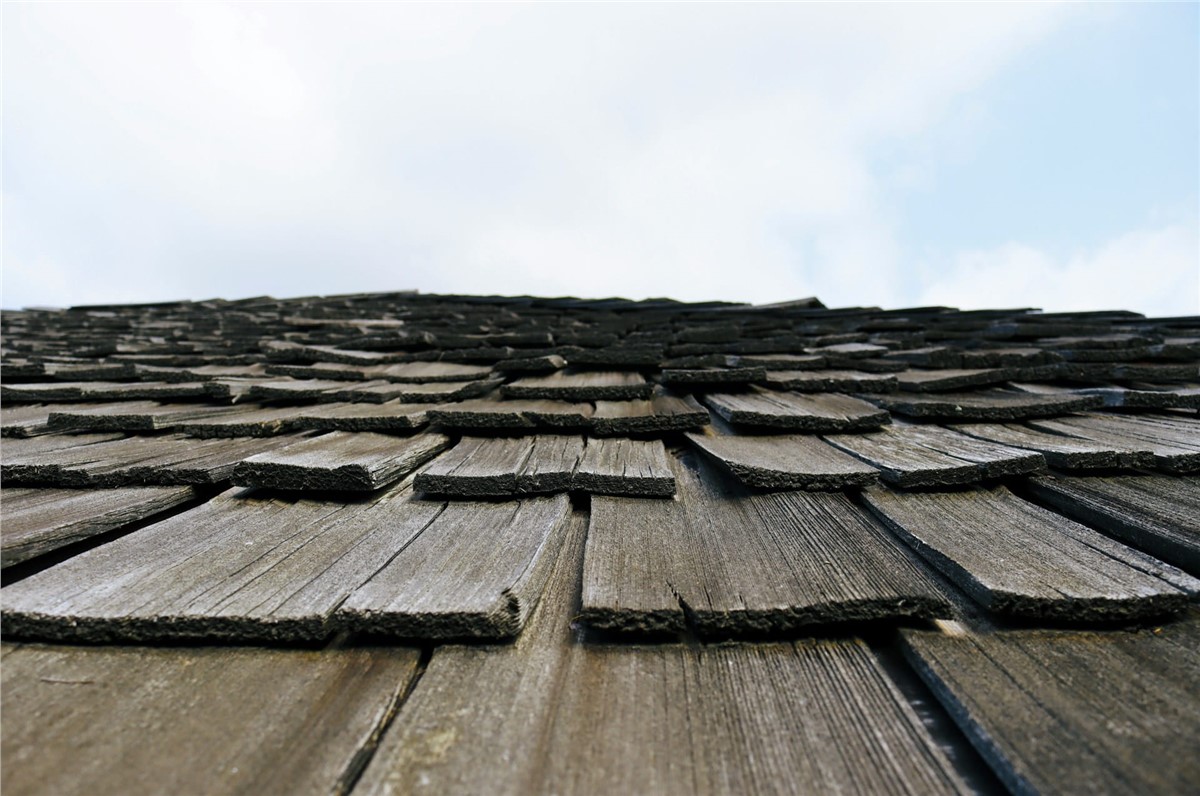
| TL;DR: Cedar shingles roofing offers natural beauty and insulation but requires regular maintenance every 12-18 months and costs $8-15 per square foot to install, with a lifespan of 20-35 years depending on climate and care. Polymer alternatives like replicate the cedar aesthetic while eliminating maintenance demands and providing superior weather resistance at comparable installation costs. |
Cedar shingles roofing delivers a classic look, but appearance is just one piece of the puzzle. This guide covers what you actually need to know: real-world performance, maintenance requirements, and true costs. We'll walk through the differences between cedar shakes & shingles, what's involved in a cedar shake roof replacement, and how long these roofs actually last. You'll also learn about alternatives like Cedar Impressions Perfection Shingles that mimic the cedar aesthetic without the upkeep. Expect straight answers about durability, installation timelines, regional considerations, and whether cedar roofing shingles make financial sense for your situation. No fluff-just the data and practical details you need to make an informed decision about your roof.
What Are Cedar Shingles and Cedar Shakes?
Cedar roofing products fall into two main categories, each with distinct characteristics that affect both installation and performance. Understanding these differences helps you make informed decisions about material selection, budget planning, and long-term maintenance expectations.
Understanding Cedar Roofing Materials
Cedar shingles roofing and cedar shakes both come from Western Red Cedar or Eastern White Cedar. These woods contain natural oils that resist decay, insect damage, and moisture penetration. The manufacturing process determines whether you end up with shingles or shakes. Shingles go through precision saws that produce uniform thickness and smooth surfaces on both sides. Shakes involve splitting logs along the grain, creating textured surfaces with varying thickness.
Both materials offer natural insulation properties that can reduce energy costs through more stable attic temperatures. Cedar's cellular structure traps air pockets, providing better thermal resistance than many synthetic alternatives. These same properties mean cedar requires specific installation techniques to ensure proper ventilation and prevent moisture accumulation.
| Cedar naturally resists rot and insect damage due to thujaplicin and other oils that act as preservatives, reducing the need for chemical treatments. |
Cedar Shingles vs. Cedar Shakes: Key Differences
Cedar shingles measure consistently at 16, 18, or 24 inches in length with uniform thickness throughout. Their smooth, flat profile creates clean lines and works well on roofs with complex architectural details. Installation proceeds faster because each piece sits flat against the roof deck without adjustment.
Cedar shakes deliver a rustic appearance with their split faces and irregular edges. They're thicker than shingles-typically twice as thick at the butt end-which creates deeper shadow lines and more pronounced texture. Hand-split shakes show the most variation, while taper-sawn versions offer some consistency while maintaining the split-face aesthetic. Shakes shed water more effectively due to their texture but require skilled installation to prevent gaps that compromise weather protection.
Cost differences between cedar shingles and shakes range from 20% to 40%, with shakes commanding premium prices. Labor costs also run higher for shake installation because each piece needs individual positioning. Weight considerations matter too: shakes add more load to roof structures, sometimes requiring reinforcement before installation.
Benefits and Drawbacks of Cedar Shingles Roofing
Every roofing material comes with its own set of advantages and challenges. Cedar shingles roofing delivers unique benefits that resonate with certain homeowners, but it also brings maintenance demands and costs that won't suit everyone. Understanding both sides helps you make an informed decision about whether this traditional material fits your home and budget.
Why Homeowners Choose Cedar Roofing Shingles
Cedar offers natural insulation that genuinely makes a difference in your energy bills. The wood's cellular structure traps air in tiny pockets, helping to buffer temperature extremes between your attic and living spaces. This means less strain on your HVAC system compared to materials like asphalt or metal that transfer heat and cold more readily.
The visual appeal of cedar shakes & shingles attracts homeowners who value character and authenticity. Left untreated, cedar develops a distinctive silver-gray patina that many find beautiful. Prefer the original warm tones? Regular treatments maintain that fresh-cut appearance. The material works equally well on Cape Cod cottages, mountain retreats, and modern architectural designs-especially in regions where natural materials are part of the building tradition.
If you prioritize environmental responsibility, cedar has credentials worth noting. Sourced from renewable forests, it biodegrades naturally at the end of its life and requires far less manufacturing energy than synthetic alternatives. When treated with fire retardants, cedar achieves Class B fire resistance, though untreated versions pose greater risk in areas susceptible to wildfires.
| Cedar's natural oils resist insect damage and decay, but these protective compounds diminish over time without proper maintenance and treatment applications. |
Limitations to Consider Before Installation
Cedar demands more attention than most roofing materials. A cedar shingles roof needs inspections every 12-18 months to catch problems like moss buildup, cupping, or splitting before they escalate. You'll also need to apply protective treatments every 3-5 years to preserve both appearance and weather resistance. Skip this care, and your cedar roof might fail within 15 years rather than reaching its expected 25-30 year lifespan.
Climate plays a significant role in how well cedar performs. High humidity creates ideal conditions for moss and algae, while dramatic temperature swings cause the wood to expand and contract, leading to cracks. Salt air in coastal areas accelerates deterioration. Cedar thrives in moderate climates paired with good attic ventilation, but struggles in extreme environments.
Fire ratings complicate insurance in certain locations. Building codes in wildfire-prone zones often ban untreated cedar outright or mandate costly fire-retardant treatments that require periodic reapplication. Some insurance companies respond with higher premiums, while others refuse coverage altogether for cedar roofs in high-risk areas.
Cost Comparison: Cedar vs. Alternative Roofing Materials
Here's how cedar stacks up against other common roofing options in terms of installation expenses, longevity, and ongoing maintenance requirements:
| Material Type | Installation Cost per Sq Ft | Expected Lifespan | Annual Maintenance Cost |
| Cedar Shingles | $8-12 | 20-30 years | $300-600 |
| Cedar Shakes | $10-15 | 25-35 years | $400-700 |
| Architectural Asphalt | $4-7 | 20-30 years | $100-200 |
| Cedar Impressions Polymer | $7-10 | 30-50 years | $50-100 |
| Metal Roofing | $9-14 | 40-70 years | $75-150 |
The numbers tell a clear story. Initial installation for a cedar shake roof replacement costs 50-100% more than architectural asphalt. For a typical 2,000-square-foot home, expect to pay $16,000-$30,000 for cedar versus $8,000-$14,000 for quality asphalt. When you factor in those annual maintenance expenses, the lifetime cost difference becomes even more pronounced.
Cedar Impressions Perfection Shingles present an interesting middle ground. These polymer products capture cedar's texture and appearance through detailed molding while delivering better weather resistance and durability than natural wood. Installation costs fall between natural cedar and asphalt, but maintenance demands drop significantly. The synthetic option resists the splitting, warping, and moisture damage that affect natural wood, while still giving you the aesthetic appeal that draws many homeowners to cedar in the first place.
Cedar Roofing Styles and Installation Types
Cedar roofing comes in several distinct styles, each affecting both how your home looks and how the roof performs over time. The style you select shapes the installation process, determines your maintenance schedule, and influences how well the finished roof matches your home's architectural design. Each option delivers its own unique texture and visual depth.
Hand-Split Cedar Shake Patterns
Hand-split shakes bring the strongest rustic character to any roof. Craftsmen split these directly from cedar logs, following the wood's natural grain to create irregular surfaces that shift in appearance as light changes throughout the day. The thick butt ends-typically 3/4 to 1 1/4 inches-produce deep shadow lines that highlight the roof's three-dimensional quality. Each piece differs in width and texture, creating an organic look that fits beautifully on mountain homes, cabins, and properties designed to harmonize with natural settings.
Installation demands skilled professionals who know how to position each shake for proper water drainage despite irregular edges. The splits follow the wood grain, which actually improves water shedding, but installers must work around variations in thickness. Installation time typically runs 30-40% longer than standard shingle work because each shake requires individual assessment and careful placement.
Taper-Sawn Cedar Shingles Roof Applications
Taper-sawn shingles provide consistency while preserving the natural cedar look. The manufacturing process creates uniform thickness gradients-thicker at the butt end, tapering toward the top-which accelerates installation while maintaining a traditional appearance. These shingles work well on colonial homes, Cape Cod designs, and properties where clean lines take priority over heavy texture.
The standardized dimensions allow for faster installation and more accurate coverage calculations. One square (100 square feet of coverage) typically needs 3-4 bundles depending on exposure length. Contractors can estimate materials more precisely, which reduces waste and keeps project costs down. The smooth surface also sheds debris more effectively than hand-split alternatives, which can trap leaves and pine needles in their textured surfaces.
| Taper-sawn cedar shingles deliver 85-90% of the visual appeal of hand-split shakes at roughly 70% of the cost, making them a practical choice for budget-conscious homeowners who still want authentic wood character. |
Polymer Cedar Impressions Perfection Shingles
Cedar Impressions Perfection Shingles use advanced polymer construction to replicate cedar's appearance while eliminating maintenance demands. These synthetic alternatives resist splitting, warping, and moisture damage that affect natural wood. The polymer formula handles harsh weather conditions-including hail impact, high winds, and UV exposure-without the treatments and inspections that cedar requires.
The manufacturing process captures authentic cedar grain patterns and color variations through detailed molds taken from real cedar shakes. You get the visual texture without worrying about annual inspections, preservative treatments, or moss buildup. Fire resistance surpasses natural cedar by significant margins, often achieving Class A ratings without chemical treatments. Many insurance companies offer better rates for polymer cedar versus natural wood, particularly in fire-prone regions.
Installation costs fall between natural cedar and asphalt, but long-term expenses drop significantly. No treatments to reapply, minimal inspection requirements, and better resistance to weather damage mean lower total cost of ownership over the roof's 30-50 year lifespan. For homeowners in the DMV region who want cedar aesthetics without constant maintenance, polymer alternatives deserve serious consideration.
Whether you choose hand-split shakes for maximum character, taper-sawn shingles for balanced performance, or polymer alternatives for durability, professional installation makes the difference between a roof that performs as expected and one that creates ongoing problems. If you're considering any of these options for your Northern Virginia, Maryland, or D.C. property, contact us to discuss which style best fits your home's needs and your long-term maintenance preferences.
Conclusion: Making the Right Choice for Your Home
Opting for cedar shingles roofing requires a commitment to consistent maintenance and a larger initial investment, but you'll gain natural beauty and excellent insulation in return. If authentic wood aesthetics matter to you and you're ready to dedicate both time and money to regular care, cedar provides a unique appearance that's hard to replicate with other materials. On the other hand, if you want that classic look without the maintenance demands, polymer options like Cedar Impressions Perfection Shingles deliver durability and weather resistance that natural wood simply can't match. Think about your local climate, your budget, and how much ongoing maintenance you're willing to handle before you decide. Homeowners in Northern Virginia, Maryland, and Washington, D.C. should factor in regional humidity, seasonal temperature changes, and realistic long-term maintenance costs when weighing their options.
FAQs
Can I install cedar shingles roofing over my existing asphalt roof?
No, cedar installation requires removing all existing roofing materials down to the roof deck to ensure proper ventilation and prevent moisture accumulation that would cause premature rot. The roof deck must also be inspected for damage before installing cedar.
How do I prevent moss growth on my cedar shake roof?
Keep your roof clear of debris, trim overhanging tree branches to increase sunlight exposure, and apply zinc or copper strips near the ridge line which release moss-inhibiting compounds when it rains. Regular professional cleaning every 2-3 years in humid climates also prevents moss establishment.
Will my homeowner's insurance cover cedar shingles roofing in a wildfire-prone area?
Many insurance companies require Class A or B fire-rated treatments for cedar roofs in high-risk zones, and some insurers won't cover untreated cedar at all. Contact your insurance provider before installation to understand coverage requirements and potential premium increases.
What's the best time of year to install a cedar roof?
Late spring through early fall provides ideal conditions when temperatures stay between 40-85°F and humidity remains moderate, allowing the wood to acclimate properly without excessive expansion or contraction. Avoid installation during rainy seasons or extreme temperature periods.
Can I paint or stain cedar shingles roofing to change the color?
Yes, but semi-transparent stains work better than paint because they allow the wood to breathe and don't trap moisture that leads to rot. Apply stain within the first year of installation and reapply every 3-5 years to maintain color and protection.
Subscribe to NV Roofing's Blog