| TL;DR: A roof sq ft calculator helps you determine your roof's exact square footage by measuring your building's footprint, applying pitch multipliers based on roof slope, and adding waste factors for material planning. Accurate measurements require multiplying your base footprint by the correct pitch multiplier (which increases with steeper slopes), then adding 5-20% for waste, depending on roof complexity, to get the total material needed. |
Planning a roof replacement or repair starts with one number: your roof's square footage. A roof sq ft calculator gives you that measurement, but only when you use it right. Most property owners miss critical factors like pitch multipliers and waste allowances, leading to material shortages or inflated contractor quotes.
This guide shows you how to measure and calculate your roof area using basic tools and proven formulas. You'll learn to handle different roof shapes, apply the correct pitch adjustments, and sidestep the mistakes that skew your numbers. You'll walk away knowing how to verify contractor estimates and understand exactly what your project needs-no guesswork involved.
Why You Need to Calculate Roof Square Footage
Knowing your roof's exact square footage isn't just about checking a box-it directly impacts your budget, material orders, and project timeline. Whether you're planning a repair or full replacement, this number determines everything from how much you'll spend on shingles to how long crews will be on site.
The first reason to use a roof sq ft calculator is budget accuracy. Roofing materials are priced per square (100 square feet), and labor costs follow the same model. If your estimate is off by even a couple of squares, you could face unexpected expenses mid-project. Overestimating means wasting money on materials you won't use. Underestimating creates delays when you realize you're short on shingles halfway through installation.
Material planning becomes straightforward once you have precise measurements. Asphalt shingles, metal panels, underlayment, flashing-all these components require accurate square footage calculations. Suppliers need this number to provide quotes, and contractors use it to order the right quantity. When you work with a roofing professional who understands how to properly measure and account for waste factors, you avoid the headache of reordering materials or returning excess stock.
| Accurate roof measurements eliminate surprises, giving you control over your budget before the first shingle goes down. |
Understanding your roof's size also helps you evaluate contractor estimates. When you receive multiple quotes, they should all reference similar square footage. Significant discrepancies signal either measurement errors or inflated numbers. Having your own calculation from a roof square foot calculator gives you leverage to ask questions and verify that you're getting a fair price.
Insurance claims rely heavily on documented measurements too. After storm damage, adjusters calculate coverage based on affected square footage. If you can provide accurate measurements or verify what the adjuster reports, you strengthen your claim and reduce the risk of underpayment. Property managers handling commercial buildings benefit even more-tracking roof area across multiple structures helps schedule maintenance, forecast replacement costs, and manage capital planning.
Timing matters just as much as cost. Contractors schedule jobs based on square footage because it dictates crew size and completion dates. A 2,000-square-foot roof might take two days with a standard crew, while a 4,000-square-foot surface could require double that time. When you know your measurements upfront, you get realistic timelines instead of vague estimates that stretch on indefinitely.
Tools and Measurements You'll Need
Before you start calculating, gather the right equipment. Having these tools ready saves time and reduces trips up and down ladders or across your property. Some measurements you can capture from ground level, while others require roof access or alternative methods.
Measuring Tape or Laser Distance Meter
A 100-foot measuring tape handles most residential roofs when measuring the building's footprint from the ground. For larger commercial properties or hard-to-reach areas, a laser distance meter gives you accurate readings without physical contact. These devices shoot a laser beam to the target surface and calculate distance based on how long it takes for the beam to return. They work best on flat, solid surfaces and can measure up to 300 feet depending on the model.
When using a measuring tape on your building's perimeter, measure each wall section that sits under the roof. For rectangular homes, you'll capture length and width. L-shaped or more complex footprints require breaking the structure into smaller rectangles, measuring each section, then adding them together.
Roof Pitch Gauge and Calculator
Roof pitch determines how much surface area exists beyond the flat footprint. A pitch gauge (also called a slope finder) attaches to a level and shows the angle in the standard rise-over-run format. Digital pitch finders display the angle on a screen, removing the guesswork from interpreting bubble levels.
You can also measure pitch manually: place a level horizontally against the roof surface, measure 12 inches from the roof contact point, then measure vertically from the roof surface to the bottom of the level at that 12-inch mark. If that vertical measurement is 6 inches, your roof has a 6:12 pitch.
| Pitch multipliers turn flat measurements into actual roof area-skipping this step is the most common source of calculation errors. |
Safety Equipment
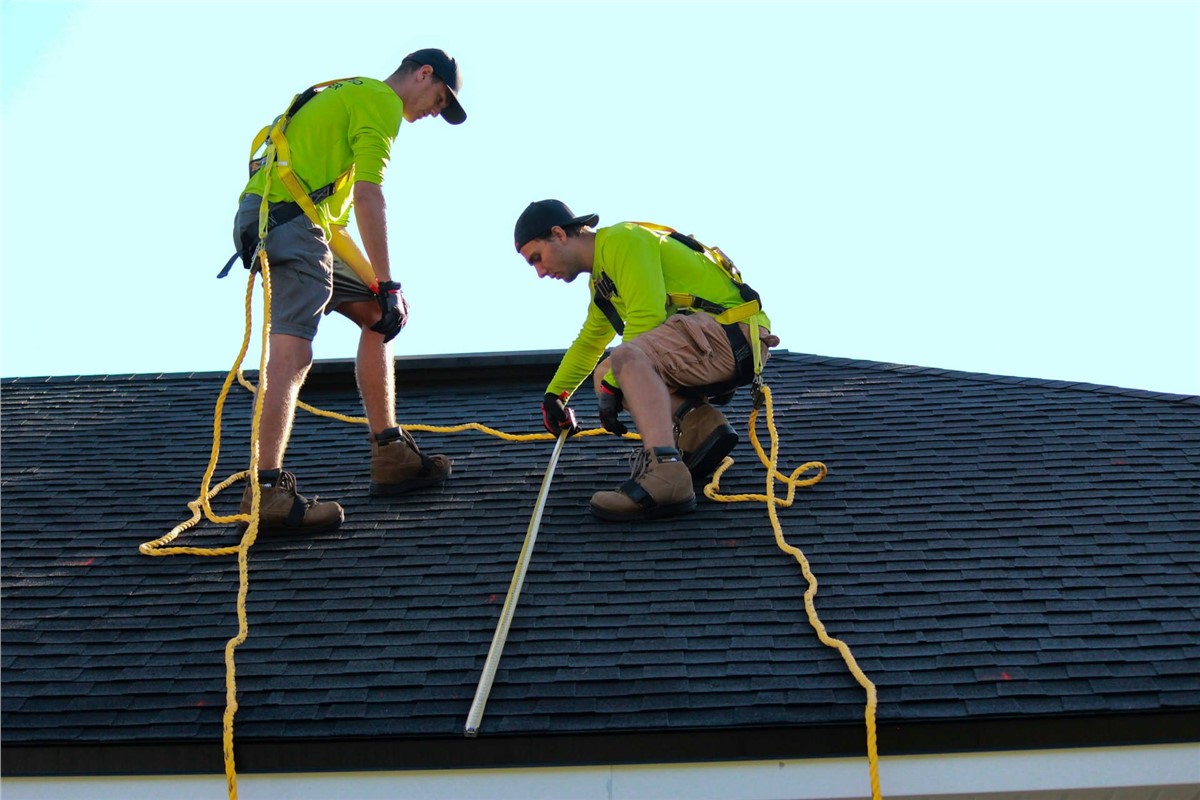
If you're climbing onto your roof, proper safety gear isn't optional. Non-slip footwear with soft rubber soles provides traction on shingles and metal panels. A fall protection harness with anchor points prevents injuries on steeper pitches. Always work with a partner who can assist from ground level and call for help if needed.
Avoid roof work during rain, high winds, or extreme heat. Wet surfaces become slippery, and hot days make asphalt shingles soft underfoot.Metal roofs become especially hazardous in wet conditions and should only be accessed when completely dry.
Alternative Digital Tools
If climbing your roof isn't practical, satellite imagery and aerial measurement software provide remote options. Programs like EagleView, Nearmap, and similar platforms use high-resolution imagery to generate roof reports with measurements, pitch calculations, and even material counts. These services charge per report but deliver accuracy comparable to manual measurements without the safety risks.
Some roofing contractors offer free measurement services as part of their estimate process. When you work with experienced professionals, they bring calibrated tools and years of practice reading complex roof structures-often spotting details that property owners miss.
How to Calculate Roof Square Footage: Step-by-Step
Figuring out your roof's actual square footage takes more than a quick measurement from the ground. You'll need to measure your building's footprint, factor in the slope, and account for real-world considerations like material waste and overhangs. Here's the process professionals use to get accurate measurements every time.
Step 1: Measure Your Roof's Footprint
Begin at ground level by measuring where your building meets the roof. For a basic rectangular structure, measure the length and width of each section. Let's work through an example: a home that's 40 feet long and 30 feet wide. Multiply those numbers to get your base footprint: 40 × 30 = 1,200 square feet.
Buildings with irregular shapes-like L-shaped homes or structures with multiple wings-need a different approach. Break the footprint into separate rectangles, measure each section on its own, calculate the area for each piece, then add everything together. Don't forget to include attached garages or covered porches that sit under the same roofline.
Step 2: Determine Your Roof Pitch
Roof pitch has a direct impact on surface area. A flat roof barely adds any square footage beyond the footprint, while a steep 12:12 pitch increases the total area by 41%. Here's how to measure it: place a level against your roof surface, measure 12 inches horizontally from where it touches the roof, then measure straight down from the level to the roof surface at that 12-inch mark. That vertical measurement gives you the first number in your pitch ratio.
If you measure 6 inches vertically, your roof has a 6:12 pitch. Each pitch corresponds to a specific multiplier that converts flat measurements into actual roof area.
Step 3: Apply the Pitch Multiplier
Once you've determined your pitch, apply the corresponding multiplier to your footprint measurement. Using our earlier example of 1,200 square feet with a 6:12 pitch, you'd multiply 1,200 × 1.12 = 1,344 square feet. This adjustment accounts for the extra surface area created by the roof's slope.
| Skipping the pitch multiplier is like measuring a staircase by its horizontal distance-you'll miss most of the actual surface you need to cover. |
Step 4: Calculate Total Square Footage
For roofs with multiple sections at different pitches, calculate each section separately using its own multiplier, then add the results. A home with a main section at 6:12 pitch covering 1,200 square feet and a garage section at 4:12 pitch covering 400 square feet would total: (1,200 × 1.12) + (400 × 1.05) = 1,344 + 420 = 1,764 square feet.
Step 5: Add for Waste and Overhang
Material waste happens during cutting, fitting around vents and chimneys, and covering starter courses along eaves and rakes. Simple gable roofs typically need a 5% waste factor, while complex roofs with multiple valleys, dormers, and angles require 15-20%. Taking our 1,764 square feet example with a 10% waste factor for moderate complexity: 1,764 × 1.10 = 1,940 square feet. Divide by 100 to convert to roofing squares: 1,940 ÷ 100 = 19.4 squares, which you'd round up to 20 squares when ordering materials.
These calculations give you the foundation for accurate project planning. When you're ready to move forward with repairs or replacement, having these numbers prepared speeds up the estimate process. Our team at NV Roofing provides detailed measurements as part of every project consultation, walking you through the factors that affect your specific roof. If you'd like an expert assessment of your property, contact us for a thorough inspection and transparent estimate.
Conclusion: Getting Accurate Measurements for Your Roofing Project
You now have the framework to calculate roof square footage correctly-from measuring footprints and applying pitch multipliers to accounting for waste factors across different roof configurations. These calculations protect you from budget overruns and material shortages while giving you the confidence to evaluate contractor quotes with precision. Start by measuring your building's footprint, determine the pitch for each section, apply the appropriate multipliers, and add your waste allowance based on roof complexity. If your roof includes multiple planes, unusual angles, or features that make measurement challenging, bringing in experienced professionals eliminates guesswork and delivers the accuracy your project deserves. Armed with these methods, you're equipped to plan your roofing work with clarity and control from the start.
FAQs
How accurate are online roof calculators compared to professional measurements?
A roof sq ft calculator provides reliable estimates when you input accurate footprint dimensions and pitch measurements, typically within 5-10% of professional results for simple roof designs. Complex roofs with multiple sections, valleys, and angles benefit from professional measurement services that account for details difficult to capture remotely.
Can I calculate my roof size without climbing on it?
You can measure your building's footprint from the ground using a measuring tape or laser distance meter, then estimate pitch by visually comparing your roof to standard pitch diagrams or using drone imagery. For precise calculations, satellite measurement services like EagleView provide detailed roof reports without requiring physical roof access.
What's the difference between roof squares and square feet?
Roofing professionals measure in "squares," where one square equals 100 square feet of roof surface. If your roof sq ft calculator shows 2,400 square feet, that converts to 24 squares for ordering materials and receiving contractor quotes.
Should I measure my attic space or the outside of my house?
Always measure the outside perimeter of your building at ground level where the walls meet the roofline, not interior attic dimensions. Exterior measurements capture the full footprint including wall thickness and overhangs that affect your total roof area.
How do dormers and skylights affect square footage calculations?
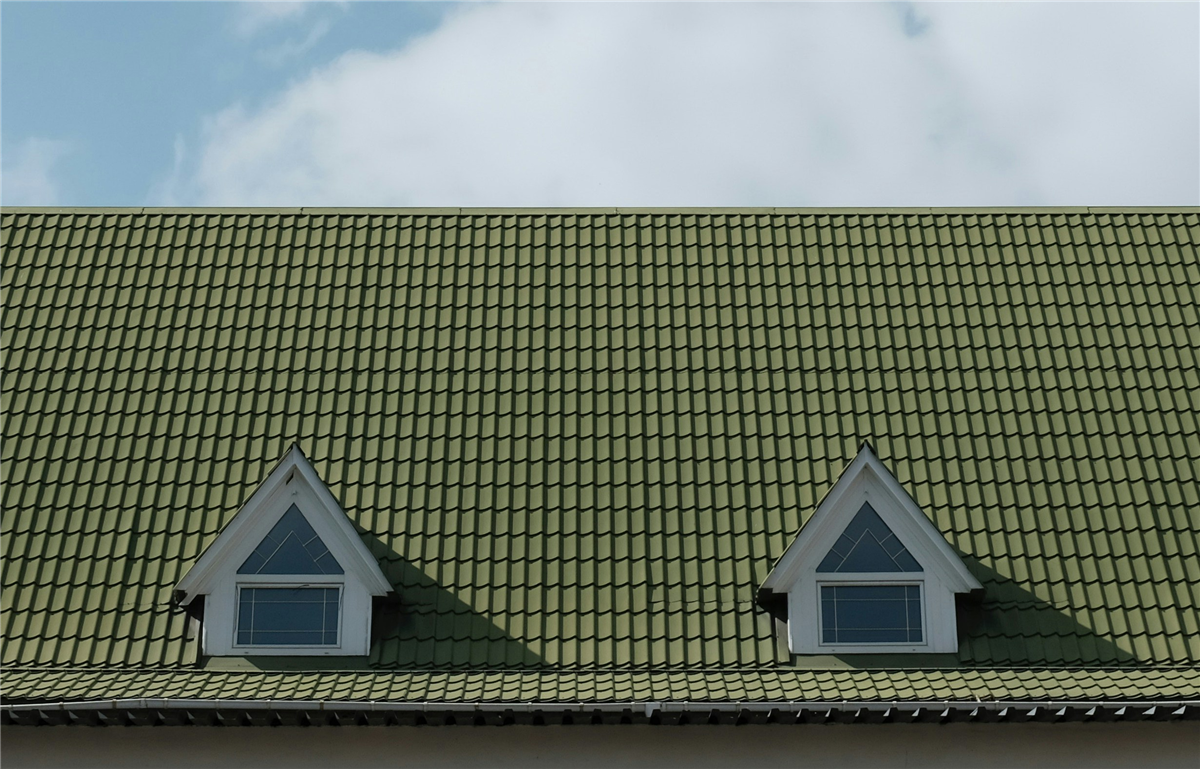
Dormers add surface area through their vertical faces and mini-roofs, requiring separate measurements that get added to your main roof total. Skylights don't reduce the square footage you'll need for materials since roofing still covers the area underneath and requires cutting and flashing work around the opening.
Subscribe to NV Roofing's Blog