Your commercial property's gutter system protects your building envelope, foundation, and tenant spaces from expensive water damage. Most property managers ignore gutters until they overflow or cause leaks. Commercial gutter inspection services catch small problems before they turn into emergency repairs, tenant complaints, or insurance claims.
Managing an office complex, retail center, or multi-family property means understanding what happens during a professional gutter inspection. You'll learn what inspectors examine, the most common failures they find, and how to choose a qualified service provider. This guide gives you the facts you need to protect your investment and avoid costly surprises.
Why Commercial Gutter Inspections Matter
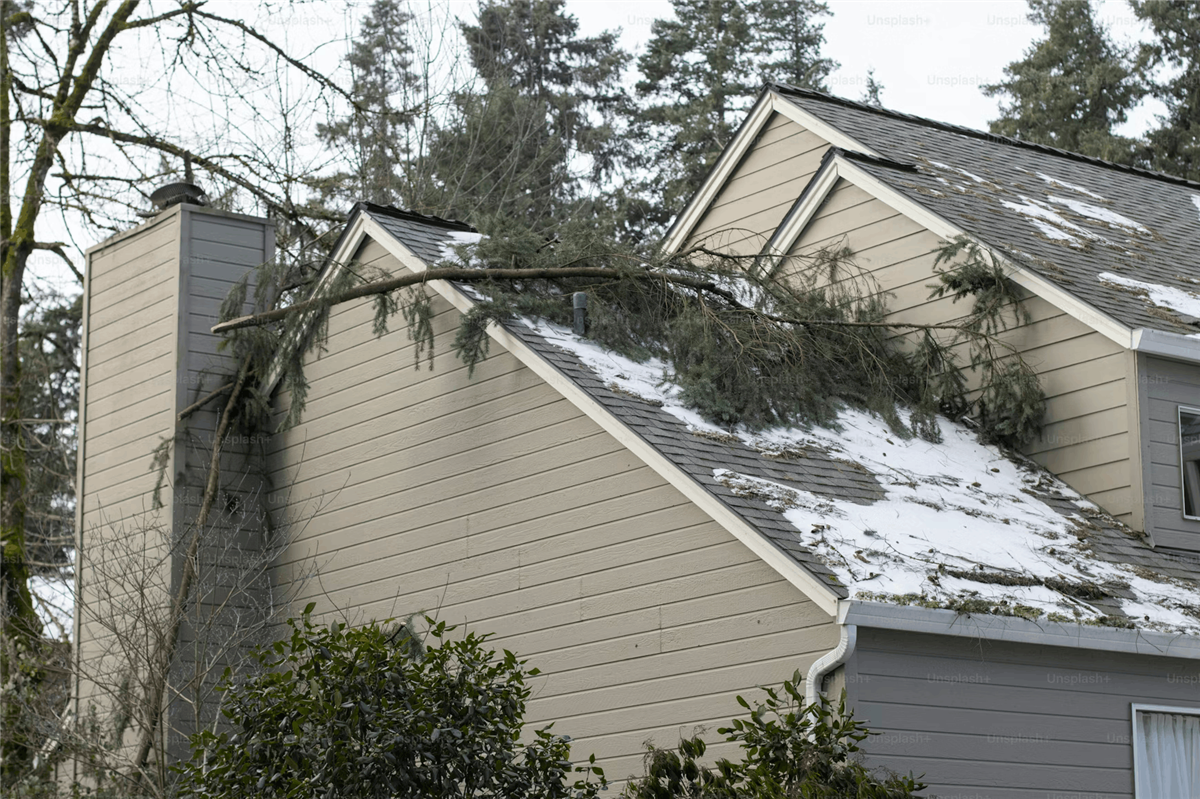
Water damage represents roughly 40% of all commercial property insurance claims, with failing gutters among the leading causes. When drainage systems break down, water doesn't simply vanish-it infiltrates roofing membranes, seeps behind exterior cladding, and penetrates wall cavities. This creates expensive structural problems that remain hidden until the damage becomes severe and costly to repair.
Regular commercial gutter inspection services stop these failures by spotting vulnerabilities before they turn into disasters. A clogged downspout might not seem like an urgent issue, but when heavy rain hits, that blockage forces hundreds of gallons of water against your building's exterior. This pressure creates leaks that damage interior finishes, disrupt tenant operations, and trigger emergency repair bills that far exceed what you'd spend on routine maintenance.
| Catching gutter problems early means avoiding tenant complaints, preserving your building's value, and preventing emergency situations that disrupt operations and strain budgets. |
Property managers deal with distinct challenges when it comes to commercial drainage systems. Commercial installations handle significantly larger water volumes from expansive roof surfaces compared to residential gutters. They often incorporate internal drains and scuppers, and they need to perform reliably across complex building designs. A thorough inspection reveals debris buildup, structural weak points, and drainage issues that can undermine your entire water management approach.
The financial case for inspections is clear-cut. Scheduled assessments cost far less than repairing water-damaged drywall, addressing mold problems, or replacing soaked insulation. You'll also keep tenants satisfied by preventing leaks that damage their spaces and interrupt their business activities. Professional inspection services provide documentation for insurance requirements and help you plan repair budgets accurately instead of scrambling to cover unexpected emergency expenses.
Commercial gutter inspection services serve as your primary defense against water intrusion. The American Society of Home Inspectors maintains professional standards and resources that highlight the importance of systematic property assessments, including the drainage systems that protect your building's structural integrity.
What Commercial Gutter Inspection Services Include
A professional gutter inspection goes beyond just looking at your building from the ground. Qualified inspectors systematically examine every component that keeps water flowing away from your property. Understanding these assessment steps helps you recognize when you're getting thorough service versus a surface-level walkthrough that misses critical problems.
Visual Assessment of Gutter Condition
Inspectors start with a thorough visual examination of your entire gutter system, looking at both the obvious and the hidden elements. They check seam integrity where gutter sections connect, since these joints often separate under stress from thermal expansion and water weight. Surface corrosion, rust spots, and paint deterioration indicate where metal has weakened and may soon fail. Inspectors also examine gutter profiles to spot sagging or deformation that signals structural compromise.
This assessment extends to examining the gutter interior for sediment buildup, organic growth, and standing water between storms. Professionals use ladders, lifts, or even drones to access roofs safely and photograph problem areas for documentation. These images become valuable records that track deterioration over time and support budget requests for necessary repairs.
Checking Fasteners and Mounting Systems
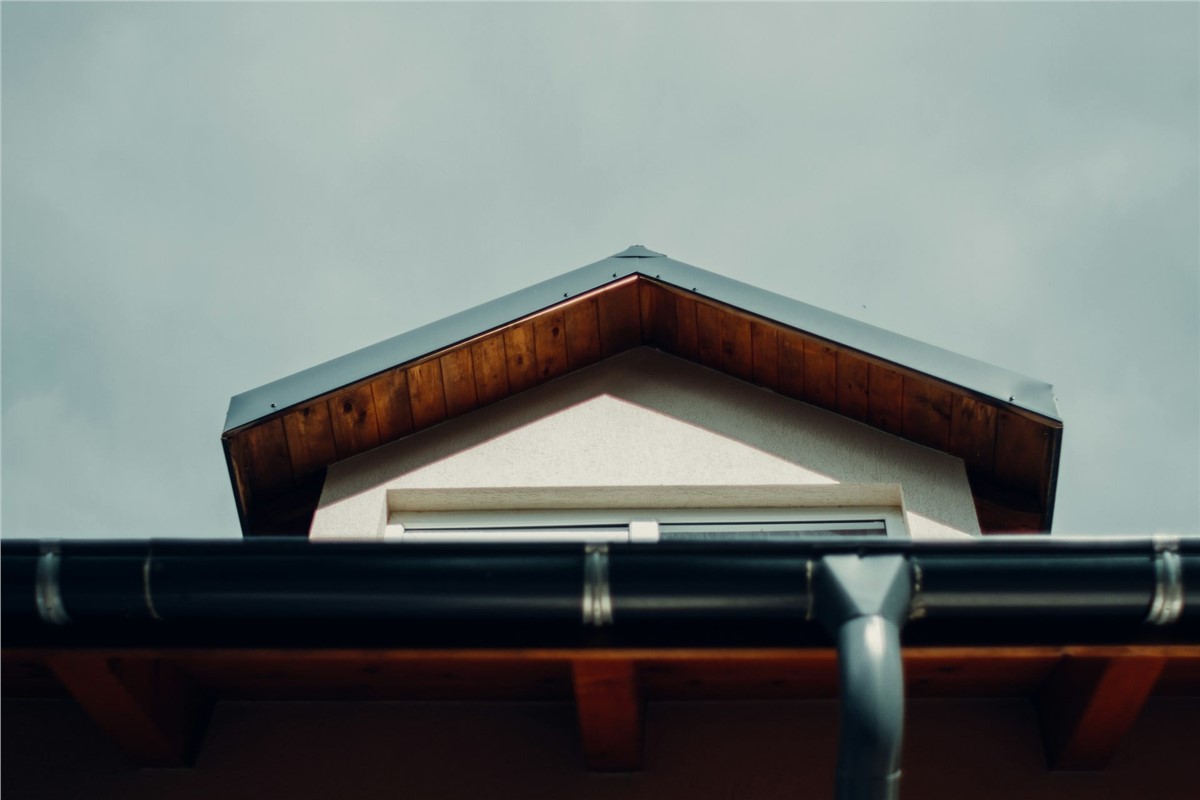
The hardware securing gutters to your building deserves as much attention as the gutters themselves. Inspectors test each bracket, hanger, and spike connection to verify it still holds the system firmly against your fascia board or exterior wall. Loose fasteners allow gutters to pull away from buildings during heavy rain events, creating gaps where water pours directly against your structure instead of flowing through controlled channels.
Commercial properties often use hidden hangers or strap systems that require special attention. Inspectors look for fascia board rot around mounting points, since deteriorated wood can't hold fasteners securely no matter how tight they appear. They also check expansion joints on larger buildings, where thermal movement demands flexible connections that accommodate dimensional changes without causing failures.
| Fastener failure ranks among the most common gutter problems, yet it often goes unnoticed until severe weather exposes the weakness. |
Evaluating Drainage Performance
Testing how water actually moves through your system reveals problems that aren't visible during dry conditions. Inspectors use water to trace flow patterns, checking whether liquid reaches downspouts efficiently or pools in low spots. They measure gutter slope with levels to confirm proper pitch-typically a quarter inch drop per ten feet of run-that keeps water moving toward discharge points.
Downspout functionality receives particular scrutiny. Inspectors verify that underground drain connections work correctly and that water discharges far enough from your foundation to prevent infiltration. They also examine scuppers, overflow outlets, and emergency drains that protect your building when primary systems become overwhelmed during severe weather events.
Key Inspection Components and What They Reveal
Here's what professional inspectors examine during a complete gutter assessment and the specific problems each component can reveal:
| Inspection Component | What Inspectors Examine | Problems Detected |
|---|---|---|
| Gutter Channels | Material condition, seam integrity, corrosion, deformation | Leaks, structural weakness, inadequate capacity |
| Mounting Hardware | Fastener tightness, bracket condition, fascia attachment | System separation, sagging, potential collapse |
| Drainage Flow | Slope accuracy, water movement, discharge points | Standing water, overflow, foundation exposure |
| Downspouts | Interior blockages, connection security, underground drains | Backup, overflow, improper water discharge |
Common Problems Found During Commercial Gutter Inspection Services
Professional inspections uncover consistent patterns of failure across commercial properties, regardless of building type or climate zone. Recognizing these common issues helps you spot warning signs between scheduled assessments and understand why thorough inspections are worth the investment. Each problem carries specific risks that grow exponentially when ignored, transforming simple maintenance tasks into expensive capital projects.
Debris Accumulation and Blockages
Leaves, roof granules, and windblown materials gather in commercial gutter systems year-round. Commercial buildings face unique challenges compared to residential properties-debris doesn't just come from nearby trees. HVAC units, rooftop equipment, and vegetation from blocks away get carried by wind currents and settle into your gutter channels. This material compacts into downspouts, creating dams that prevent water from reaching discharge points.
When blockages form, water backs up and spills over gutter edges during rainstorms. This overflow completely defeats your drainage system, dumping hundreds of gallons directly against exterior walls and your foundation. The backed-up water also adds considerable weight to gutter sections, stressing mounting hardware and accelerating structural failures. Inspectors regularly find organic debris that has broken down into thick sludge, which requires professional cleaning equipment to remove completely.
Structural Damage and Wear
Commercial gutter systems endure constant stress from thermal cycling, water weight, and environmental exposure. Metal gutters develop cracks at seams where sections connect, especially when thermal expansion pushes joints apart during temperature swings. Aluminum and steel installations show corrosion patterns where protective coatings have failed, with rust eating through metal from the inside out where moisture stays trapped against surfaces.
Inspectors frequently discover fascia board deterioration behind gutter installations. Water that escapes through compromised seams or overflows during heavy rain saturates the wood substrate, creating rot that undermines the entire mounting system. The National Roofing Contractors Association provides technical resources that detail how water infiltration compromises building components, emphasizing the importance of maintaining proper drainage to protect structural elements.
| Structural problems compound rapidly-a small crack becomes a major leak, and minor corrosion spreads across entire gutter sections within months. |
Improper Slope and Water Pooling
Gutters must maintain consistent pitch toward downspouts to function correctly. Settlement, mounting hardware failures, and installation errors create sections where water stands instead of flowing. These low spots become breeding grounds for mosquitoes, accelerate corrosion, and overflow during even moderate rainfall. Inspectors use precision levels to measure slope deviations that aren't obvious to the casual observer but critically impair drainage performance.
Standing water also signals undersized gutter systems that can't handle your roof's runoff volume. Buildings with large roof areas or steep pitches generate more water than standard residential calculations predict. When commercial gutter inspection services identify pooling issues, they're revealing either installation defects that need correction or capacity problems requiring system upgrades to handle actual water loads.
How to Choose the Right Partner for Your Property
Selecting a qualified provider for commercial gutter inspection services requires more than just comparing price quotes. The wrong choice leads to missed problems, incomplete assessments, and repair recommendations that don't address root causes. Property managers need partners who understand commercial building systems, carry proper credentials, and deliver documentation that supports your asset management responsibilities.
Verify Commercial Experience and Technical Capabilities
Commercial drainage systems differ fundamentally from residential installations in scale, complexity, and performance requirements. Your inspection provider should demonstrate extensive experience with buildings similar to yours-office complexes, retail centers, multi-family properties, or industrial facilities. Ask about their familiarity with internal drains, scupper systems, and the specific gutter configurations common in commercial construction.
Technical capabilities matter just as much as experience. Providers should use appropriate access equipment-lifts, scaffolding, or drone technology-to reach all areas safely without damaging your property. They need moisture meters to detect hidden water infiltration, levels to measure slope accuracy, and cameras to document conditions thoroughly. Companies that rely solely on ground-level observations miss critical problems developing on upper floors or in hard-to-access areas.
Insurance, Licensing, and Safety Protocols
Commercial work involves significant liability exposure. Your inspection provider must carry general liability insurance and workers' compensation coverage that protects your property from claims if accidents occur. Request certificates of insurance directly from their carrier, not just photocopies they provide. Verify that coverage amounts align with your property's value and your management company's requirements.
Safety protocols reveal how seriously a company approaches professional standards. The Occupational Safety and Health Administration establishes construction safety requirements that apply to commercial inspection work. Qualified providers follow fall protection standards, use proper personal protective equipment, and maintain documented safety training programs for their teams.
| A provider's insurance coverage and safety practices protect your property from liability while indicating their commitment to professional service delivery. |
Comprehensive Reporting and Maintenance Planning
Inspection reports should provide actionable information, not just generic observations. Quality providers deliver detailed documentation with photographs, specific problem locations, severity assessments, and prioritized repair recommendations. This level of detail helps you budget accurately and make informed decisions about addressing issues immediately versus scheduling work for later.
The best commercial partners offer integrated maintenance programs that extend beyond one-time inspections. At NV Roofing, our commercial services include thorough gutter assessments as part of broader asset management support. We examine your entire drainage system within the context of your roof, exterior walls, and overall water management strategy. Our approach identifies how gutter performance affects other building components and helps you plan maintenance that protects your investment long-term. When you need reliable partnership that goes beyond surface-level inspections, contact us to discuss how we can support your property's specific requirements.
Evaluation Criteria for Commercial Gutter Inspection Providers
Use this comparison table to evaluate potential inspection partners and identify which companies meet professional standards versus those that fall short:
| Selection Factor | What to Look For | Red Flags to Avoid |
|---|---|---|
| Experience Level | Documented commercial projects, building type expertise, system knowledge | Primarily residential focus, vague project descriptions, generic claims |
| Insurance Coverage | Current certificates, adequate liability limits, workers' compensation | Expired policies, insufficient coverage amounts, no verification available |
| Inspection Equipment | Professional access tools, diagnostic instruments, documentation cameras | Ground-level only assessments, no measurement tools, smartphone photos |
| Reporting Quality | Detailed findings, specific locations, prioritized recommendations, cost estimates | Generic observations, missing photos, vague problem descriptions, no action plan |
Conclusion: Protecting Your Commercial Asset
Your commercial property's gutter system needs the same level of attention you give to roofing, HVAC, and other essential infrastructure. Regular professional inspections stop water damage that puts tenant satisfaction, operational continuity, and your financial performance at risk. Partnering with qualified providers who understand commercial building systems gives you documentation that supports insurance requirements, accurate budget forecasting, and strategic maintenance planning. The gap between reactive emergency repairs and predictable asset management depends on understanding what's happening with your drainage systems before problems grow worse. Take time to evaluate potential inspection partners, focus on experience and documentation quality, and build relationships with contractors who treat your success as their own responsibility.
FAQs
What is a commercial inspection for gutters?
A commercial inspection examines your building's entire drainage system, including gutter channels, downspouts, mounting hardware, and water flow patterns to identify problems before they cause expensive damage. Professional inspectors use specialized equipment to access all areas and provide detailed documentation of their findings.
How often should commercial gutters be inspected?
Most commercial properties benefit from professional gutter inspections at least twice annually—typically in spring and fall—though buildings surrounded by trees or in harsh climates may require quarterly assessments. High-traffic retail centers and multi-tenant facilities should inspect more frequently to prevent tenant disruptions from water damage.
What's the difference between commercial and residential gutter inspections?
Commercial gutter inspection services address significantly larger systems that handle greater water volumes, incorporate internal drains and scuppers, and require specialized access equipment for multi-story buildings. Residential inspections typically focus on simpler systems with straightforward configurations and easier ground-level or ladder access.
Can I inspect commercial gutters myself or do I need a professional?
While property managers can spot obvious problems like overflowing gutters, professional inspectors have the equipment, training, and liability coverage to safely access roofs and identify hidden issues like fascia rot, improper slope, and structural weakness. Self-inspections miss critical problems that only become apparent with specialized diagnostic tools and commercial building expertise.
How much does a commercial gutter inspection typically cost?
Commercial gutter inspection services generally range from $200 to $800 depending on building size, system complexity, and accessibility requirements, though this investment prevents far costlier emergency repairs that can reach thousands of dollars. Many contractors offer discounted inspections when bundled with regular maintenance programs or other building services.
Subscribe to NV Roofing's Blog