Your siding protects your home and defines its curb appeal. The choice between vertical vs horizontal siding affects more than looks-it changes installation costs, water drainage patterns, and how proportions appear from the street. Horizontal siding dominates residential construction, but vertical options offer real advantages in specific climates and architectural styles.
This guide covers material compatibility, weather performance, cost differences, and design fit. Each orientation handles moisture differently, requires distinct installation methods, and works better with certain home styles. Understanding these practical differences helps you choose based on your budget, climate, and long-term maintenance expectations rather than aesthetics alone.
Understanding the Key Differences Between Siding Orientations
The direction you choose for your siding boards creates distinct structural and performance characteristics that affect everything from installation to long-term durability. Horizontal boards span from side to side across your home's exterior, while vertical boards run from foundation to roofline. These orientations differ in how they attach to your home's structure, which materials pair best with each style, and how effectively they handle water exposure over time.
How Siding Orientation Affects Installation
Horizontal siding attaches directly to vertical wall studs or sheathing, which makes installation straightforward because the studs run perpendicular to the boards. Installers nail through each plank directly into these structural supports every 16 or 24 inches, depending on your home's framing. This direct approach reduces labor time and minimizes material waste, making it the default choice for most residential projects.
Vertical siding requires horizontal blocking or furring strips between studs to create proper nailing surfaces throughout the wall. Without these additional supports, you'd only have secure attachment points at the top and bottom plates, which wouldn't provide adequate support for the full height of your boards. Adding this blocking increases both material costs and installation time. Expect some installers to charge 15-20% more for vertical installations because of this extra framing work and the precision required to keep lines perfectly plumb across tall walls.
Material Compatibility with Each Style
Both orientations work with most siding materials, but certain products perform better in specific directions based on their design and engineering. Board-and-batten naturally suits vertical installation, while clapboard and lap siding default to horizontal runs. Fiber cement, vinyl, and engineered wood like ACRE composite siding adapt to either orientation, though manufacturers often design their profiles with one direction in mind for optimal performance.
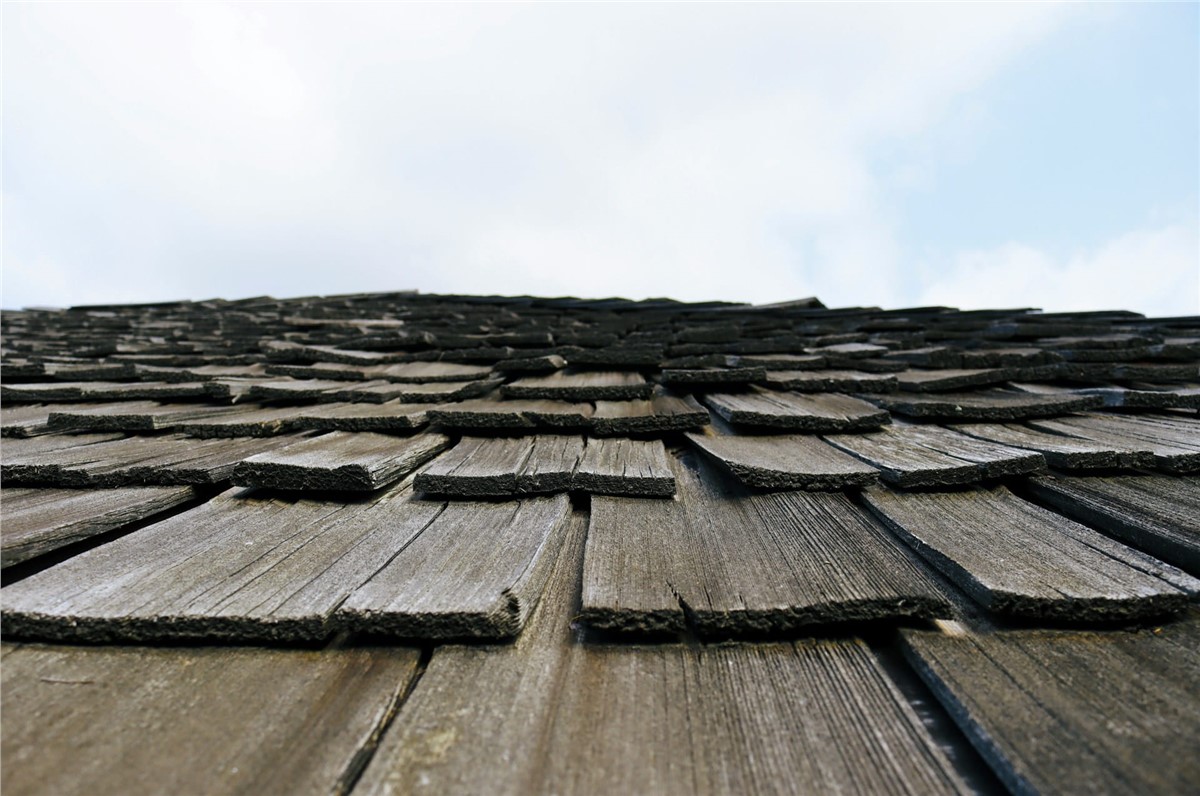
Metal panels and standing seam systems almost always run vertically because their interlocking seams create watertight channels that work with gravity. Traditional wood shingles and shakes typically install horizontally in overlapping courses, though you'll occasionally see vertical applications in accent walls or gable ends where aesthetics take priority.
| Choosing vertical vs horizontal siding starts with understanding your wall structure-horizontal boards work with standard framing, while vertical installations need added blocking for proper support. |
Water Drainage and Weather Performance
Horizontal siding creates numerous ledges where each board overlaps the one below. Water flows down these stepped surfaces, but the overlaps can trap moisture if gaps develop or caulking fails over time. Wind-driven rain sometimes forces water upward beneath these overlaps, especially during severe storms. This makes proper flashing and drainage planes behind the siding absolutely critical for preventing water infiltration and rot.
Vertical installations shed water more directly because gravity pulls moisture straight down the board faces without crossing as many seams. This reduces the number of potential entry points where water could penetrate your home's envelope. However, the horizontal seams at top and bottom require careful detailing and proper head flashing. Any water that does penetrate can travel sideways along the furring strips if your weather barrier isn't properly sealed, potentially causing damage that's harder to detect until it becomes serious.
Comparing Costs, Durability, and Maintenance
When you're budgeting for new siding, the sticker price tells only part of the story. The real cost includes installation labor, how long the siding will last, and what you'll need to do to keep it looking good. These expenses shift considerably between vertical vs horizontal siding, and getting clear on these differences helps you make a choice that fits both your budget and your willingness to handle ongoing upkeep.
Installation Labor and Material Expenses
Horizontal siding usually costs less to install because it works directly with your home's standard wall framing. You can expect labor rates between $3 and $8 per square foot, depending on which material you choose and where you live. Vinyl horizontal siding sits at the lower end of that range, while fiber cement options like James Hardie cost more upfront but pay you back with better longevity.
Vertical installations need extra furring strips or blocking between the wall studs, which means more materials and more hours on the job. According to Angi's 2025 wood siding data, going vertical can push your total project cost up by 15-25% compared to horizontal installation of the same material. That premium covers the additional prep work, the extra care needed to keep everything plumb across tall walls, and the material waste that comes from cutting boards to fit between blocking points.
Your material choice affects these cost differences too. Board-and-batten naturally goes on vertically and doesn't have a horizontal equivalent, so there's no premium to worry about. Metal panels designed for vertical mounting typically cost about the same regardless of how you orient them, since their design already accounts for the installation method. Sheet materials like plywood siding work either way without much price difference in the material itself, though you'll still see labor costs vary based on which direction you choose.
Cost Comparison by Siding Type and Orientation
Here's how costs break down across different materials when you compare horizontal versus vertical installation:
Siding Material | Horizontal Cost Range | Vertical Cost Range | Cost Difference |
|---|---|---|---|
| Vinyl | $3-$7 per sq ft | $4-$9 per sq ft | 15-20% higher |
| Fiber Cement | $8-$13 per sq ft | $10-$16 per sq ft | 20-25% higher |
| Wood (Cedar) | $8-$12 per sq ft | $9-$14 per sq ft | 10-15% higher |
| Metal Panels | N/A (rarely used) | $9-$15 per sq ft | Standard orientation |
Long-Term Durability Considerations
Both orientations will last for decades when installed correctly, but they handle stress differently over time. Horizontal siding faces more exposure to standing water on each overlapping ledge, which speeds up wear in materials that don't handle moisture well. Paint starts to fail most often at these horizontal seams, where water lingers before it evaporates.
Vertical boards let water run off faster thanks to gravity, which means less time for moisture to sit on the surface. This gives wood and composite materials a real advantage since they tend to absorb water. The trade-off is that vertical installations put more stress on fewer attachment points-boards span longer distances between blocking strips. Wind can gradually loosen these fasteners if your installer didn't use the right fastening pattern.
| Vertical siding's faster water drainage reduces moisture-related deterioration, but proper fastening becomes critical since boards span longer distances between structural supports. |
Maintenance Requirements for Each Orientation
Horizontal siding needs regular checks of all lap seams and caulked joints-these spots carry the highest risk for water getting in. Plan to clean debris from horizontal ledges every year to prevent trapped moisture and mold growth. Whether you're repainting or restaining, the schedule stays roughly the same regardless of orientation: every 7-10 years for wood, with longer intervals for prefinished materials.
Vertical installations don't collect as much debris since dirt and leaves don't settle on vertical surfaces the way they do on horizontal ones. Put your maintenance focus on the top and bottom trim areas where horizontal elements meet your vertical boards. Check your fasteners regularly, especially after big storms, since each one carries more weight than in horizontal applications. Composite products like James Hardie fiber cement make this easier across both orientations-their factory-applied finishes resist fading and moisture damage much longer than paint or stain you'd apply yourself on traditional wood.
Design Flexibility and Architectural Impact
Beyond the practical side of performance and longevity, your siding orientation fundamentally changes how your home presents itself from the curb. The direction you choose for your boards can make a house look taller or wider, work beautifully with existing architectural details, and either fit comfortably within your neighborhood or stand out as something special. These visual considerations carry just as much weight as durability when you're committing to a significant investment in your home's exterior.
Visual Effects on Building Height and Width
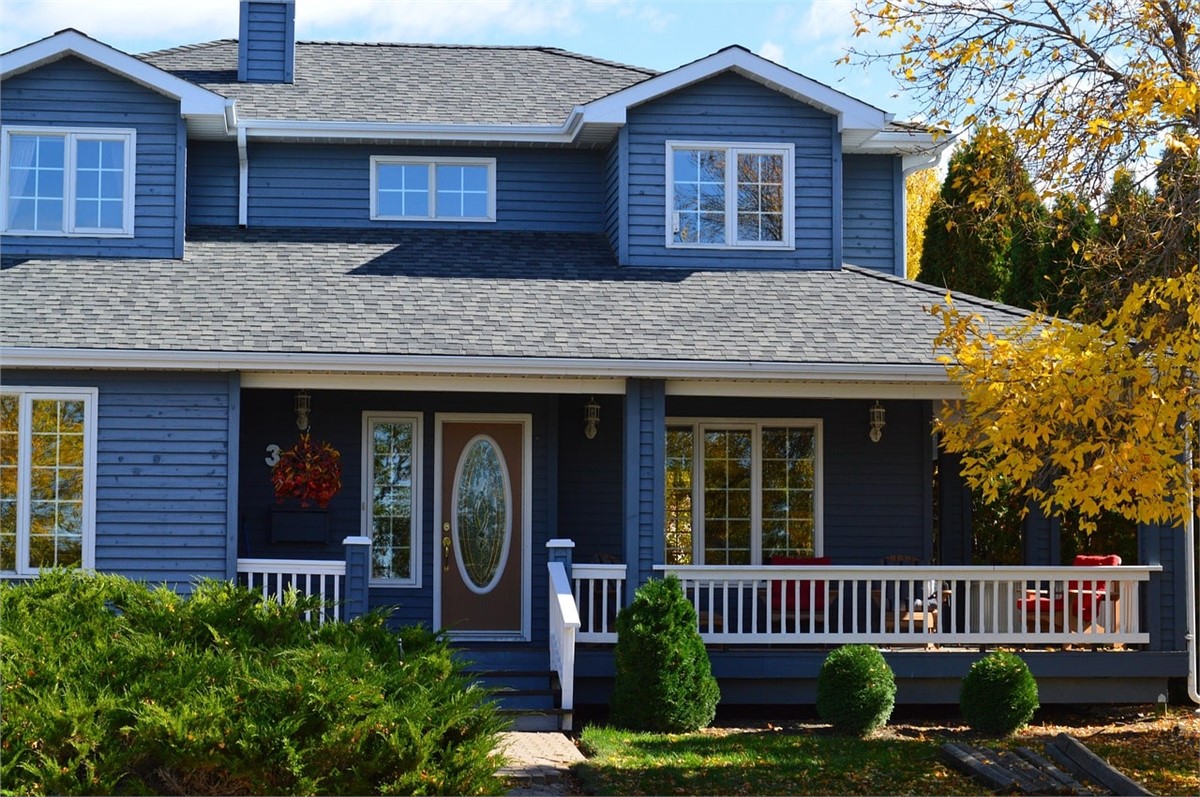
Horizontal lines guide the eye from side to side, which makes your home appear wider and more grounded. This effect works particularly well for ranch-style homes or any property where you want to emphasize breadth over height. Single-story homes gain visual weight and presence from this widening effect, which prevents them from looking too compressed or diminutive.
Vertical boards have the opposite impact-they guide your eye upward, creating the impression of additional height. Two-story homes with vertical siding appear taller and more commanding, which is why board-and-batten shows up frequently on farmhouses and Colonial revivals where that upward emphasis complements the overall design. If you're working with a narrow lot or a home that sits close to neighboring properties, vertical orientation provides visual relief by directing attention skyward instead of highlighting how close the walls are to property lines.
These differences aren't minor. The same 1,800-square-foot Cape Cod can present as two entirely different houses depending on whether the boards run horizontally or vertically. Selecting the wrong orientation for your home's proportions can exaggerate a tall, narrow house into something tower-like, or flatten a low, spreading ranch until it seems to disappear into the ground.
Matching Siding Style to Home Architecture
Traditional architectural styles evolved their own siding conventions over generations, and following those established patterns typically produces the most unified results. Craftsman bungalows generally feature horizontal lap siding or shingles, sometimes incorporating board-and-batten accents in gable ends. Colonial homes maintain horizontal clapboard to complement their symmetrical, classical proportions. Contemporary and farmhouse designs frequently adopt vertical board-and-batten as a defining characteristic-this style has become so strongly linked with rustic-modern aesthetics that it communicates a specific design philosophy before you notice anything else about the house.
Mid-century homes often showcase horizontal materials like cedar planks or fiber cement panels that reinforce their low, horizontal profiles. Tudor and Victorian styles freely combine materials and orientations, using decorative patterns and accent panels to build visual complexity. When your home already carries a distinct architectural identity, aligning your siding orientation with historical patterns keeps everything feeling purposeful rather than disconnected.
| Your home's architectural style carries built-in expectations about siding direction-horizontal for traditional designs, vertical for rustic or contemporary aesthetics. |
Combining Vertical vs Horizontal Siding for Custom Looks
You don't have to commit to just one orientation. Mixing vertical and horizontal siding builds visual interest by dividing up large wall surfaces and calling attention to specific architectural features. This strategy needs thoughtful planning to prevent a disjointed appearance, but when executed well, it delivers a customized look that sets your home apart from standard installations.
Here's how to successfully combine both orientations:
Establish your primary orientation first: Choose horizontal or vertical as your dominant direction for most wall surfaces, then use the opposite orientation as an accent rather than dividing things evenly.
Use vertical sections to highlight specific areas: Apply vertical boards to gable ends, around entryways, or on chimney surrounds to draw attention to these features while keeping main walls horizontal.
Create clear transition lines: Use trim boards, color changes, or architectural breaks like roof lines to separate different orientations so the change feels deliberate rather than accidental.
Match materials across both orientations: Stick with the same product line and finish for both directions-mixing vinyl horizontal siding with wood vertical accents often looks disconnected unless you're pursuing a very particular rustic aesthetic.
Consider symmetry in your layout: If you add vertical accents on one side of your entrance, mirror them on the other side to preserve visual balance.
This approach gives you the flexibility to create a distinctive exterior while maintaining the unified appearance that makes homes look professionally designed rather than randomly assembled.
Choosing the Right Siding for Your Home
The choice between vertical and horizontal siding isn't just about aesthetics. It's about matching your home's specific needs with the practical strengths of each approach. Your local weather patterns determine how much moisture management matters. Your home's architectural style suggests which direction looks most harmonious. And your long-term maintenance plans help you weigh upfront costs against lasting value. Making the right choice means considering these factors together instead of fixating on just one element.
Climate and Weather Factors to Consider
Regional weather patterns should play a major role in your siding orientation decision. Homes in the Pacific Northwest, Northern Virginia, Maryland, and other areas that see frequent rain stand to benefit from vertical siding's superior water drainage. When moisture runs straight down the boards without collecting on horizontal ledges, you significantly reduce the risk of water penetrating behind your siding envelope during extended wet periods.
Wind-driven rain creates particular challenges for horizontal installations. Strong storms can force water upward beneath lap joints, especially on walls that face prevailing winds. Vertical boards eliminate these upward-facing seams, though you'll need excellent flashing at top and bottom transitions to prevent lateral water movement along furring strips.
Regions with significant temperature swings require materials that can expand and contract without creating noticeable gaps. Both orientations handle thermal movement, but horizontal boards tend to show seasonal gaps more obviously at end joints. Vertical installations distribute this movement across fewer visible seams if your walls are relatively narrow.
Climate Considerations for Siding Orientation
This comparison shows how each siding orientation performs under different climate conditions and which choice typically works best:
Climate Condition | Horizontal Performance | Vertical Performance | Best Choice |
|---|---|---|---|
| | | Vertical Performance | Best Choice |
| Heavy rainfall regions | Creates water-catching ledges at each overlap | Direct drainage with fewer moisture traps | Vertical |
| High wind exposure | Vulnerable to uplift at laps during storms | Requires robust fastening to prevent loosening | Either with proper installation |
| Extreme temperature variation | End joints may gap seasonally | Fewer visible horizontal seams to gap | Vertical |
| Moderate four-season climates | Proven track record across decades | Works well with proper detailing | Either based on design preference |
When to Choose Horizontal Siding
Horizontal siding makes the most sense when you're working within a standard budget and your home follows traditional architectural patterns. Ranch homes, Cape Cods, and Colonial designs all look natural with horizontal boards because that's how these styles evolved historically. Installation costs less because your contractor doesn't need to add blocking between studs, and you'll find more contractors experienced with this standard approach.
If your house sits low and wide on the lot, horizontal lines reinforce those proportions in a way that feels balanced. Single-story homes particularly benefit from this widening effect, which prevents them from appearing compressed. Neighborhoods with consistent horizontal siding also create visual expectations-choosing vertical might make your home stand out when you'd prefer it to blend with surrounding properties.
Horizontal installations also offer the widest material selection. Every siding manufacturer designs their primary product lines for horizontal application, giving you more colors, textures, and price points compared to vertical options.
When Vertical Siding Makes More Sense
Vertical orientation works particularly well on two-story homes where you want to emphasize height, especially on farmhouse and contemporary designs where board-and-batten has become a defining characteristic. Tall, narrow walls on homes with limited lot width benefit from upward visual movement that draws attention away from how close neighboring structures sit.
Properties in consistently wet climates should seriously consider vertical installations for their drainage advantages. The reduced number of horizontal seams means fewer opportunities for trapped moisture, which extends the lifespan of water-sensitive materials like wood and certain composites. This benefit becomes especially valuable on walls that rarely see direct sun, where moisture lingers longer after rain events.
Vertical siding also works well when you want to create a distinct visual identity that separates your home from typical residential construction. The less common orientation immediately signals a custom approach, which resonates with homeowners pursuing a specific design vision rather than conventional aesthetics.
| Homeowners who understand their roof's structure save an Vertical siding delivers the strongest advantages in wet climates and on tall homes where upward visual emphasis complements the architecture.of 15-20% on repairs by accurately identifying problems and avoiding unnecessary work. |
Professional Installation and Material Selection
Regardless of which direction you choose, proper installation determines whether your siding performs as designed. Horizontal boards need continuous support from your wall sheathing and proper flashing above all penetrations. Vertical installations require experienced crews who understand how to install blocking at correct spacing and maintain plumb lines across full wall heights.
Material selection matters just as much as orientation. James Hardie fiber cement works exceptionally well in both directions, offering factory-finished durability that outlasts paint you'd apply to wood siding. The material resists moisture absorption, won't rot or crack, and maintains its appearance far longer than alternatives. Vinyl provides an economical choice for either orientation, though it shows expansion and contraction more noticeably than fiber cement. Wood delivers unmatched natural beauty but demands regular maintenance regardless of how you orient the boards.
At NV Roofing, we've installed siding on homes throughout Northern Virginia, Maryland, and Washington, D.C. for over 60 years. Our crews understand how both vertical and horizontal installations perform in this region's climate, and we guide homeowners through material selection based on their specific home design, budget, and maintenance preferences. We handle everything from initial assessment through final installation, using premium materials like James Hardie fiber cement backed by strong manufacturer warranties and our own workmanship guarantee.
If you're considering new siding and want expert guidance on whether vertical or horizontal siding fits your home best, contact us for a detailed assessment and transparent pricing.
Making Your Final Decision
Your siding choice affects your home's protection, appearance, and maintenance demands for decades. Horizontal installations deliver proven performance at lower costs, while vertical orientations work well in wet climates and complement specific architectural styles. Neither option is universally superior-the right answer depends on your home's design, your regional weather patterns, and how much you're willing to invest upfront versus ongoing upkeep.
Start by evaluating your home's proportions and existing architectural features. Factor in your local climate's moisture levels and wind exposure. Then match these practical requirements with materials that fit your budget and maintenance expectations. Experienced contractors who understand both installation methods will help ensure you get lasting performance regardless of which direction your boards run.
FAQs
Does vertical vs horizontal siding affect my home's resale value?
Siding orientation itself doesn't directly impact resale value, but choosing the wrong style for your home's architecture or neighborhood can make it harder to sell. Homes that align with their architectural style and blend well with surrounding properties typically attract more buyers and command better prices.
What is the life expectancy of fiber cement siding?
Fiber cement siding typically lasts 30-50 years with minimal maintenance, significantly outlasting vinyl (20-30 years) and wood (15-30 years depending on upkeep). The factory-applied finishes on premium fiber cement products resist fading and moisture damage far longer than field-applied paint or stain.
Can I install vertical or horizontal siding myself to save money?
While DIY installation is technically possible, siding requires precise installation techniques to prevent water infiltration and structural issues that can cost far more to repair than professional installation would have cost initially. Vertical installations are particularly challenging since they require proper blocking installation and maintaining plumb lines across full wall heights, making professional installation even more critical.
How much does it cost to replace siding on an average-sized house?
Siding replacement for a typical 2,000-square-foot home ranges from $8,000-$30,000 depending on material choice, with vinyl at the lower end and fiber cement or wood at the higher end. Vertical installations add 15-25% to these costs due to additional labor and materials needed for proper blocking and installation.
What are the main disadvantages of choosing vertical siding over horizontal?
Vertical siding costs 15-25% more to install due to required blocking between studs, and fewer contractors have extensive experience with this less common orientation. The longer spans between attachment points also demand more careful fastening to prevent wind damage, and any water that penetrates can travel laterally along furring strips if weather barriers aren't properly sealed.
Subscribe to NV Roofing's Blog